Local detail
Checking It Yourself
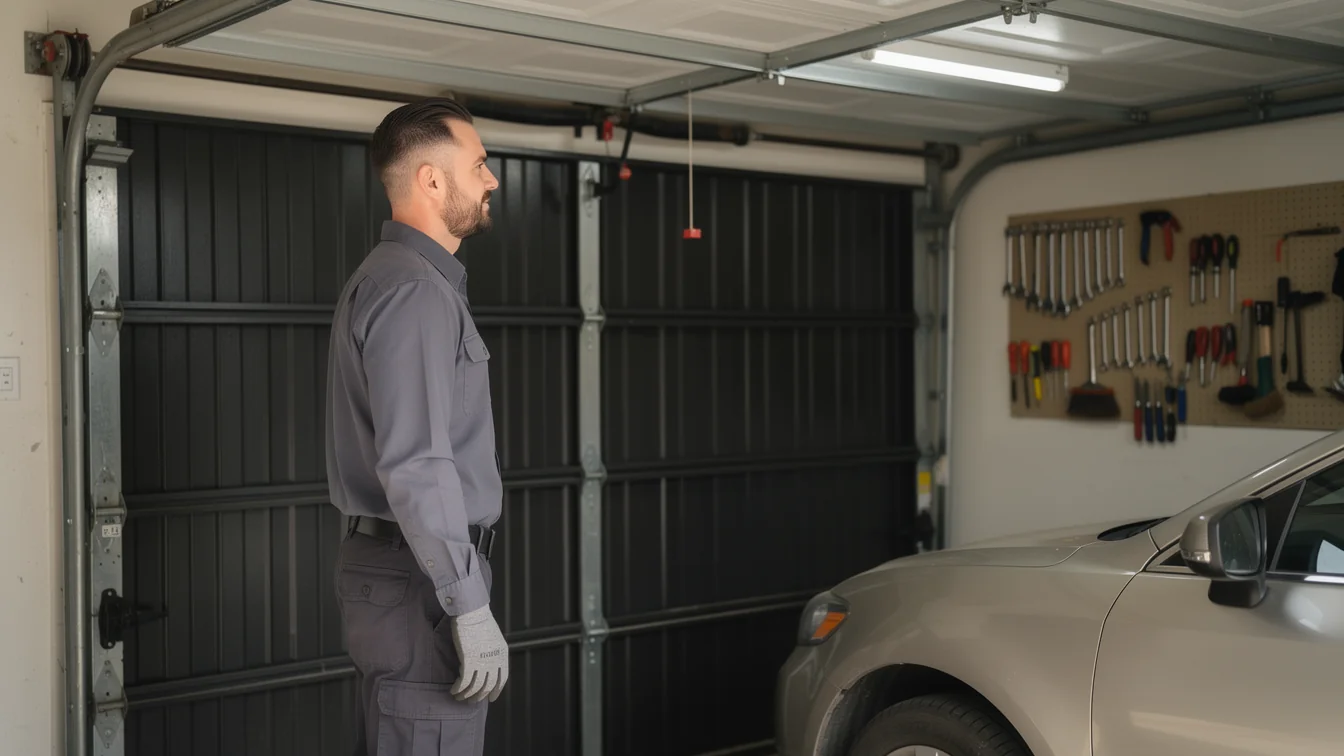
Most garages in this area went up between 1975 and 2012, with the bulk of that stock dating to the 2000s. That matters because doors from this era were built to a different insulation standard than what came before, and the hardware specs shifted along with it. Start by looking at the bottom seal - on a 2000s-era door it should still be a continuous rubber gasket, not cracked or pulling away from the track. Check the torsion spring for rust at the coil ends, since a spring that's flexed through fifteen or twenty cold winters is closer to the end of its cycle count than one that's five years old. Run your hand along the track bolts and tighten anything loose; houses built on newer slab and frame construction in this area tend to have less settling than older framing, but vibration still works bolts loose over a couple decades. Open the door by hand with the opener disconnected and see if it moves smoothly on its own weight. If it drops fast or won't stay halfway, the spring is losing tension and that's not a DIY fix - a wound torsion spring under load can take a finger off. That one you call someone for.
The area
How Local Conditions Play In
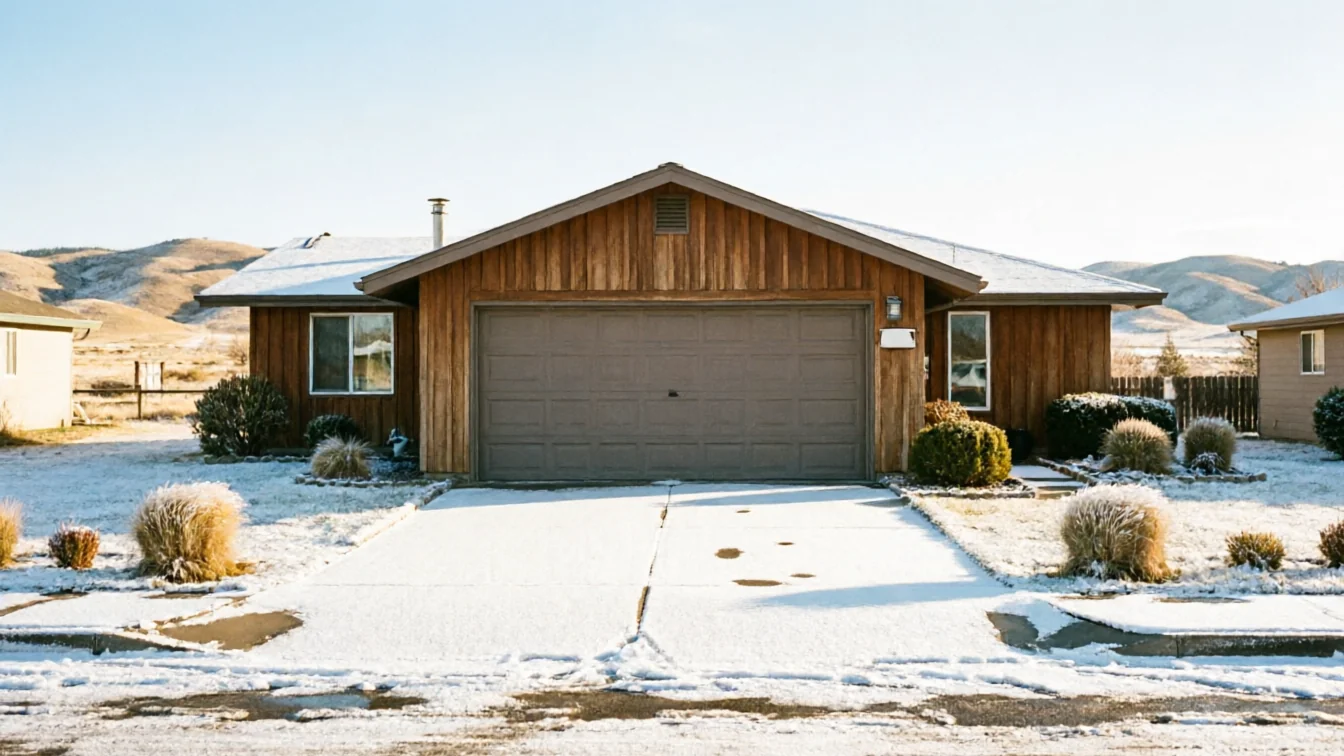
This area sits in a severe cold climate band, and that shapes what fails first on a garage door here more than anything about the house itself. Steel panels contract in the cold, which opens up small gaps at the weatherstrip that didn't exist in August. Nylon rollers get brittle and start chipping at the edges once overnight lows stay below freezing for weeks at a stretch. Openers with older gear-drive motors also pull harder on a cold start, which is part of why a door that worked fine in September starts straining by January. None of this is specific to one house - it's specific to a climate where the swing between a summer afternoon and a winter morning is enormous. A door built for the 2000s-era energy code handles that swing better than one built before insulation requirements existed, but even an insulated door needs its seals checked every fall, not just when something breaks.
What we find
The Problem
The service area runs about 39,600 households, with roughly 27,900 of those in owner-occupied houses - meaning most of the doors we're talking about belong to people who plan to be in the house long enough to care about a real fix instead of a patch. Median household income here sits around $105,000, which is relevant mainly because it means most owners can choose between repair and replacement rather than being forced into the cheapest option. The honest limitation: if your door and opener both date to the earlier end of that 1975 build-out and neither has been serviced, a spring repair on a door with a worn track and an opener pulling at the end of its life is often money spent twice. We'll tell you when a door's not worth fixing rather than selling you a spring job that props up a door you'll replace next year anyway.
How we work
The Seasonal Bit
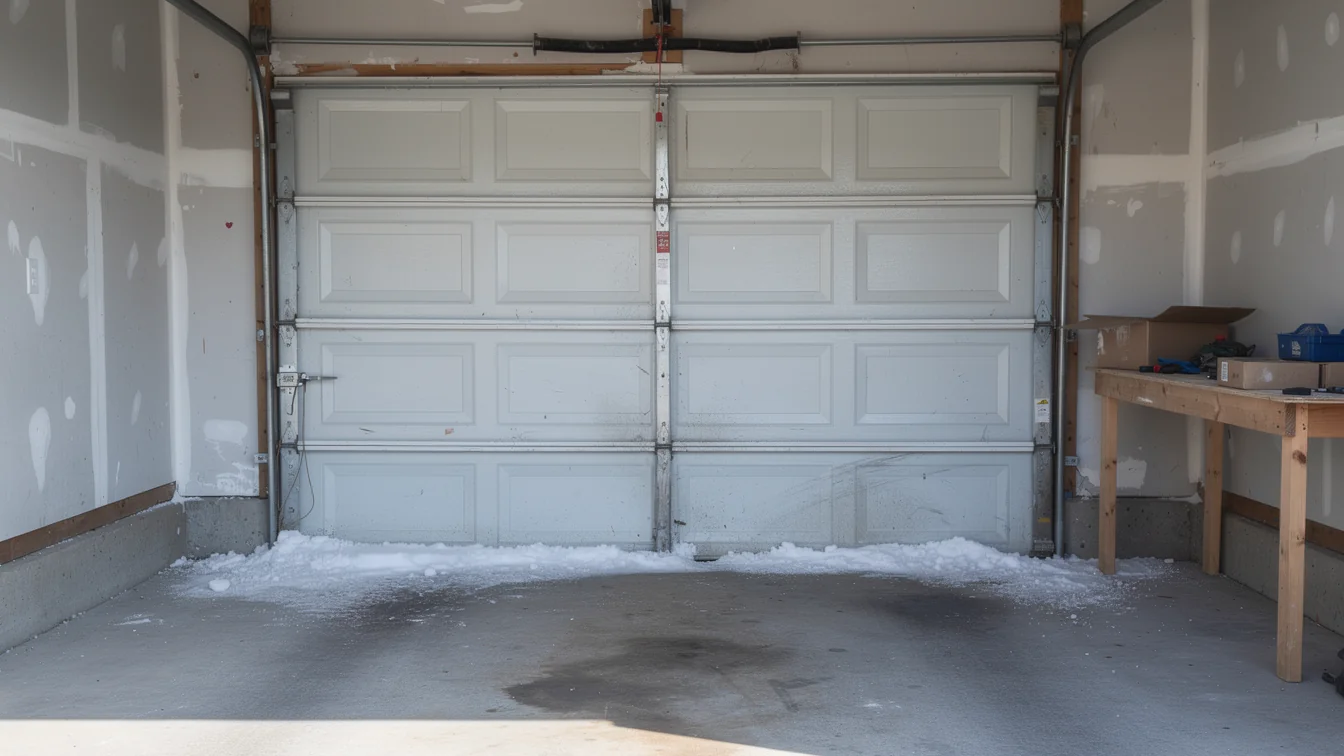
Fall is the window to deal with weatherstripping and lubrication before the cold sets hard, because a track that's gummed up with old grease in October gets stiff and noisy by December in a climate this severe. Spring brings the opposite problem: the freeze-thaw cycle can shift a concrete apron slightly, which throws off a door's alignment at the bottom corners even when nothing else changed. If you're in one of the 2000s-built subdivisions, the insulated doors handle the swing better, but the springs still see the same temperature stress as everything else on the house. Houses on the older end of the 1975-2012 range, without the newer insulation standard, tend to show gaps at the corners first - that's the tell that the door predates the energy code upgrades this area's newer stock was built to.
Talk to a local pro
Garage door trouble in Fort Collins?
Same-day service with honest, upfront quotes.