Local detail
Checking It Yourself
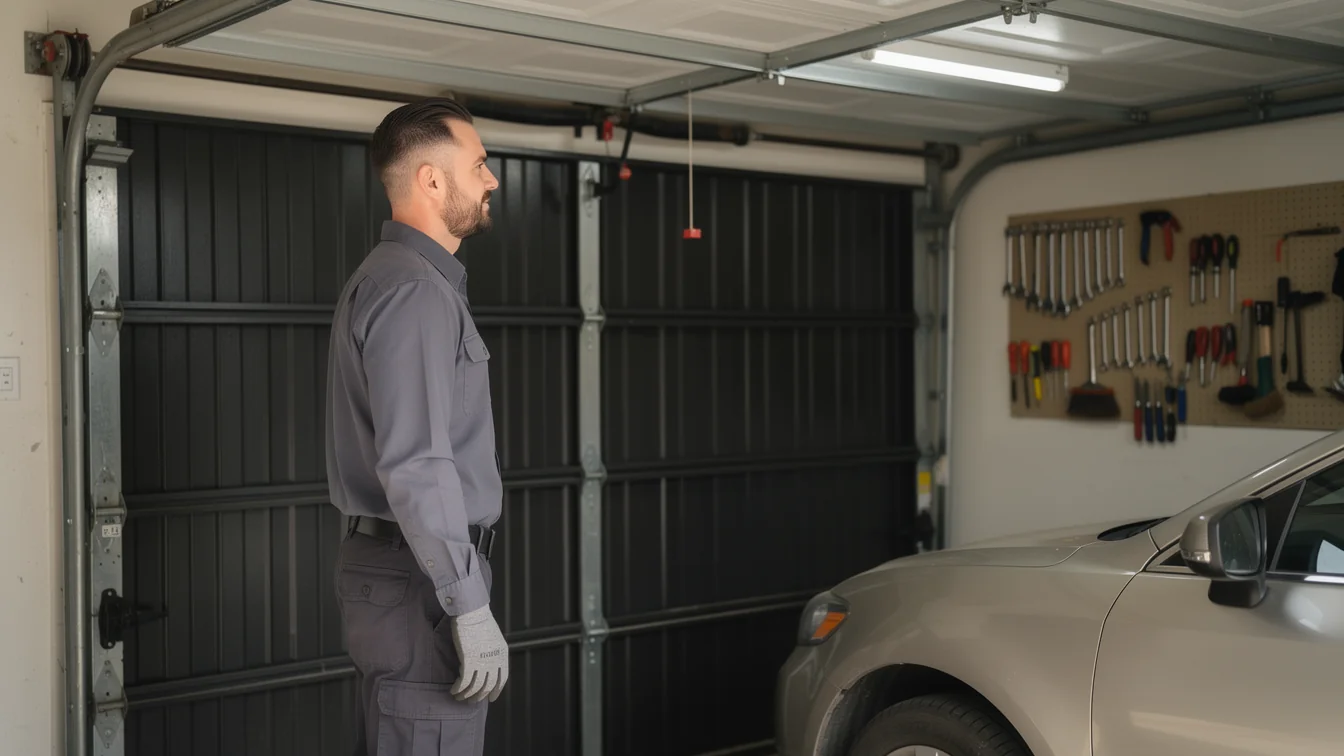
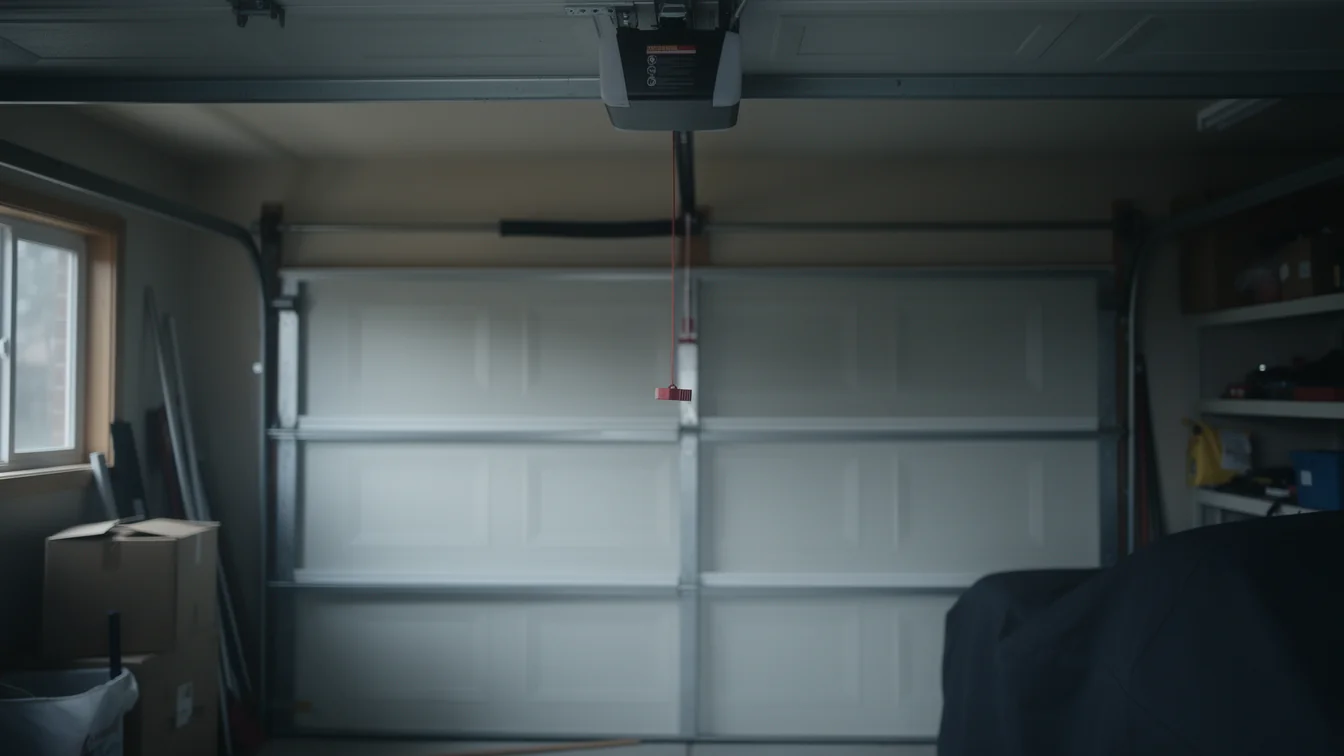
Before you call anyone, pull the cord on the manual release and see how heavy the door feels by hand. That tells you a lot. If it's hard to lift even with no opener resistance, the springs are carrying less load than they should, and that's a separate job from the opener itself.
Look at the opener head for a small battery pack or a light labeled "battery backup." Most of the housing stock in this service area went up between 1975 and 2012, with the heaviest build-out in the 2000s. If your house is on the older end of that range, there's a real chance the original opener predates battery backup being a standard feature, which matters a lot once the power goes out.
Check the travel limits too - if the door reverses before it's fully down or stalls partway up, that's often a sign the opener motor is aging out, not a wiring problem. And listen for grinding on the chain or belt; cold grease thickens and makes worn gears noisier than they'd sound in July.
The area
How Local Conditions Play In
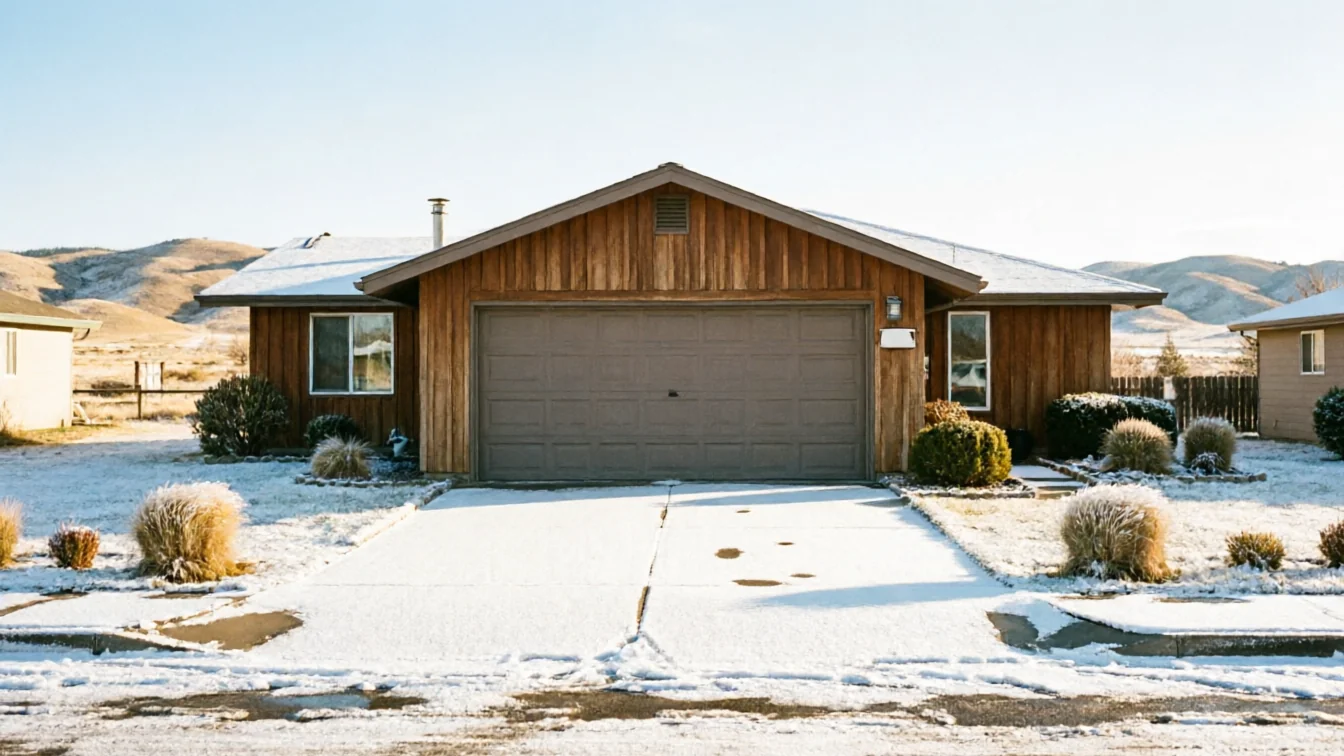
Fort Collins sits in a severe cold climate band, which means openers here deal with two stresses at once: subzero nights that stiffen lubricant and metal, and the grid strain that comes with winter storms. Those two things tend to show up on the same night, which is the worst possible timing if your opener has no battery backup.
The housing stock compounds it. With most homes built between 1975 and 2012 and the bulk of that dating to the 2000s, a large share of openers in this service area are now ten to twenty years old - right in the window where capacitors, circuit boards, and backup batteries start failing on their own schedule, cold or not. Cold just speeds up the clock on parts that were already near the end.
Across the roughly 27,939 owner-occupied houses in the service area, that's a lot of openers sitting in that same mid-life window at the same time, which is part of why this complaint clusters hard once the first real cold snap hits each year.
What we find
The Problem
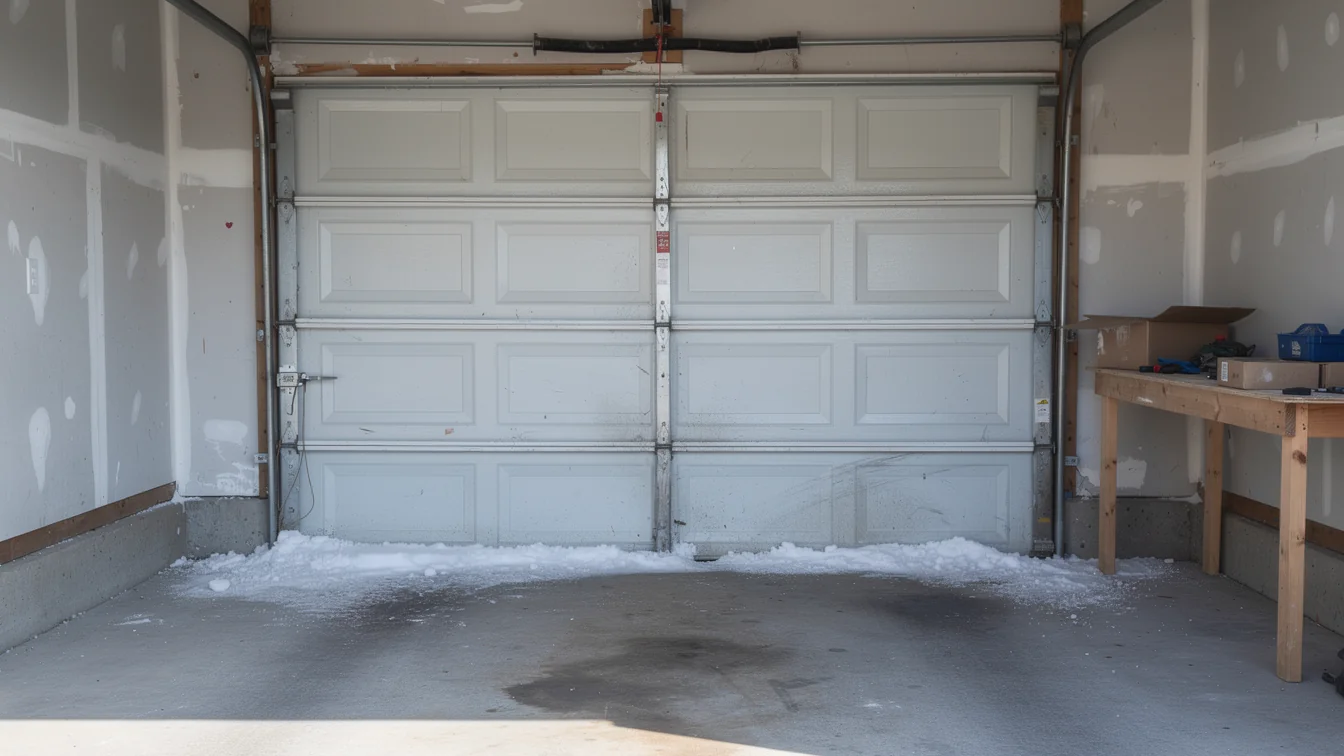
When the power cuts, an opener without a working battery backup does nothing - the door sits exactly where it was when the lights went out, locked at whatever height it happened to be. If that's halfway up, you've got a security gap in a house during a storm, and if it's down, your car's stuck inside.
The fallback is the manual release, which disconnects the trolley so you can lift the door by hand. That works fine in July. In a severe cold stretch, springs that are already stiffer from the cold are now being muscled by hand instead of a motor, and a door that felt manageable in warm weather can feel like dead weight at ten degrees.
Here's the honest limitation: we don't carry every opener's specific battery model on the truck, and if yours is an older or less common unit, the replacement battery or board can be a special order with a real wait. We'll tell you straight if that's the case rather than promise a same-day fix we can't back up.
How we work
The Seasonal Bit
Winter is when cold and power cuts tend to happen on the same night, not separately. A storm that knocks out power is usually also the storm dropping temperatures hard, so the two failure modes for an opener - no backup power, and cold-stiffened moving parts - show up together instead of taking turns.
That's the pattern worth planning around before the season starts, not during it. If your opener is original to a house from the earlier part of that 1975-2012 build range, checking for battery backup now costs you nothing. Finding out it's missing at eleven at night in a blackout costs you a lot more.
One more limitation worth saying plainly: we work on the door and opener, not the household electrical panel or surge protection upstream of it. If outages at your place are frequent enough to be a real pattern, that's a conversation for an electrician alongside whatever we do on the opener itself.
Talk to a local pro
Garage door trouble in Fort Collins?
Same-day service with honest, upfront quotes.