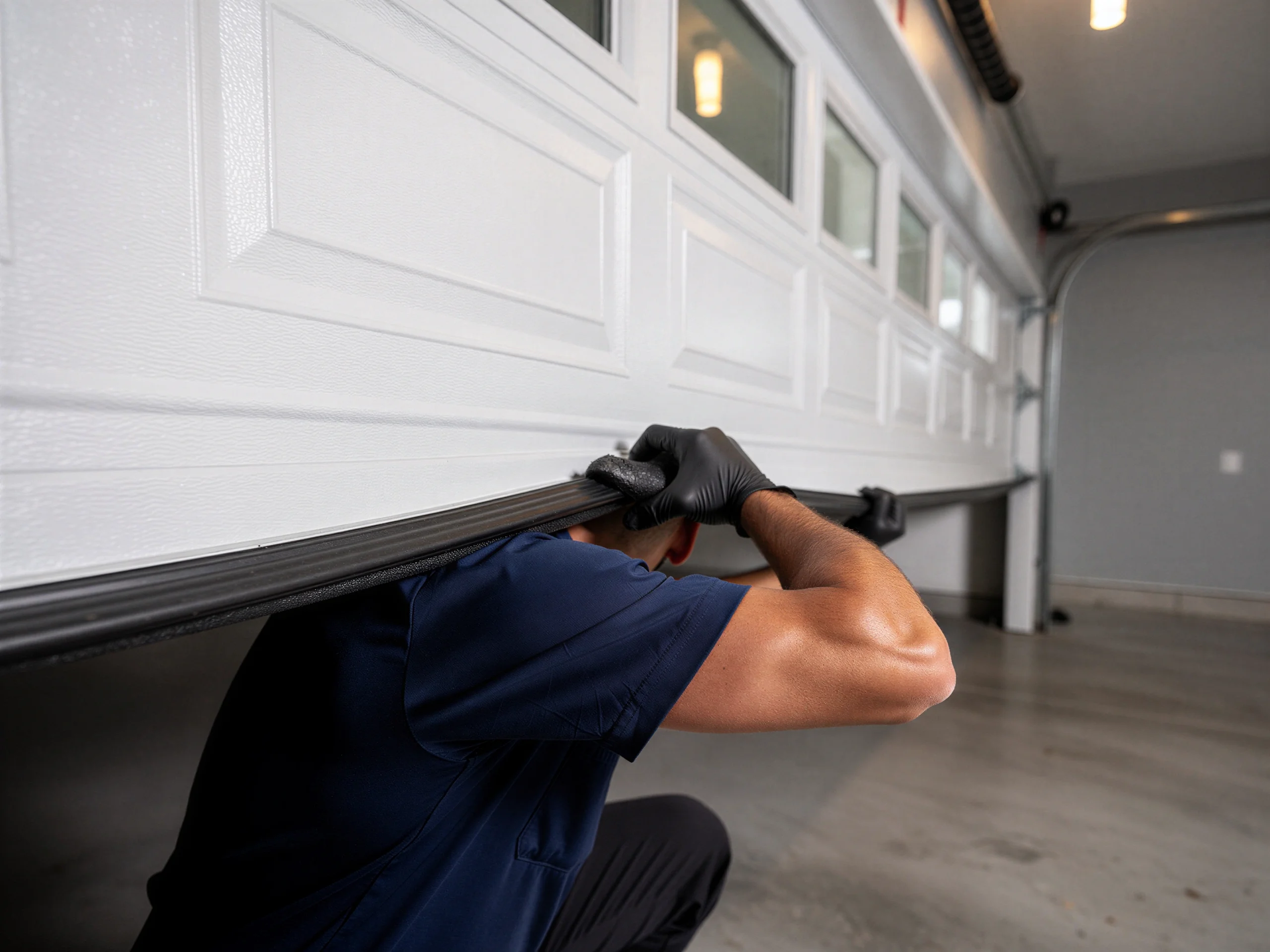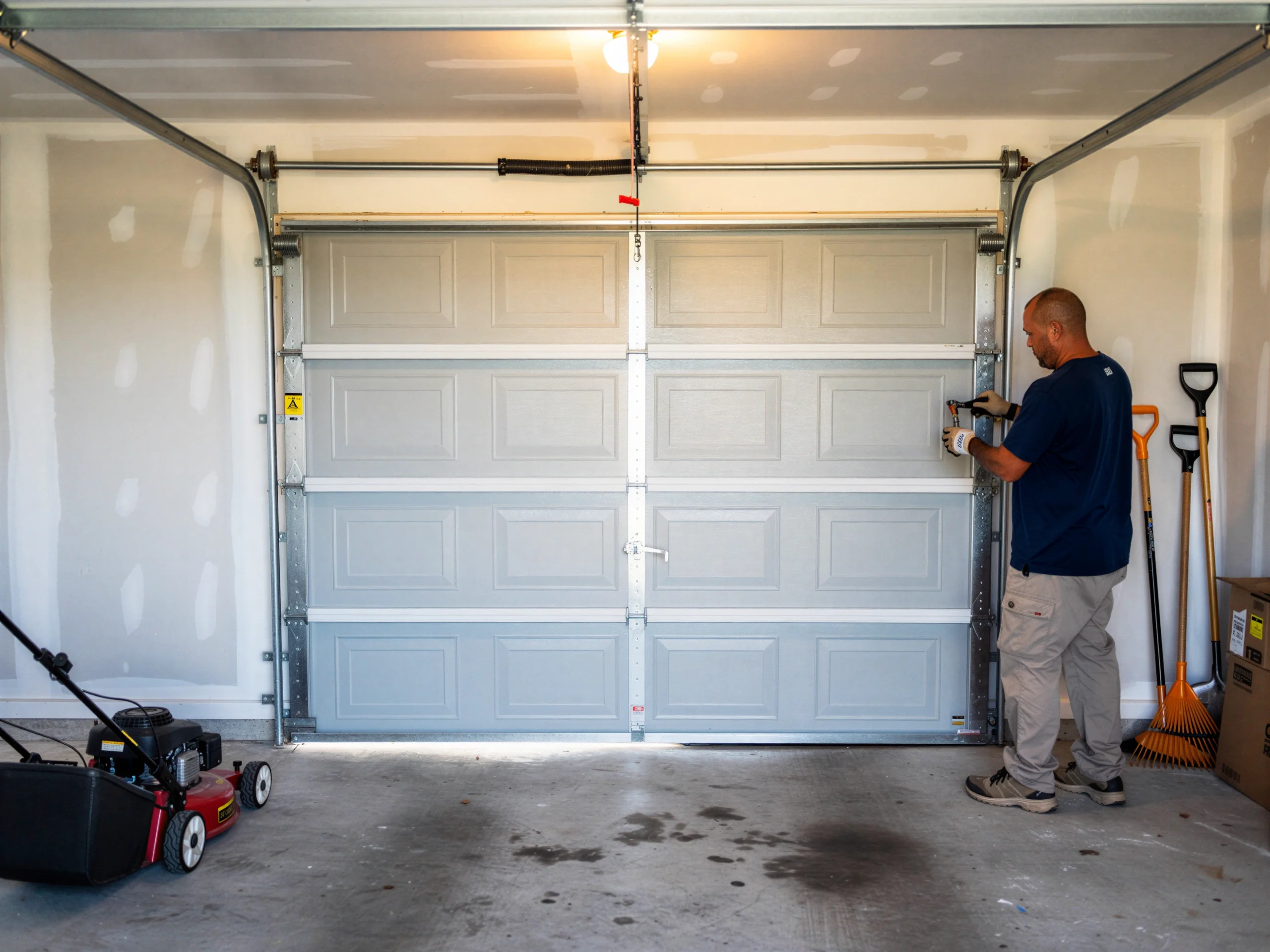
The Symptom
The door starts slow, then jerks the last foot before it seats. Or it won't go down all the way and reverses itself for no reason you can see.
Winter grinding noise
Sometimes it's a grinding sound on the way up that wasn't there last winter. Most calls we get start with one of these three things, and most of them point to the same root cause once we're standing in the garage looking at the track.
Morning cold-start struggles
Homeowners usually notice it first thing in the morning, when the opener has to fight the cold before it's warmed up, or late in the evening after a day of temperature swing. The door that worked fine at 2pm won't seat right at 7am. That pattern - fine midday, rough at the extremes - is the single most common complaint we hear across Fort Collins, and it's not really about the opener.
Stop forcing the opener
It's about what's holding the door up and what that hardware is made of. If your door is doing this, don't keep running the opener through it. Forcing a motor against a binding track or a spring that's lost tension is how a $150 call becomes a $500 one.
Why This Fails Locally
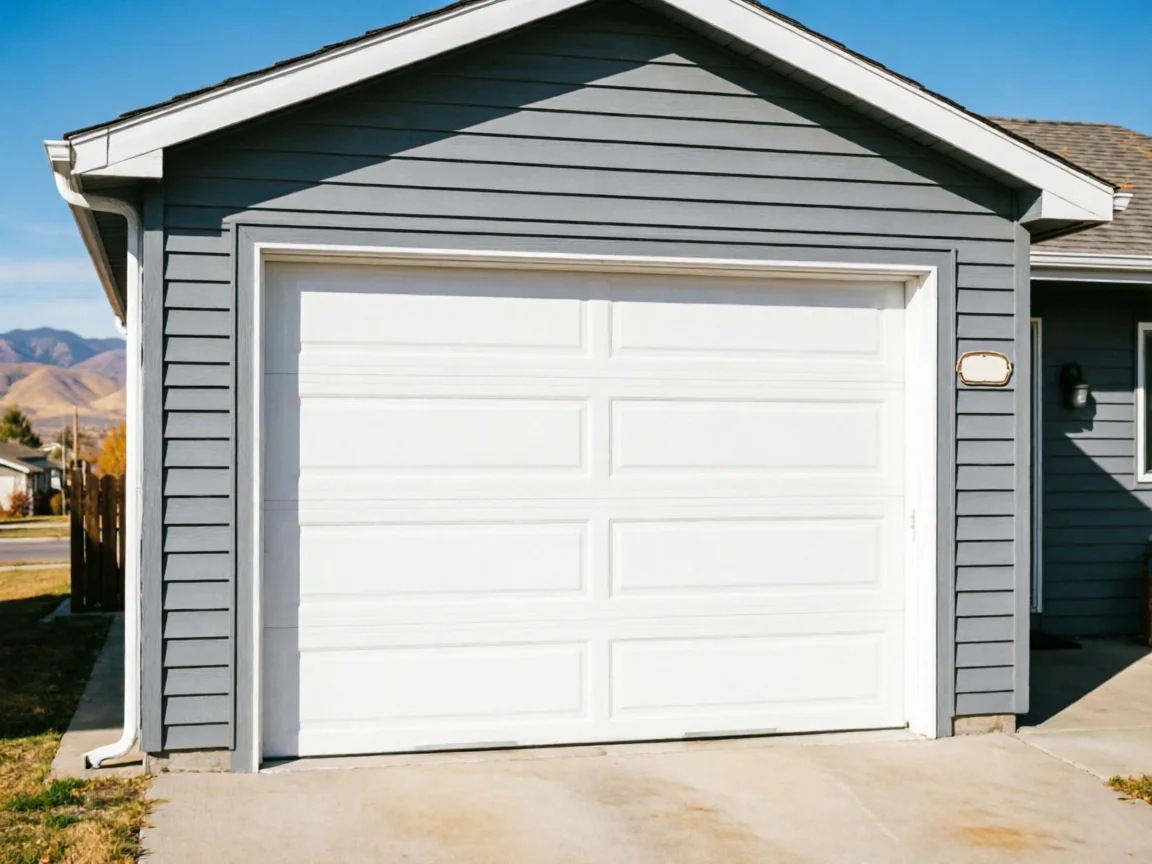
Most of the garage doors we work on sit on houses built between 1975 and 2012, with the bulk of that stock dating to the early 2000s across the ten or so subdivisions that make up this service area. That matters because doors and openers installed during that build wave are now 15 to 20+ years old - old enough for springs to be at or past their rated cycle count, and old enough that the factory lubricant in the rollers has gone stiff or washed out entirely.
Layer the climate on top of that. Fort Collins sits in a severe cold band, and steel contracts in the cold the same way it expands in July. A torsion spring that's a little weak in August can bind or snap outright on a sub-zero morning, because cold steel is less forgiving and the grease inside the coil thickens up right when the spring needs to flex. Track alignment that was a half-inch off in summer becomes a full bind in winter, because the frost pushes on slab and frame just enough to shift things.
So the same house, the same door, behaves differently depending on the month - and the failures cluster in the cold months because that's when 20-year-old hardware finally gets pushed past what it has left.
Parts We Carry
Because so much of the housing here dates to the same 1975-2012 window, we keep the parts on the truck that match that era's doors: torsion springs sized for standard double and single residential doors, nylon and steel rollers, galvanized cable, and the opener drive components - belts, chains, and gears - for the brands that were commonly installed in new construction through the 2000s.
We don't carry every spec for every custom or architectural door ever made. If your house has a door outside the standard residential range we stock for, we'll tell you that up front rather than make you wait on a special order while your door sits broken. For the overwhelming majority of houses in this area, though, the parts we carry on the truck match what's actually on your garage, which means most jobs get fixed same visit instead of scheduled for a return trip.
What the Fix Involves
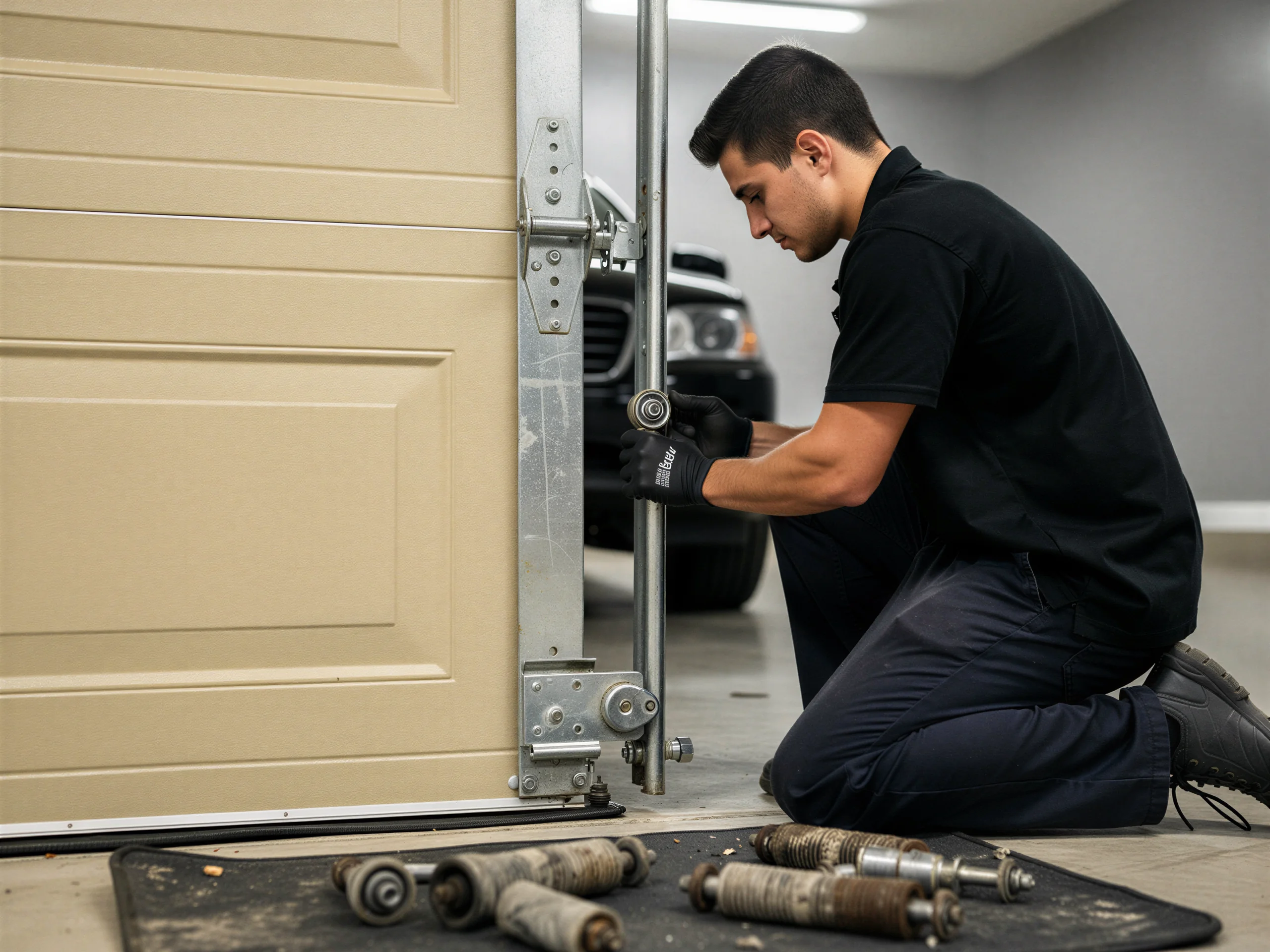
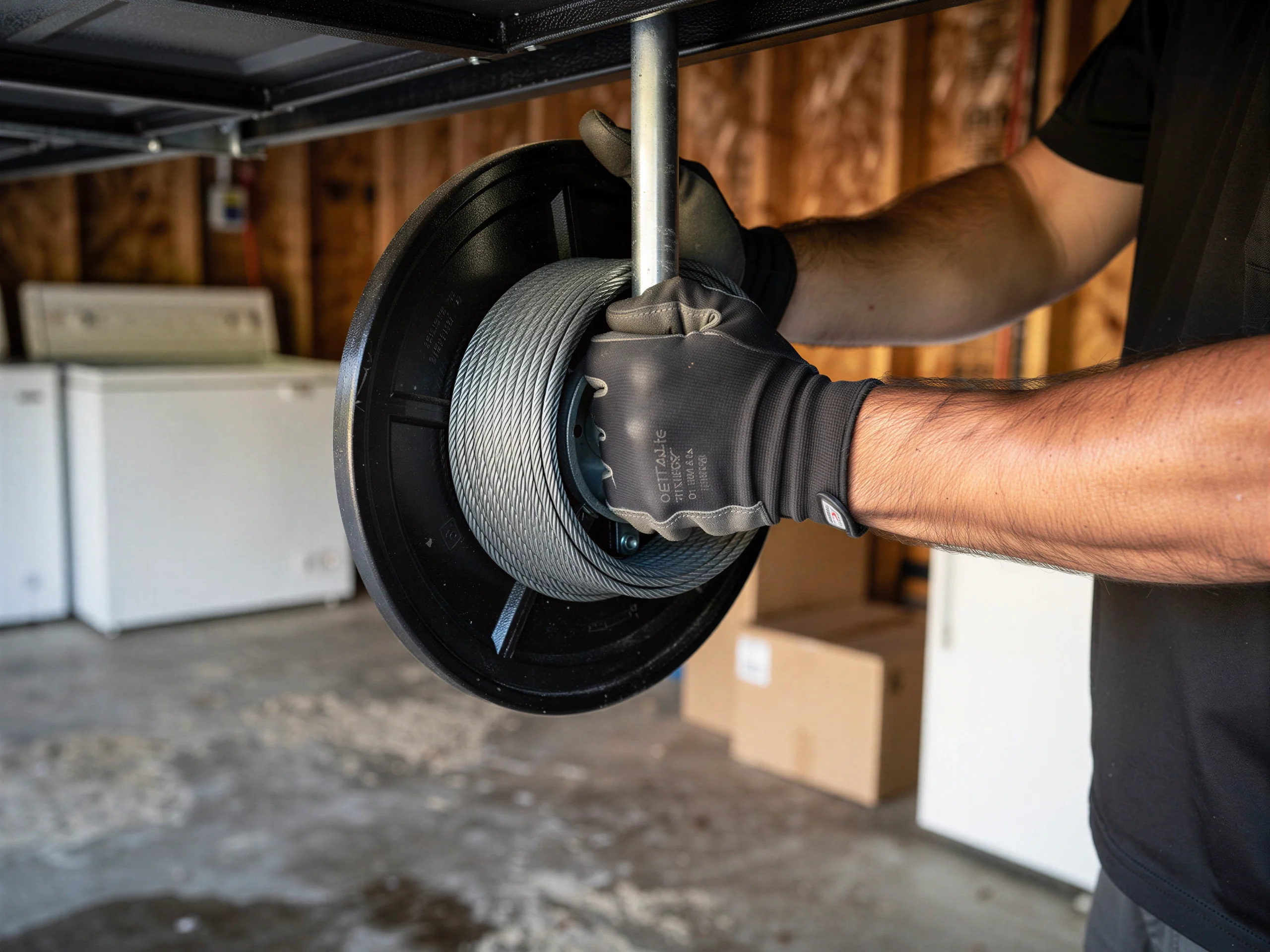
For a broken torsion spring, that's disconnecting the opener, releasing tension safely, pulling the old spring and cable, and setting new hardware sized to your door's weight and the drum ratio already on your shaft - not a generic swap.
Frost-shifted frame check
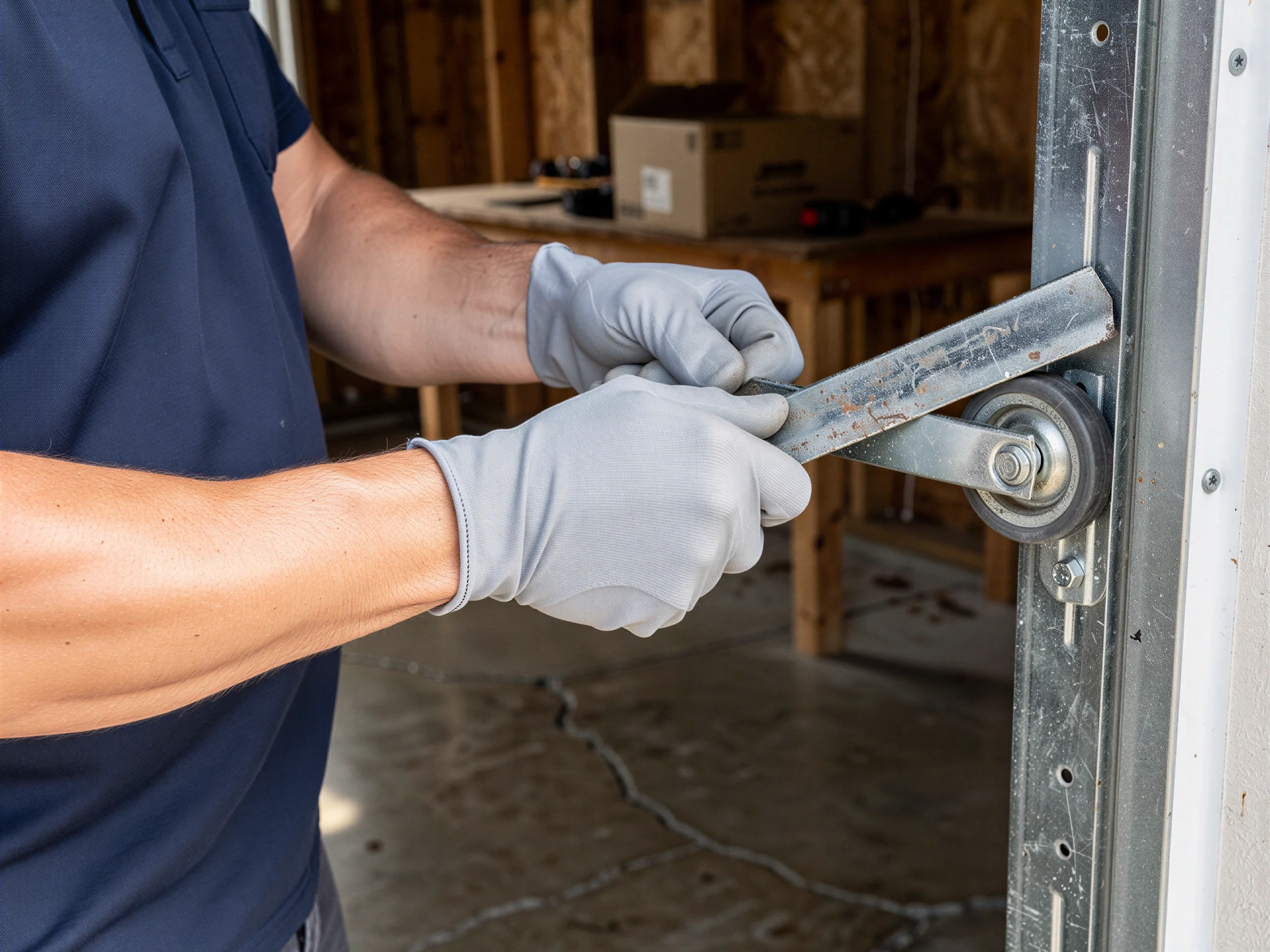
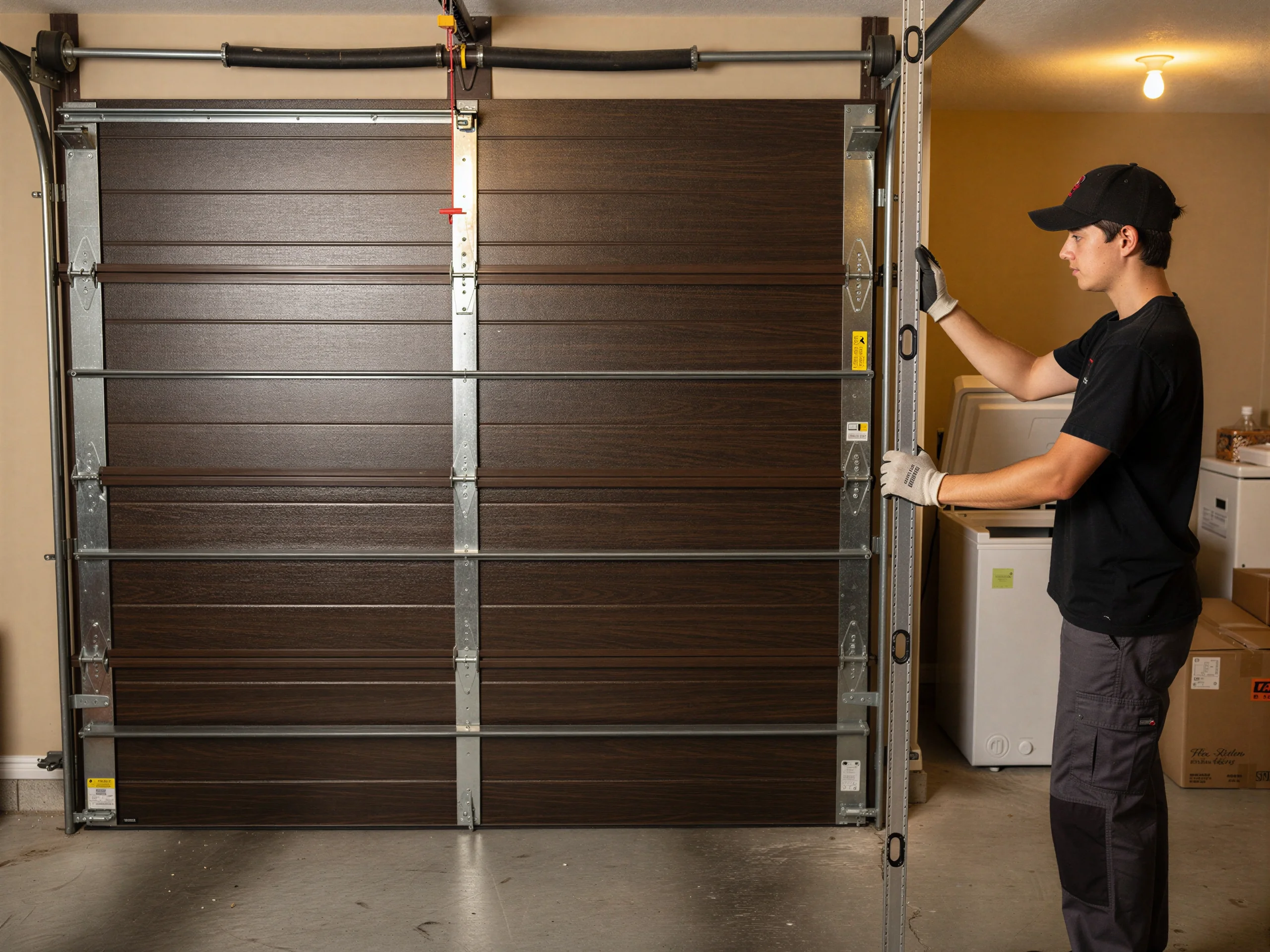
For a binding track, it's checking whether the frame has shifted with the frost before we just bend the rail back, because bending a track that's fighting a shifted frame just means it binds again next cold snap.
Drive part before board
On openers, we check the drive component first - belt, chain, or gear - before touching the logic board, since most "dead opener" calls in houses this age turn out to be a worn drive part, not an electronics failure.
Board or whole opener
If it is the board, we'll say so, and we'll also say if the opener itself is old enough that replacing it outright makes more sense than feeding it another part. We size every spring to the household's actual door and usage, not a one-size estimate, which is part of why a repair here holds up through the next cold stretch instead of failing again in six weeks.
Talk to a local pro
Garage door service in Fort Collins?
Same-day service with honest, upfront quotes.