Local detail
Checking It Yourself
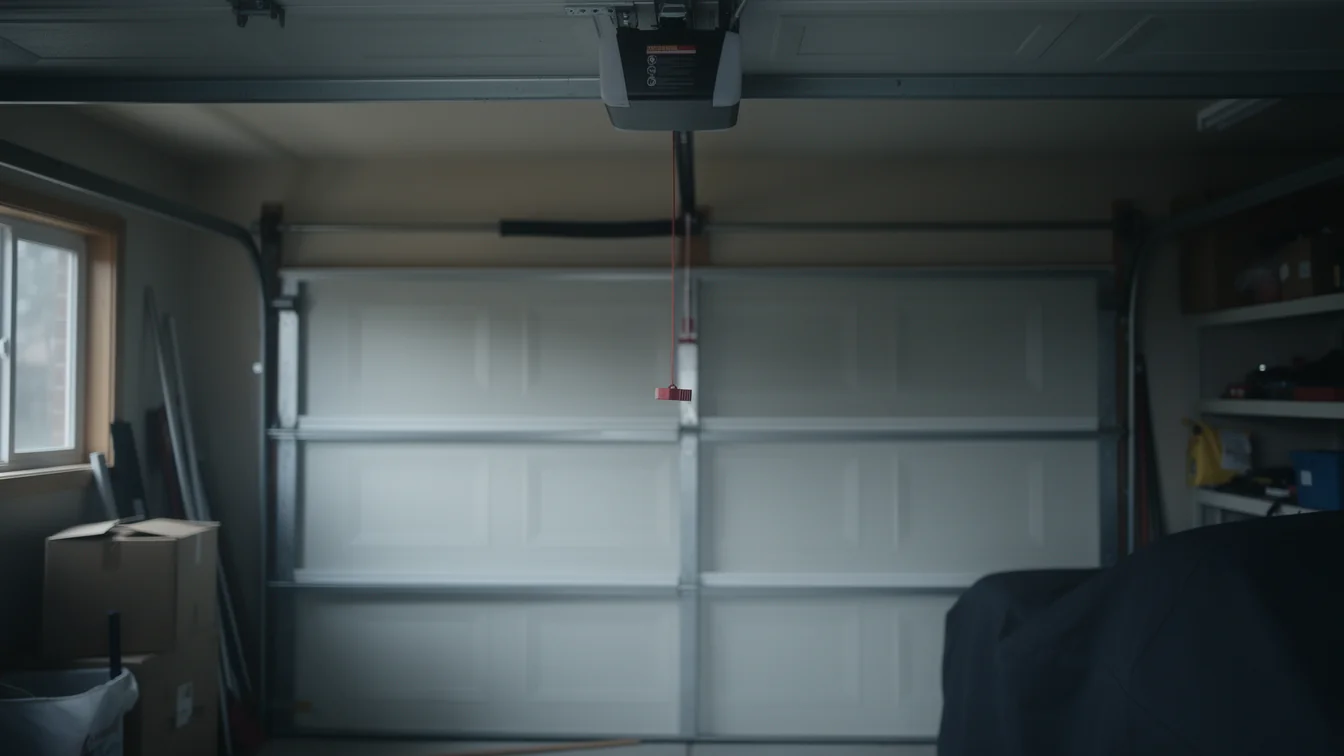
Before you call anyone, look at the spring itself - the coiled bar above the door, or the pair of them on a double door. A broken torsion spring usually shows a clean gap in the coil, sometimes with the two ends hanging slightly apart. You'll also notice the door feels twice as heavy when you lift it by hand with the opener disconnected - that's the real giveaway, not just a door that won't respond to the remote.
Check the install date if it's written on the spring, or ask whoever built or last serviced the house. Most houses in this area were built between 1975 and 2012, with the bulk of the stock dating from the 2000s building boom, so a lot of springs on these doors are original or close to it. If you don't know the install date, don't keep working the door open and closed trying to find out - a spring that's already stressed from cold can let go the rest of the way under load, and that's how cables snap and sections bend.
The area
How Local Conditions Play In
Fort Collins sits in a climate band classified as cold-severe, and that matters more for springs than for almost anything else on the door. Steel doesn't flex the way it does in summer - a hard freeze stiffens the coil and makes a spring that's already near the end of its cycle life more likely to snap outright rather than just wear thin gradually. You'll usually see this right after the first real cold snap of the season, not necessarily during the coldest stretch of January once everything's settled into the cold.
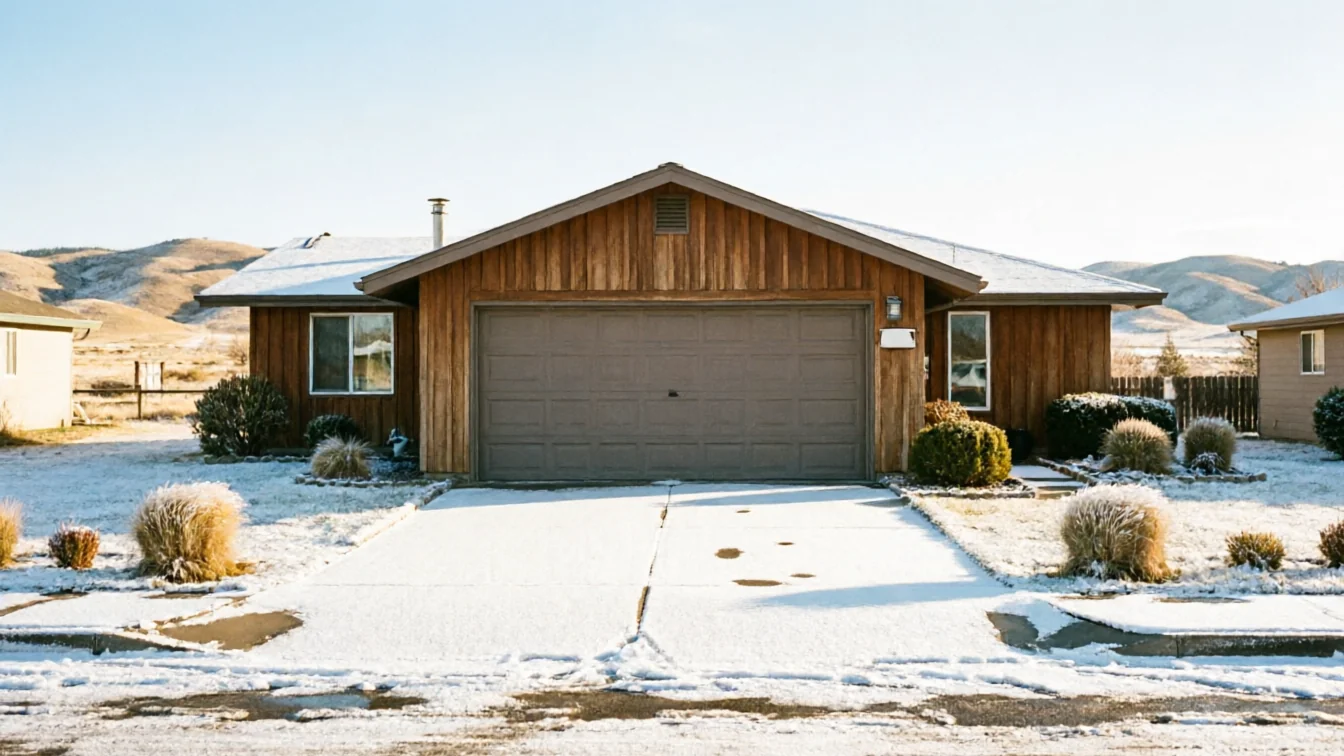
Garages that aren't heated or insulated feel the full swing of outdoor temperature, and a lot of houses from this area's 2000s wave have attached but unconditioned garages, so the spring inside sits at whatever the outside air is doing that morning. That's a different situation than a detached, insulated garage, and it's part of why cold-weather spring calls cluster right after a temperature drop instead of spreading evenly through the winter.
What we find
The Problem
Torsion springs are rated for a number of open-close cycles, not years, but years still matter because most of what's installed out there matches the age of the house around it. With median construction here landing around 2005, a spring sized and installed then is now well past a decade and a half of use even under normal conditions. Add a cold snap and a spring that was already near its cycle limit goes from weak to snapped with no warning in between.
The failure itself is loud, and it sometimes damages more than just the spring - a door that drops suddenly can bend tracks or knock rollers out of their channel. One thing worth saying plainly: we don't recommend replacing only one spring on a double-spring setup. If one side has reached the end of its life, the other usually isn't far behind, and mismatched springs put uneven load on the shaft going forward.
How we work
The Seasonal Bit
Cold-weather spring failure follows a pattern here - a cluster of calls right after the first deep freeze of the season, then sometimes a second wave if there's another hard cold snap later in winter. It isn't random; it's springs that were already close to failing finally getting pushed over by stiff steel and the extra load of a heavy door.
One limitation worth knowing: correct springs are sized to the door's weight and drum, not sold as a universal fit, so we don't carry every size on the truck for every job. An uncommon size can mean a short wait on parts rather than a same-day fix. If your spring breaks during a cold stretch and you're not sure it's safe to wait, leave the door down, unplug the opener, and don't try to drive a car out from under a door that's lost its counterbalance.
Talk to a local pro
Garage door trouble in Fort Collins?
Same-day service with honest, upfront quotes.