The Symptom
The door drags, or it won't open past a foot before the opener clicks off and reverses. Some mornings it's slow and groaning, like the track is full of sand.
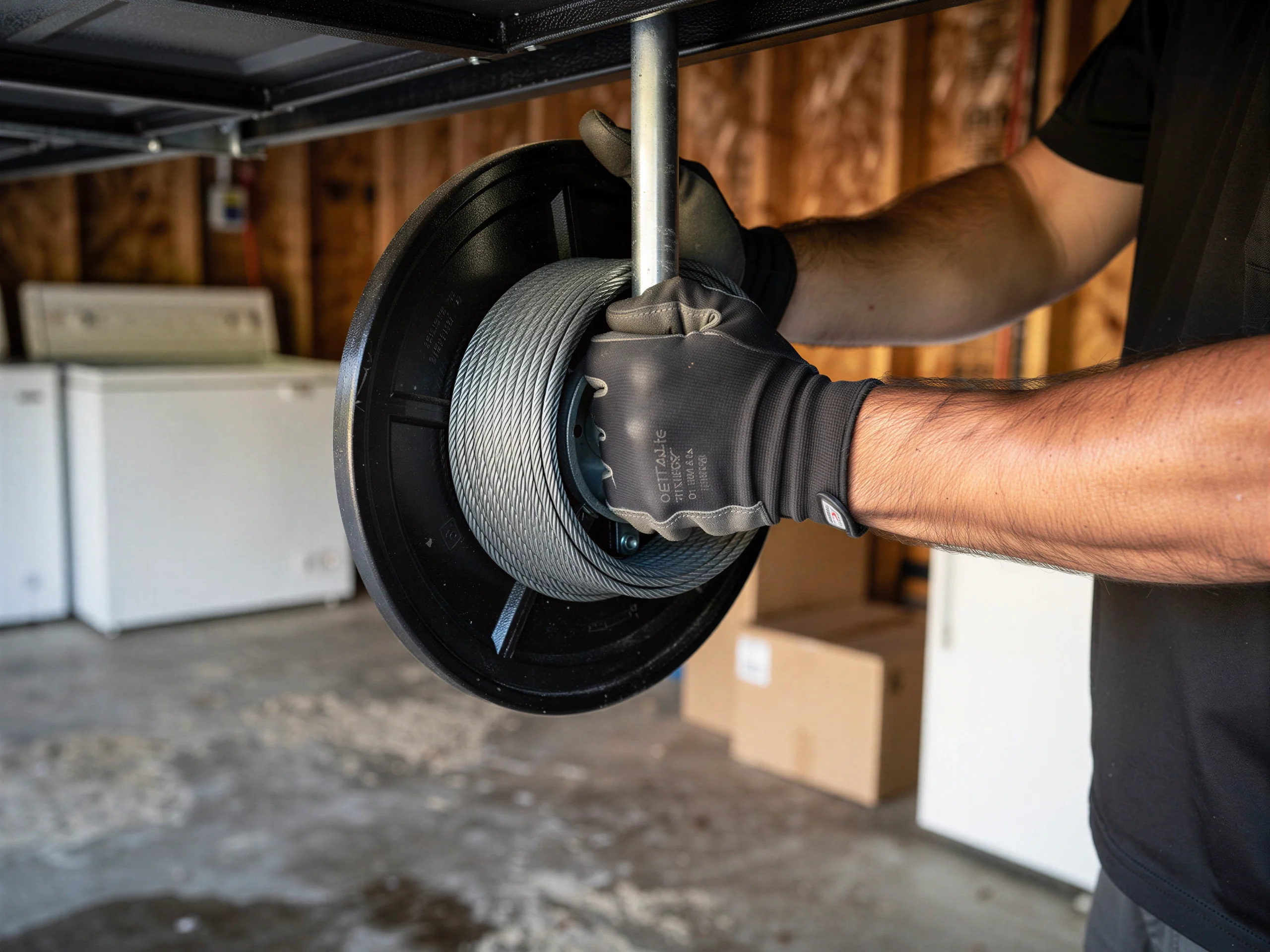
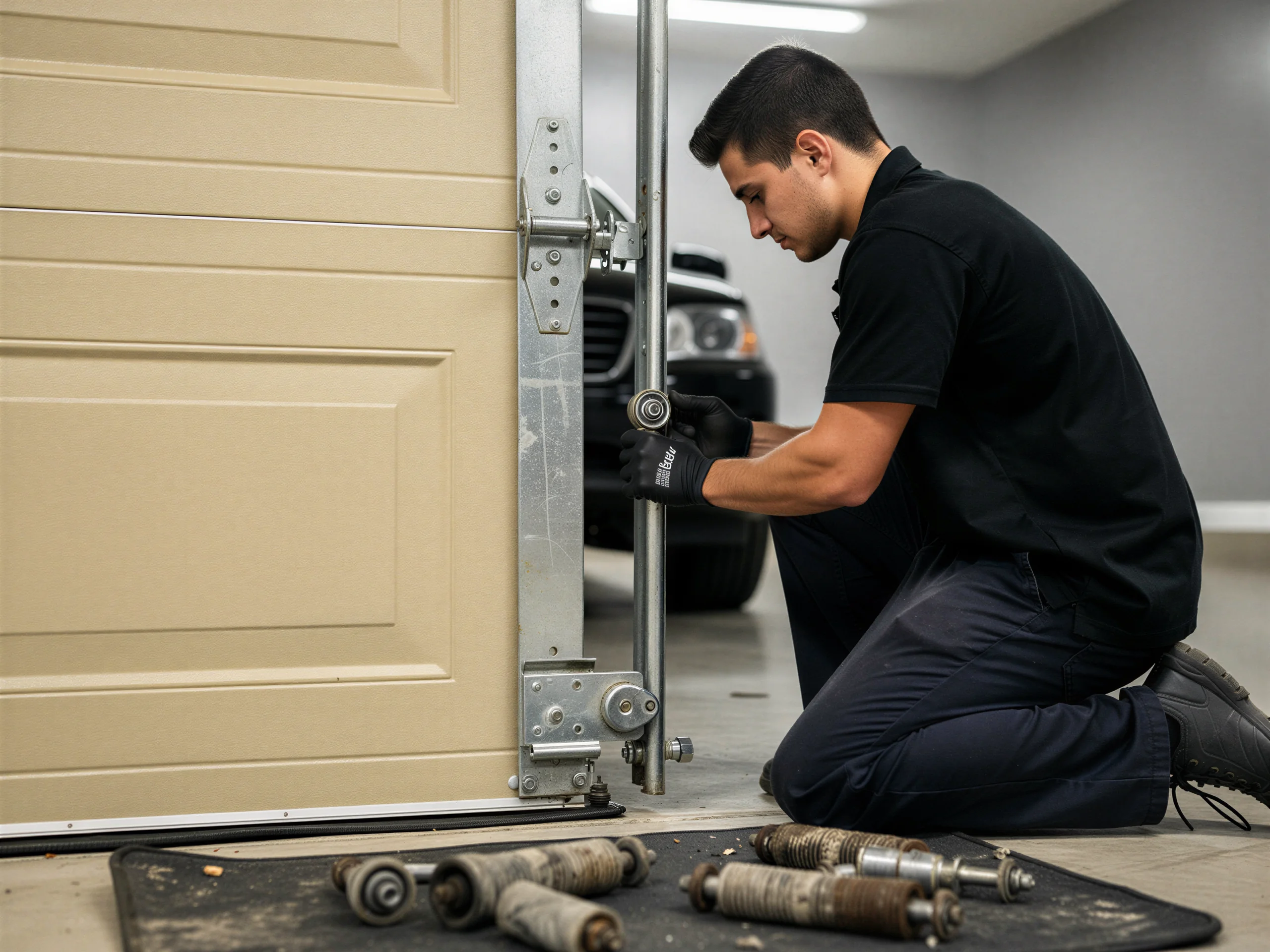
Crooked door, cable jumped
Other times it's worse: you hit the button and nothing moves, or the door comes down crooked on one side because a cable jumped the drum. A lot of calls start the same way, usually right after a hard overnight freeze - the door worked fine the day before and now it fights you every step.
Loud spring snap sound
If a torsion spring has let go, you'll hear it before you see it: a bang from the garage that sounds like a gunshot, usually first thing in the morning when the metal is coldest and under the most tension.
Usually one failed part
None of this means the door is done. Most of the time it means one part failed under stress it wasn't built to handle that day, and the rest of the system is fine once that part is replaced.
Why This Fails Locally
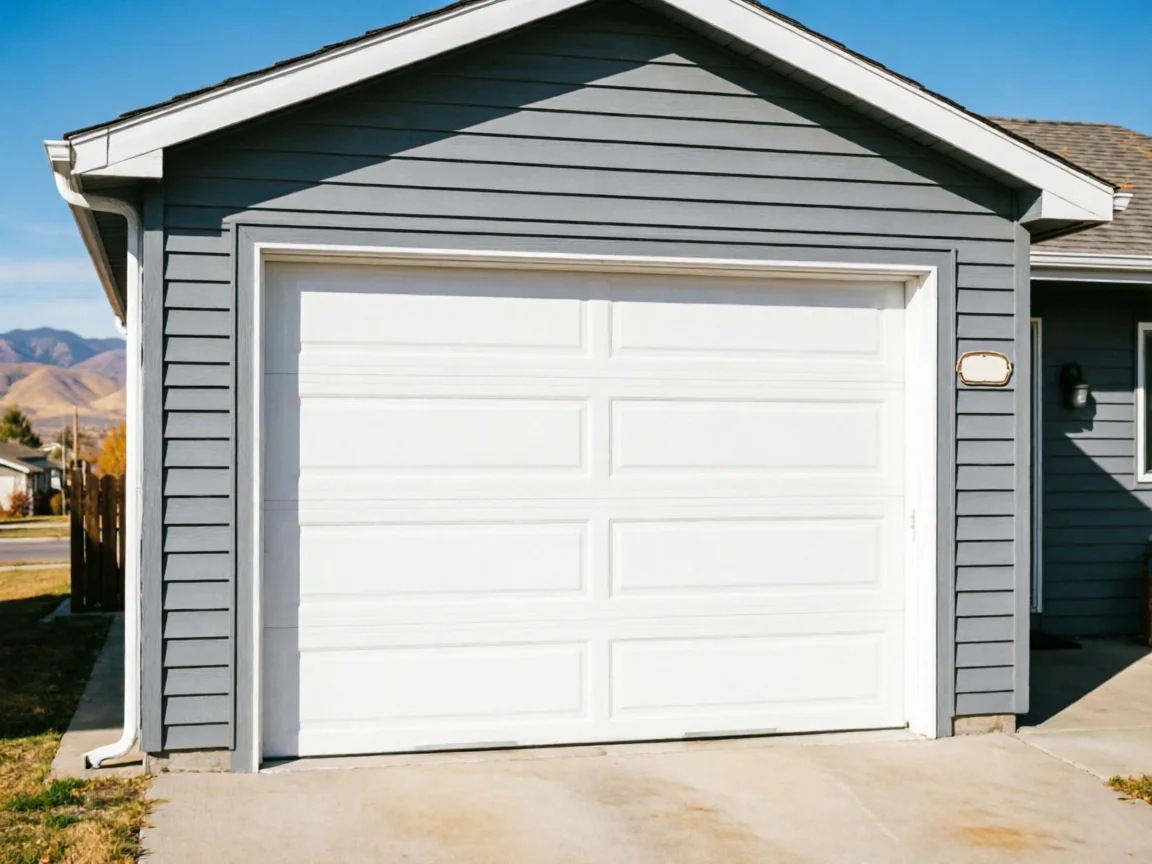
Most houses on this side of Fort Collins went up between 1975 and 2012, with the bulk of that stock dating to the 2000s building boom across the area's ten named subdivisions. Builders in that window used torsion springs and track hardware rated for standard use, not for the cycle count a severe cold climate puts on steel. Cold doesn't just make grease thick - it makes the steel itself more brittle and less forgiving of the daily expansion and contraction that comes with a 50-plus degree swing between a January morning and afternoon. A torsion spring already near the end of its wind count is far more likely to snap on a cold morning than a mild one, because the metal has less give left when the garage drops below freezing overnight. Openers from that same era often run older logic boards and weaker gear sets that weren't designed to push a stiff, cold door through a full cycle, so they overwork and fail years before a spring sized and installed for this climate would need replacing. The age and climate are doing the damage together, not separately.
Parts We Carry
We stock torsion springs sized for the single and double-car door openings common to houses built here from the mid-1970s through 2012 - the standard widths you'll find across this service area, not custom or oversized residential doors.
Springs rated for cold cycling
That includes springs rated for the wind cycles a severe cold climate puts through them, which matters more here than the spring's raw weight rating. We carry openers built for the same era of track and rail hardware, along with the rollers, cables, and drums that wear out on a door doing daily work through freeze-thaw swings.
Nylon versus steel rollers
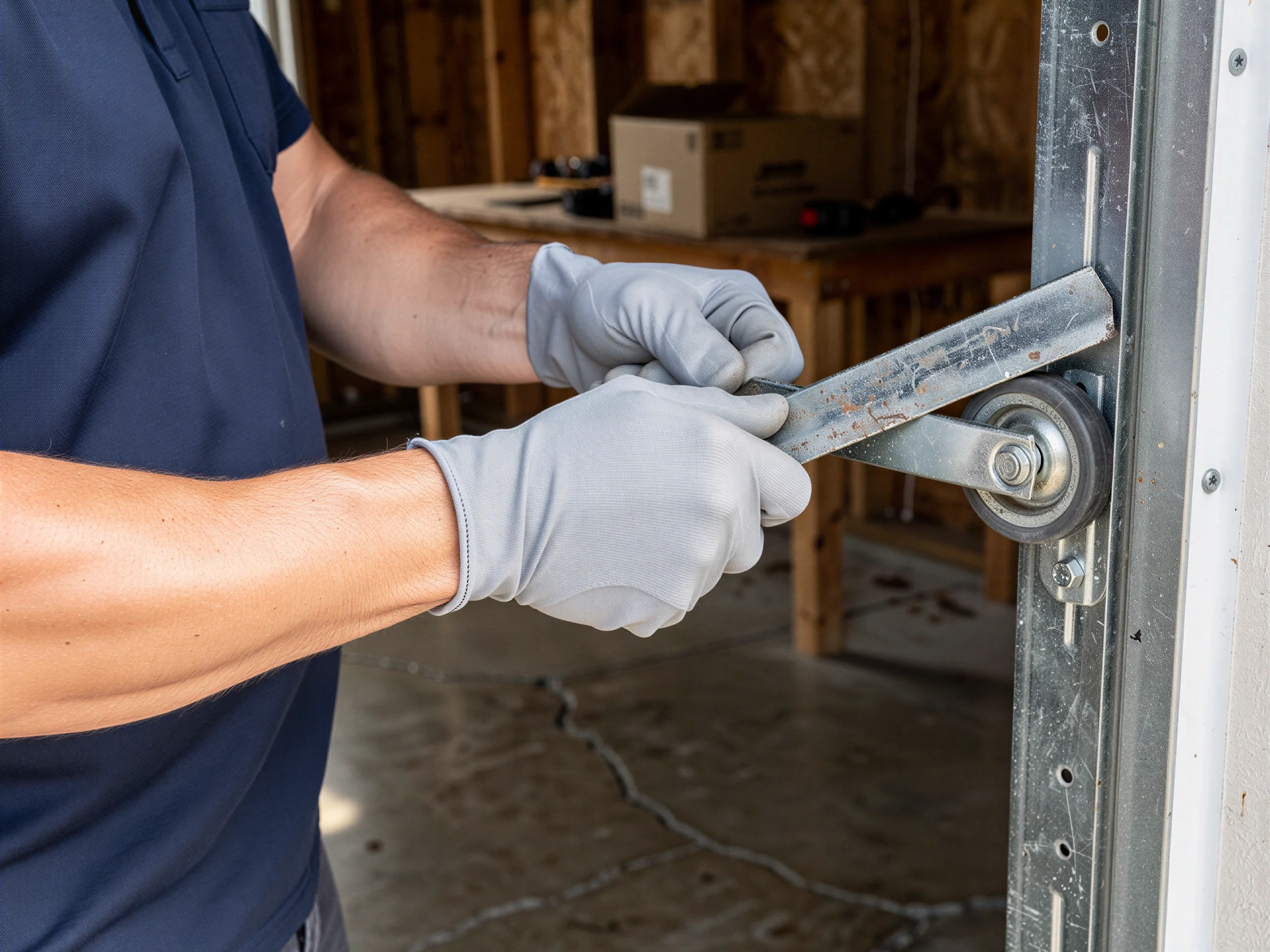
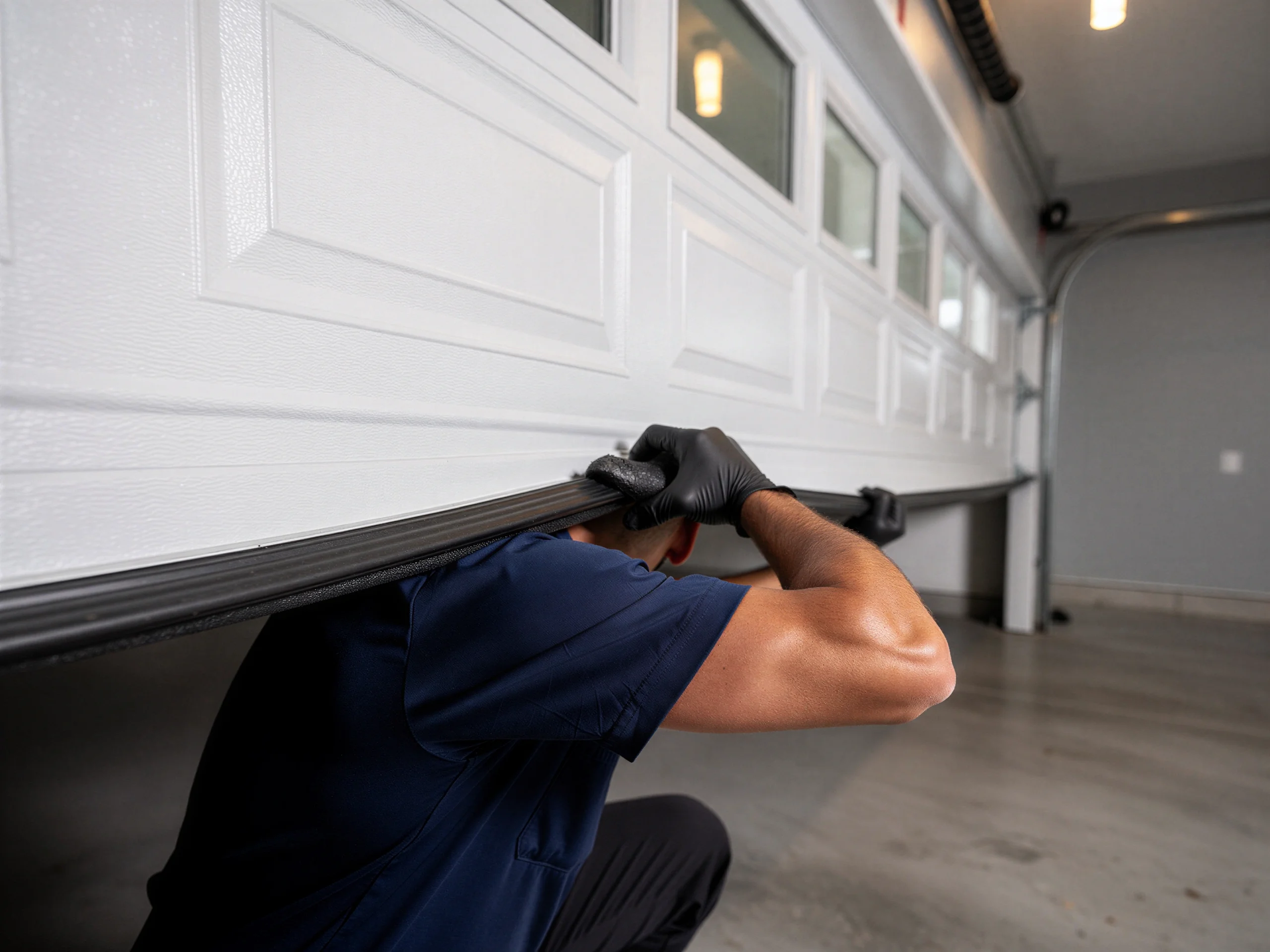
Nylon rollers are what we put in for noise and cold flexibility; steel rollers still show up as a cheaper option when that's what the job calls for. We also carry cold-rated weatherstripping and bottom seals, since the stock seal on a 2000s-build door tends to crack and stiffen after enough winters here.
Discontinued opener boards
One honest limit: some opener circuit boards from this era are discontinued, and when we can't source the exact board, replacing the opener head is the straighter path than chasing a part that doesn't exist anymore.
What the Fix Involves
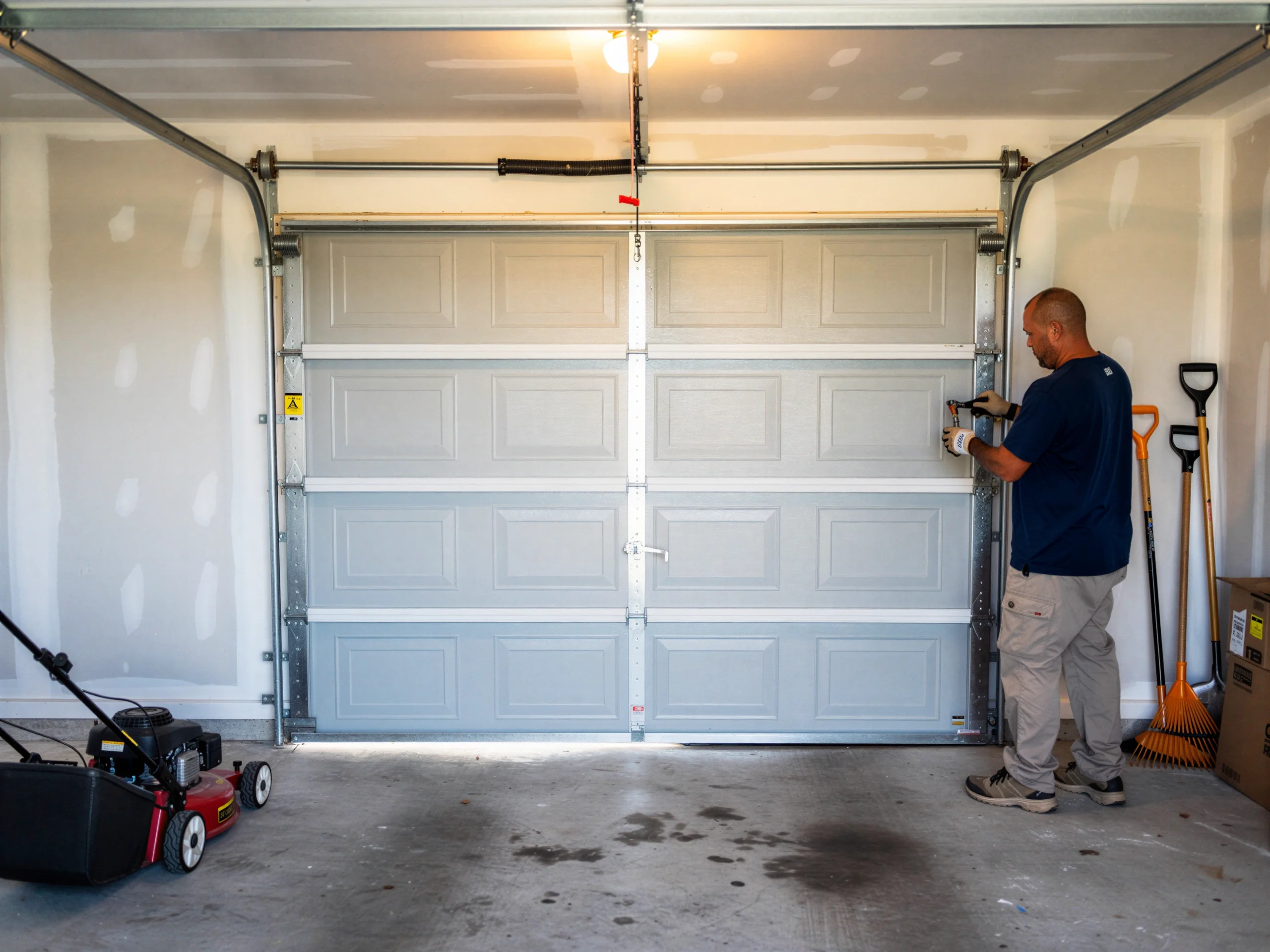
We start by cycling the door by hand with the opener disconnected, which tells us right away whether the spring, the track, or the opener is carrying the fault.
Springs replaced as pairs
A broken torsion spring gets replaced in a matched pair even if only one side failed, because the other side is wound to the same age and cycle count and won't be far behind.
Inspect hardware while open
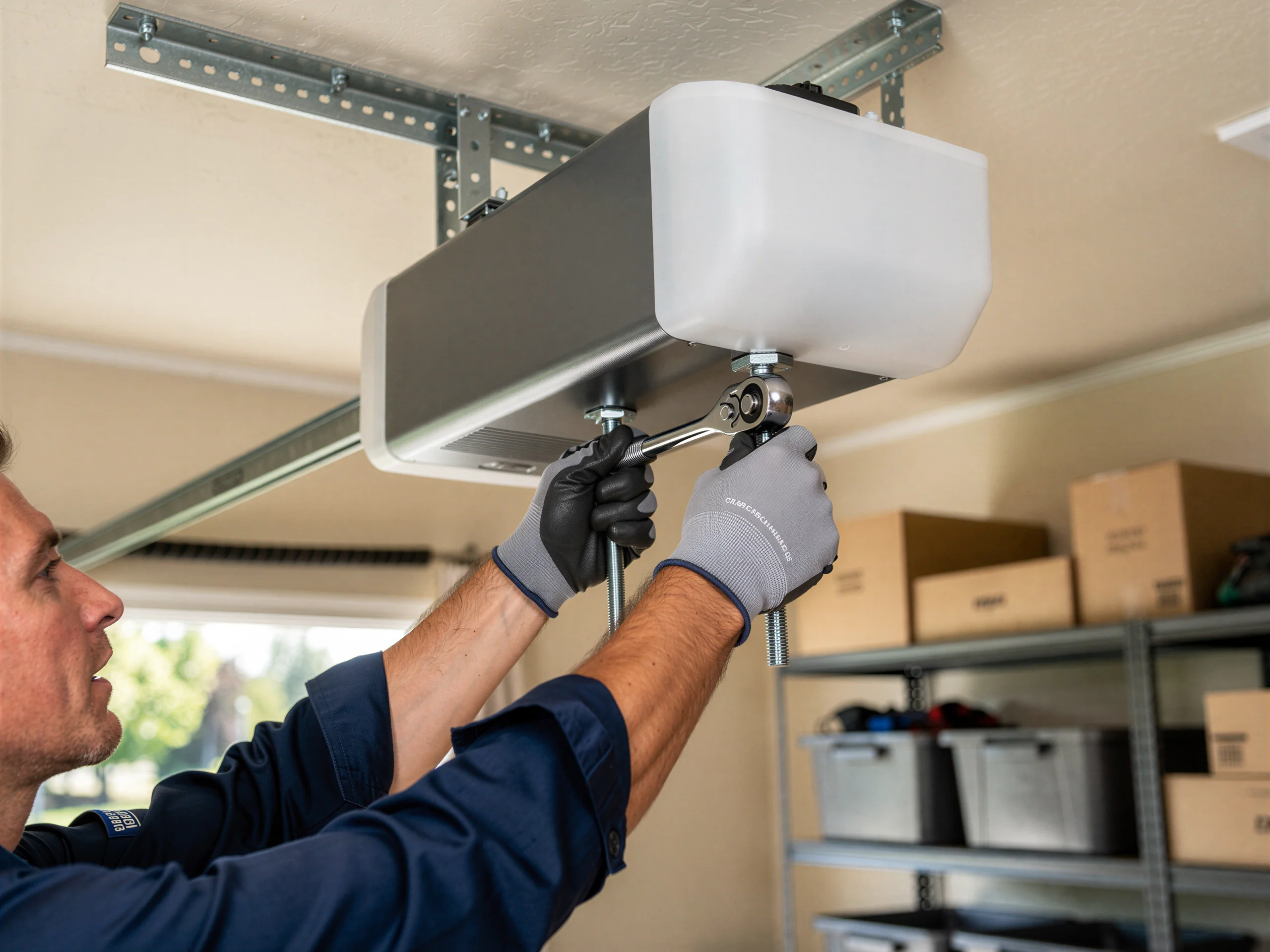
We check the drums, cables, and end bearing plates while the spring is off, since those parts take the same cold-cycle stress and are cheap to swap compared to a second visit. If the opener is the problem, we test the logic board and gear set before replacing anything, because a worn drive gear can mimic motor failure and costs a fraction as much to fix.
Recalibrating travel and force
Once the mechanical side is sound, we recalibrate the opener's travel limits and force settings, since a stiff cold door needs different force tolerance than the same door in July. The whole job gets a final safety check on the auto-reverse sensors before we call it done - that part isn't optional, cold or not.
Talk to a local pro
Garage door service in Fort Collins?
Same-day service with honest, upfront quotes.