The Symptom
The door jerks or hangs partway up the track. You hear a grinding or popping sound right as it passes the bend where the horizontal track meets the vertical section.
One-side panel knock
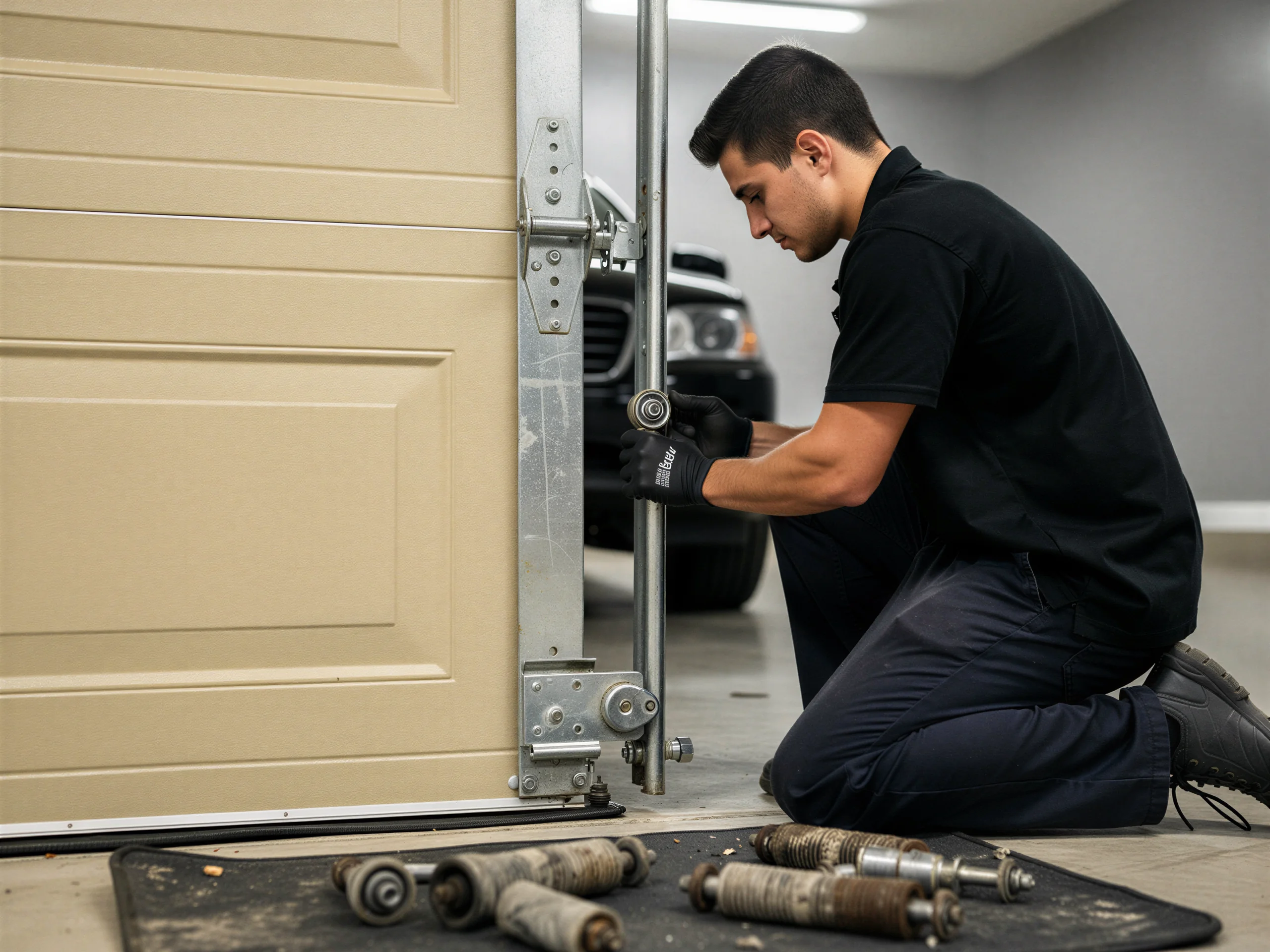
Sometimes a panel knocks against the frame on one side only. That's usually a roller that's worn down, cracked, or has lost its bearing core, not the opener and not the spring.
Repeating spot noise
If the noise happens every single cycle at the same spot in the track, look at the rollers before you call about anything else. A few owners mistake this for a track problem and try to bend the rail back into shape. That rarely helps.
Uneven roller wear pattern
Rollers wear unevenly - one side of the door usually gets more side-load than the other depending on how the door was hung - so it's common to find three good rollers and one that's shot. We check all ten before we tell you what needs swapping, because replacing one and leaving a near-dead one next to it just means a second trip.
Why This Fails Locally
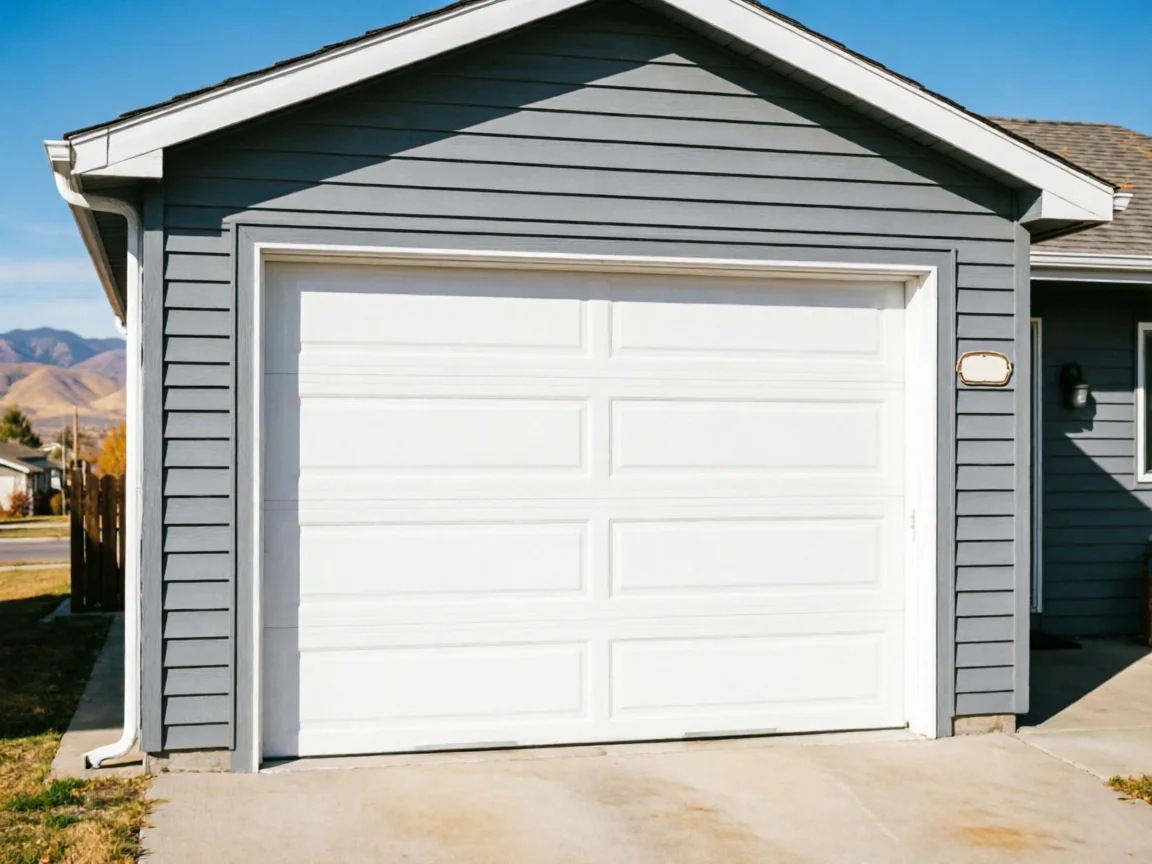
Most of the garage doors we work on in the Fort Collins service area went up between 1975 and 2012, with the bulk of that stock dating to the 2000s build boom. That generation of door came stock with plastic or low-grade nylon rollers on steel stems - fine for the first decade, but by year 15 to 20 the nylon gets brittle and the stems start to groove the track.
Cold is the other half of it. This is a severe cold climate, and nylon rollers stiffen and crack faster when they're cycling through near-zero mornings all winter, then warming up by afternoon. That expansion-contraction cycle is harder on the roller than on almost any other part of the door. Steel ball-bearing rollers handle that swing better, which is why we see fewer callbacks on doors that have already been upgraded from the factory nylon.
Parts We Carry
We carry 7-ball and 10-ball steel bearing rollers in both 2-inch and 4-inch stem lengths, plus standard nylon rollers for owners who want a straight like-for-like swap instead of an upgrade.
Measuring fit before quoting
Stem length and roller diameter both matter - put a 4-inch stem where a 2-inch belongs and the door binds in the track - so we measure before we quote, not after. What we don't stock: rollers for commercial or custom oversized doors outside the standard residential sizes.
Custom orders take longer
If your door was a custom order, lead time on that specific roller can run past what we keep on the truck, and we'll tell you that up front rather than make you wait on a part we don't actually have.
What the Fix Involves
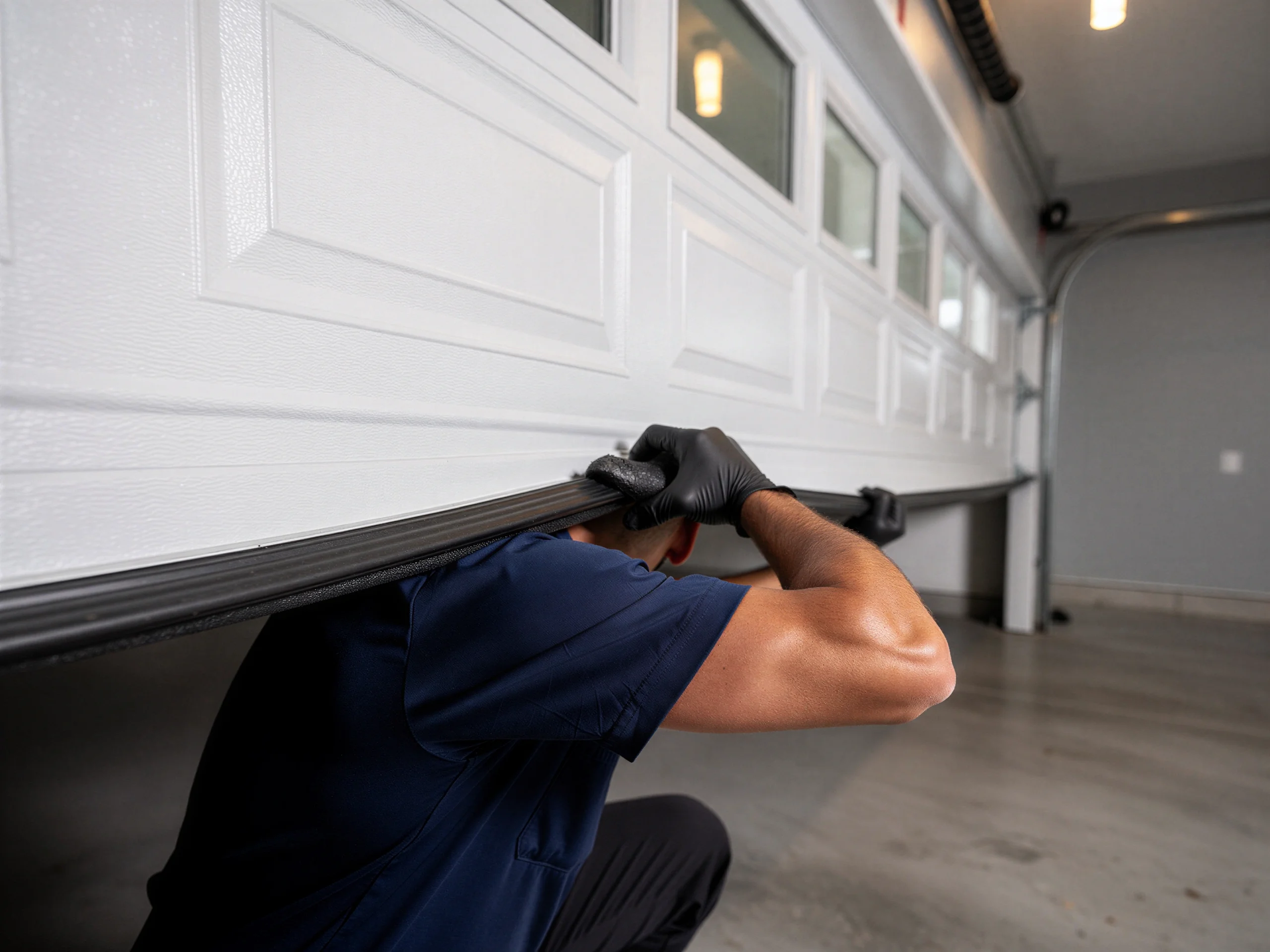
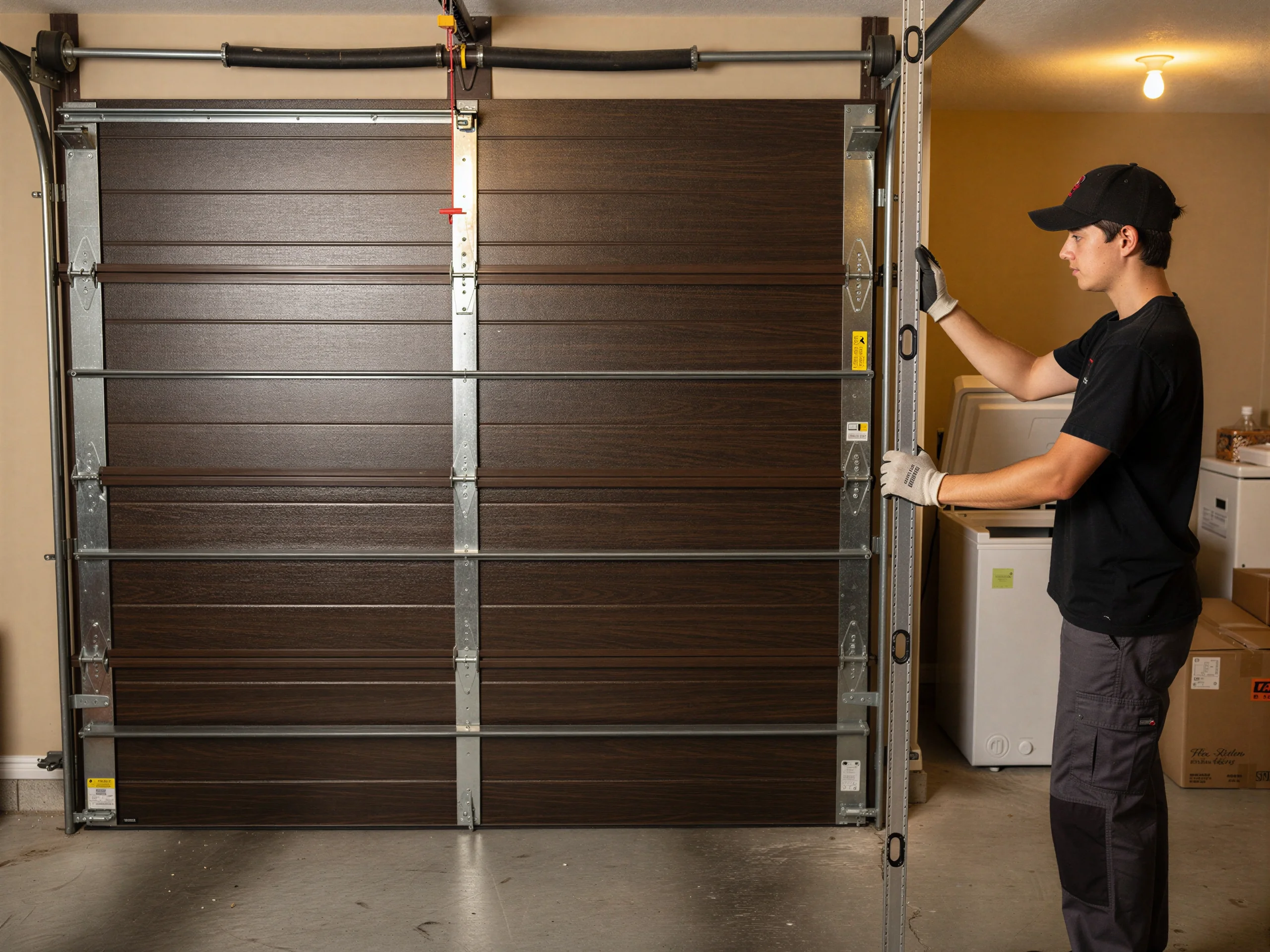
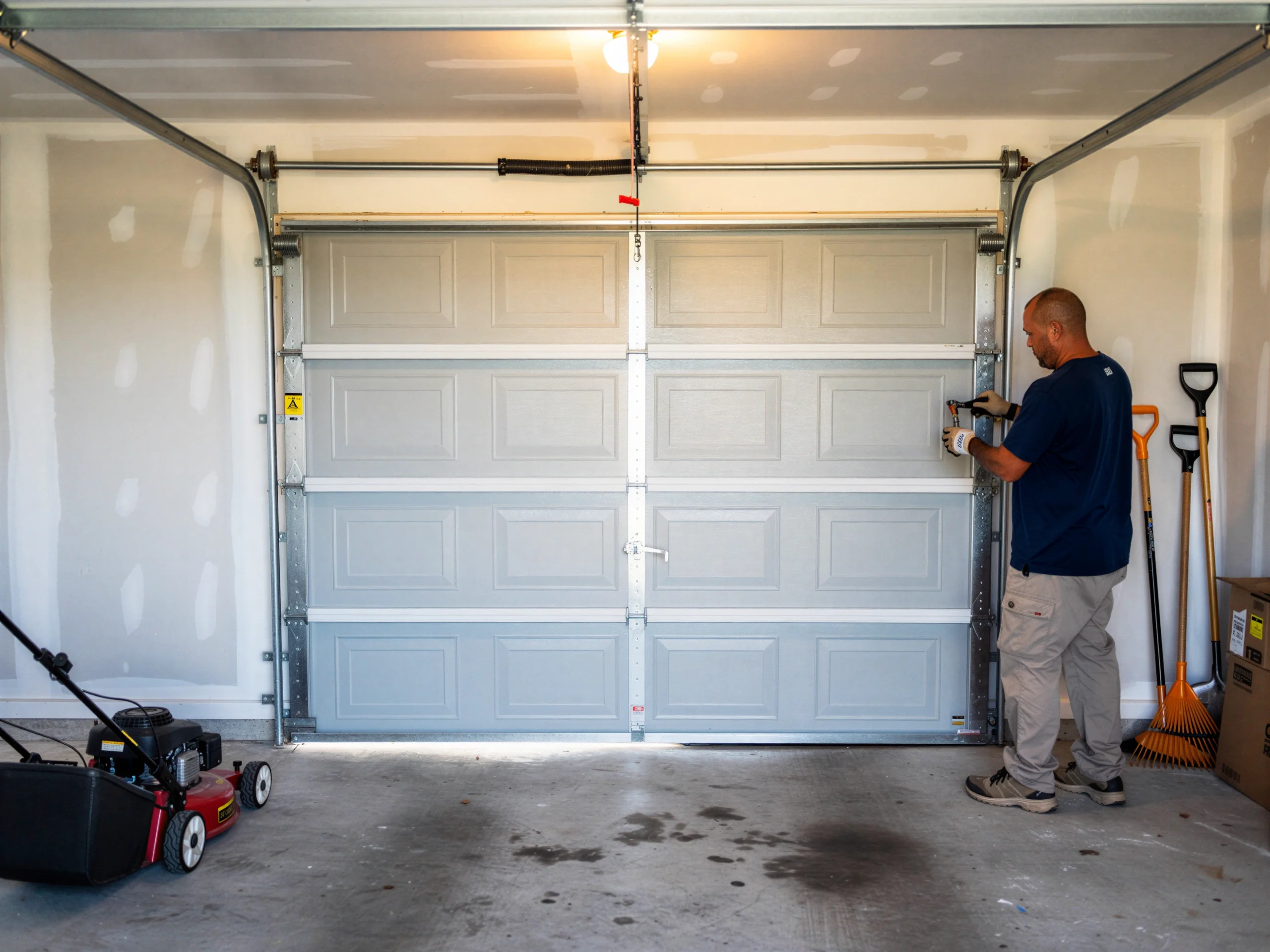
We release tension on the door safely, lift it off the track section by section, and pull the old rollers out of their brackets. Each roller gets checked against its neighbor - uneven wear tells us if something else, like a bent track or a sagging bottom bracket, is pushing load onto one side. If the track itself is grooved from years of a bad roller grinding against it, that gets addressed too, because a new roller in a damaged track just wears out again in a season.
Once the new rollers are seated, we run the door through a full cycle by hand before we put the opener back on it, checking for smooth travel at the curve and no drag at the top of the track. Most roller jobs are done the same visit - we don't leave half a door on a truck trip waiting on a second part.
Talk to a local pro
Garage door service in Fort Collins?
Same-day service with honest, upfront quotes.