The Symptom
The door starts slow in the morning and sounds different than it did in July. Maybe it shudders a foot off the floor before catching, or the opener strains and reverses on the way up.
Cold-season hesitation signs
Owners usually notice it in the cold months first: a door that worked fine all summer suddenly hesitates, grinds, or needs two tries. None of this means the opener is dying. More often it's a spring losing tension, a track pulling slightly out of plumb, or rollers that have gone dry and loud.
Early catches avoid replacement
These are maintenance issues, not replacement issues, if you catch them early. The tricky part is that a door can run rough for months before it actually breaks something. A stiff spring makes the opener do work it wasn't built for, which shortens the life of the gears inside.
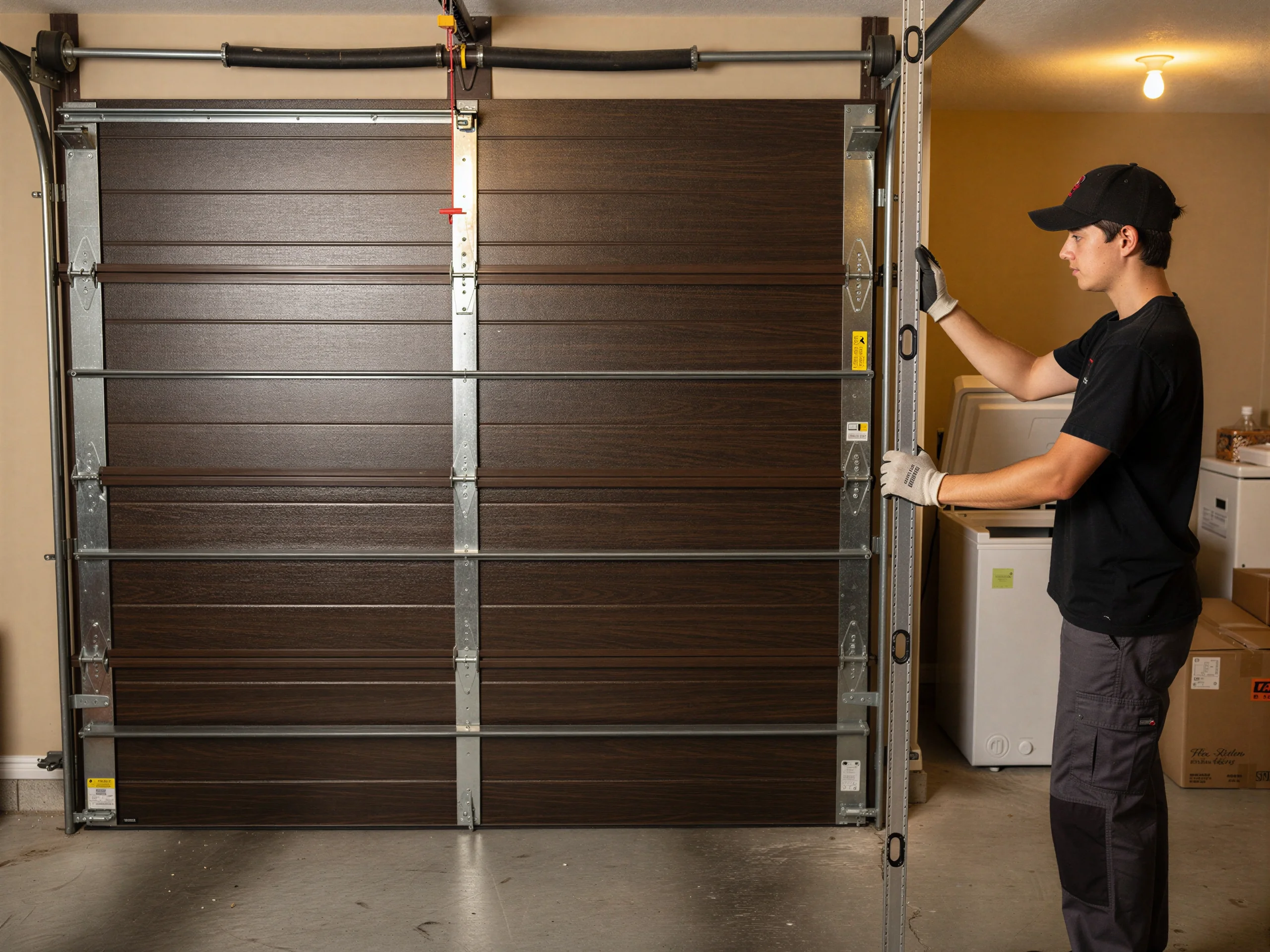
Quarter-inch track misalignment
A track that's a quarter-inch off makes rollers wear unevenly on one side. By the time the door won't open at all, the underlying cause has usually been building for a season or two. Regular maintenance is what catches it at the "sounds different" stage instead of the "stuck shut" stage.
Why This Fails Locally
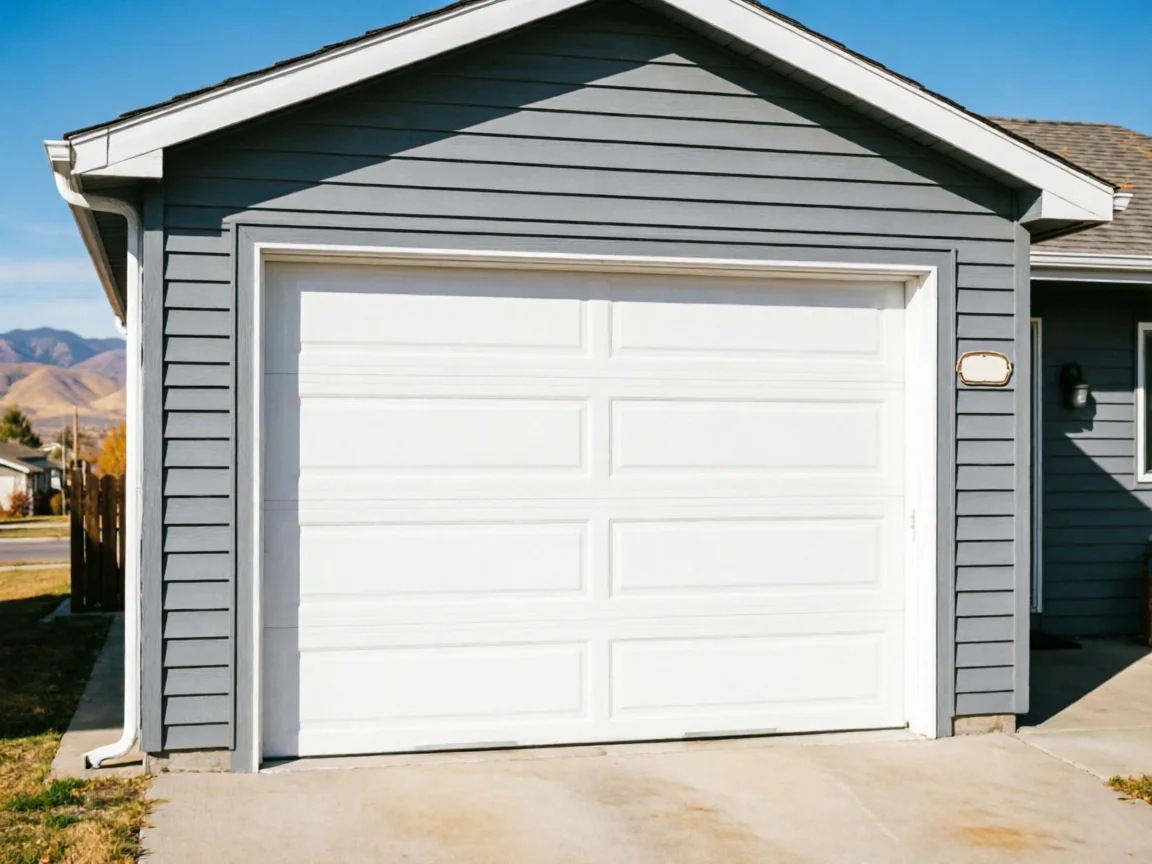
Most of the houses this company services were built between 1975 and 2012, with the bulk of that stock going up through the 2000s across the ten areas we cover.
Aging original equipment
That means a lot of doors and openers out there are original equipment on houses now 15 to 25 years old - old enough for lubricant to have dried out, springs to have cycled tens of thousands of times, and hardware to have never been touched since the builder installed it.
Freeze and thaw swings
The climate does the rest. This is a cold, severe-winter climate band, and torsion springs lose tension faster when they're cycling through hard overnight freezes followed by sharp daytime warm-ups, which is a normal week here. Steel contracts, lubricant thickens, and a spring that was fine in September starts working harder by December.
Dry air brittles rubber
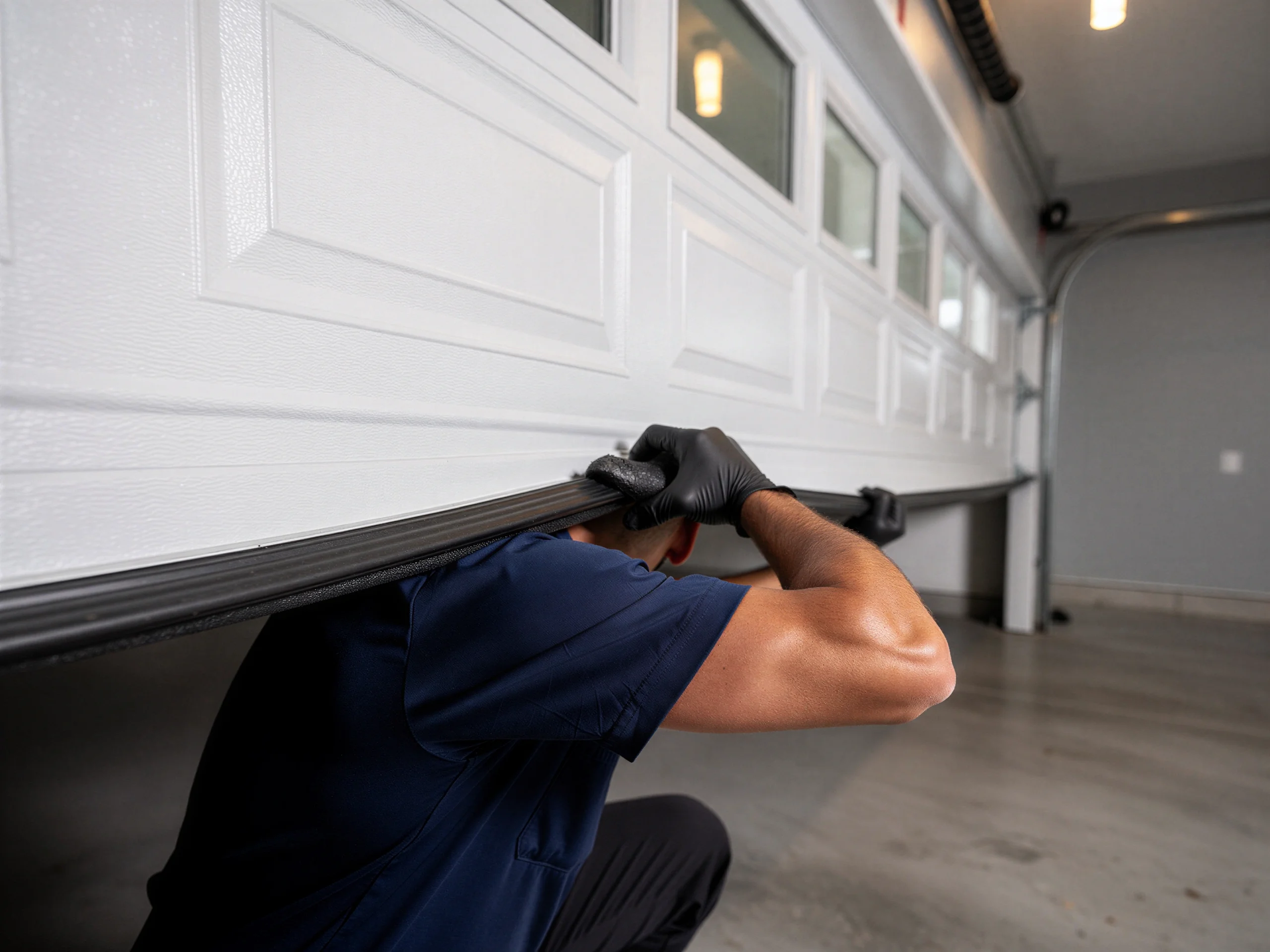
Add the dry air that comes with a continental climate like this one, and rubber weatherstrip and nylon rollers crack and flatten faster than they would in a milder, wetter region. None of this is a defect in any one door - it's what this housing stock and this climate do to garage door hardware over time, across a service area of close to 40,000 households.
Parts We Carry
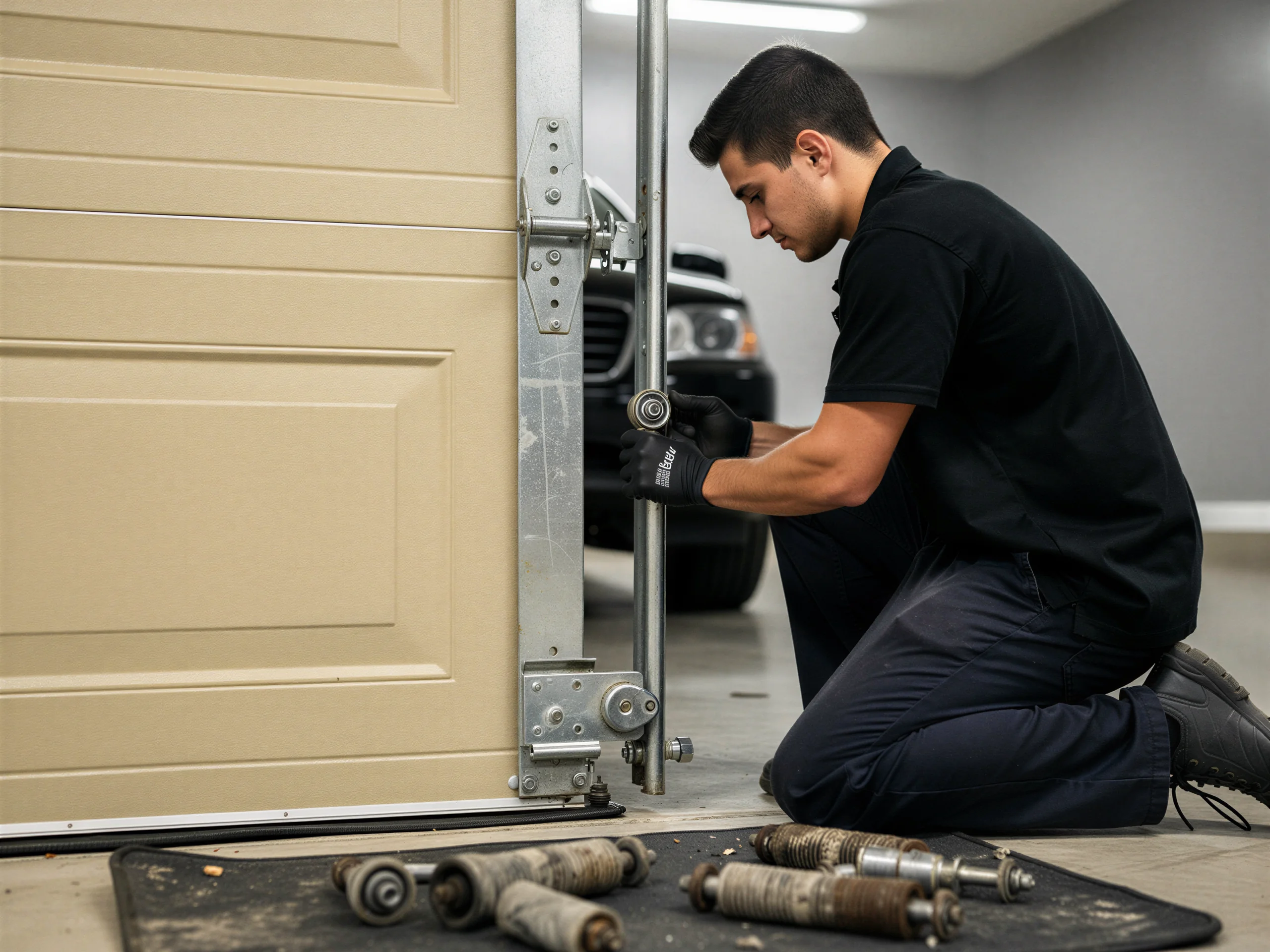
Because most of the doors we work on here are from the same roughly 35-year build window, the parts that fail most are predictable: torsion springs sized for standard residential doors, nylon and steel rollers, galvanized lift cables, and weatherstrip in the common track widths used across that era of construction. We stock what covers the bulk of that stock, not a warehouse of every part ever made.
The honest limitation here: if a house has an older or unusual door - wood panel, a non-standard track width, or hardware from before the main building boom in this area - we may need to order that part rather than carry it on the truck. We'll tell you that up front on the call rather than quote a fix we can't finish that day.
What the Fix Involves
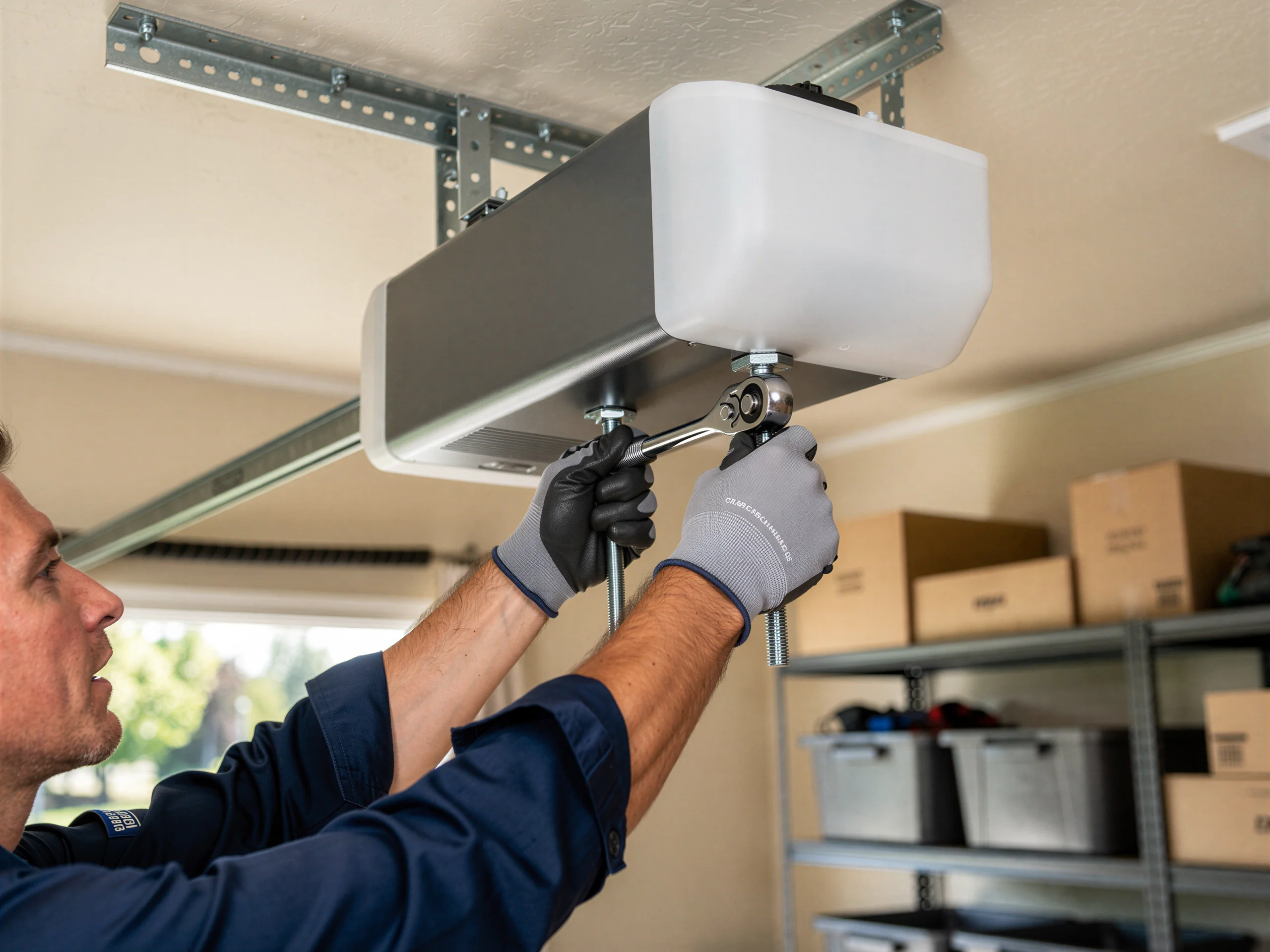
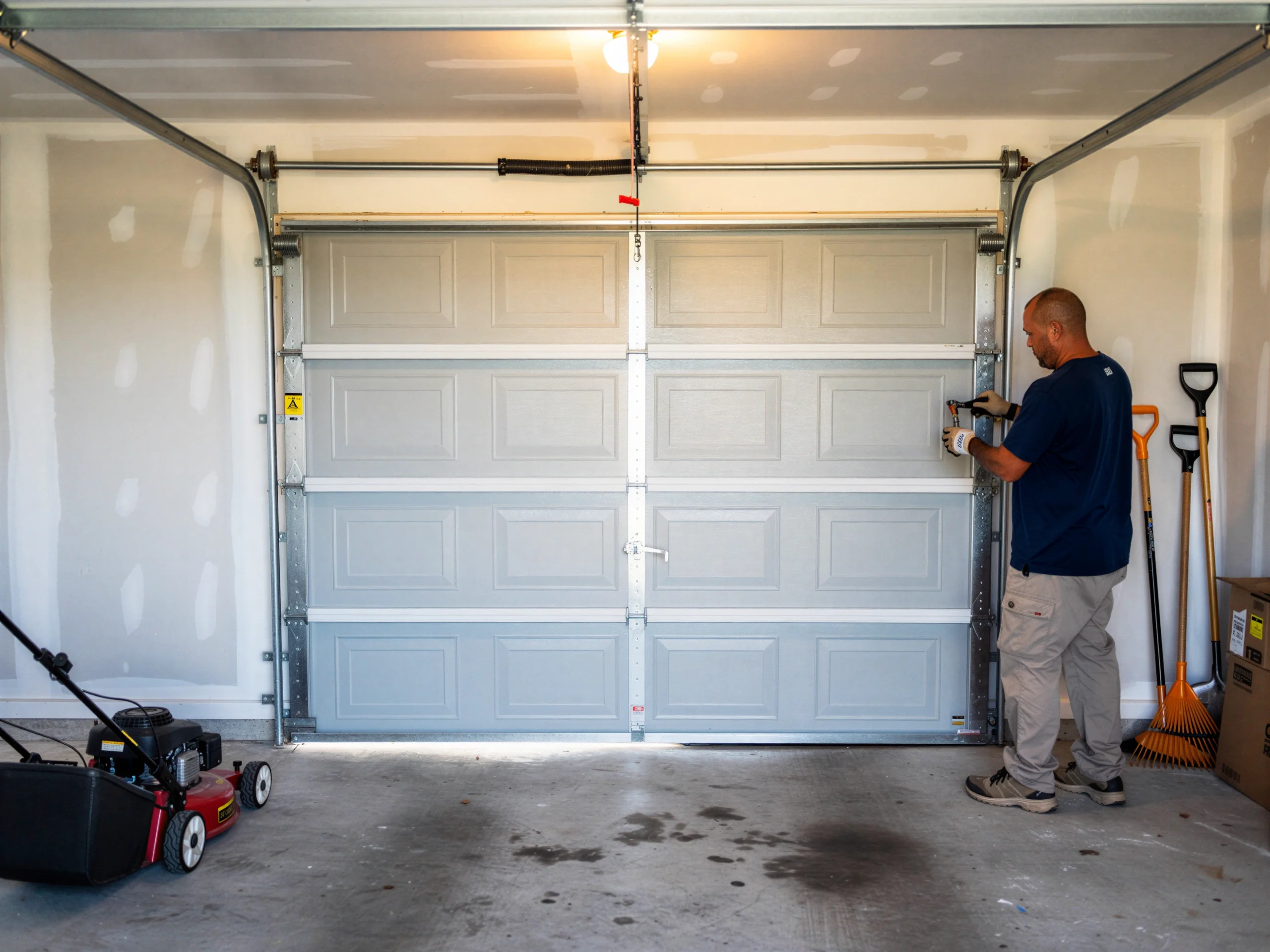
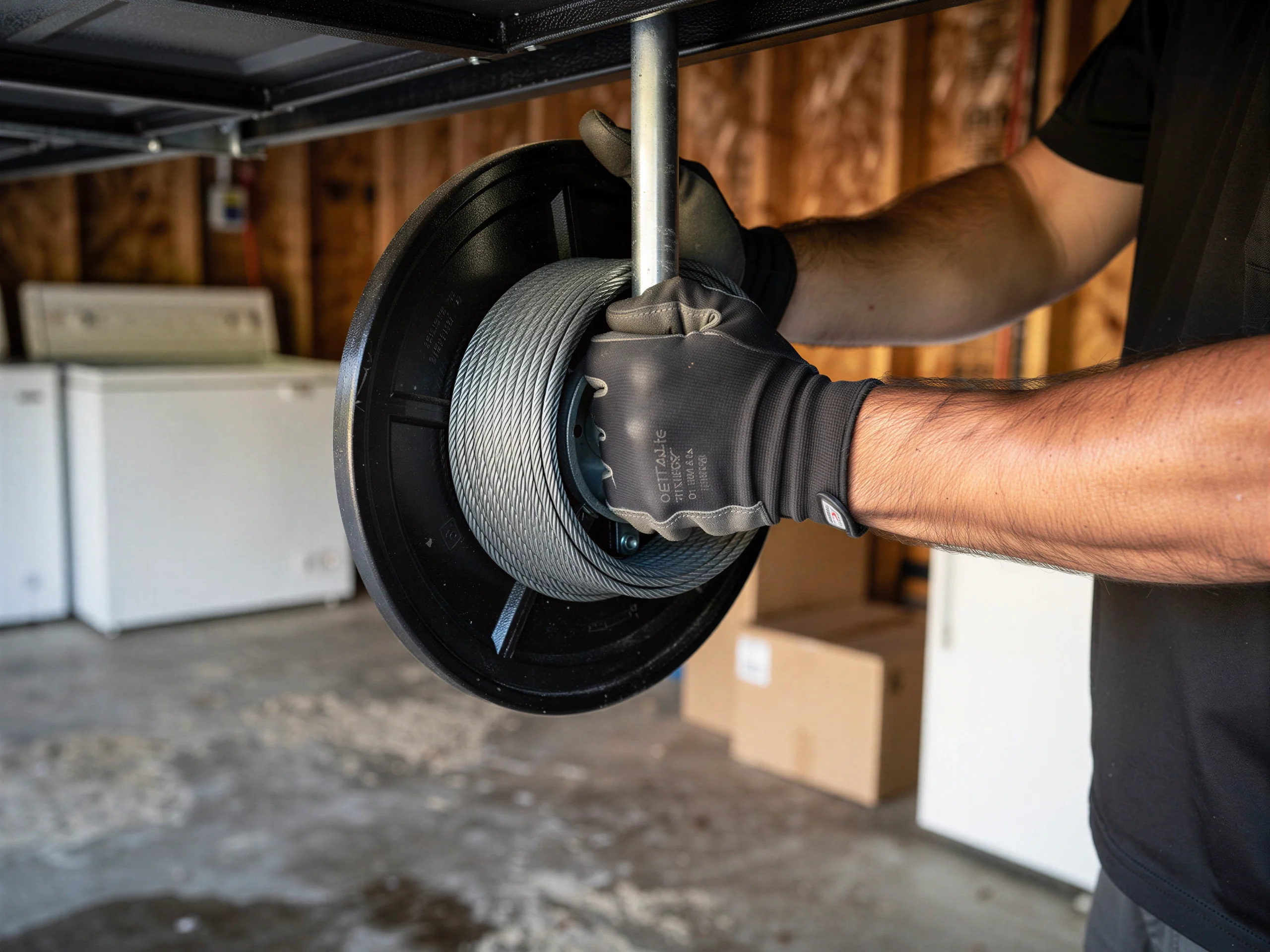
A maintenance visit starts with checking spring tension and balance, since an unbalanced door is the root cause behind most of the other symptoms. From there it's track alignment, roller condition, cable wear at the drum, and the opener's force and limit settings - all things that drift out of spec from thousands of open-close cycles, not from one dramatic failure.
We lubricate the moving metal parts, tighten hardware that's worked loose, and replace anything that's visibly cracked, frayed, or flattened rather than waiting for it to fail mid-cycle. On a household income base like this service area's median of just over $105,000, most owners we talk to would rather spend on a maintenance visit now than an emergency call later, and that's really what this service is for: catching the spring, roller, or cable before it strands the door shut.
Talk to a local pro
Garage door service in Fort Collins?
Same-day service with honest, upfront quotes.