The Symptom
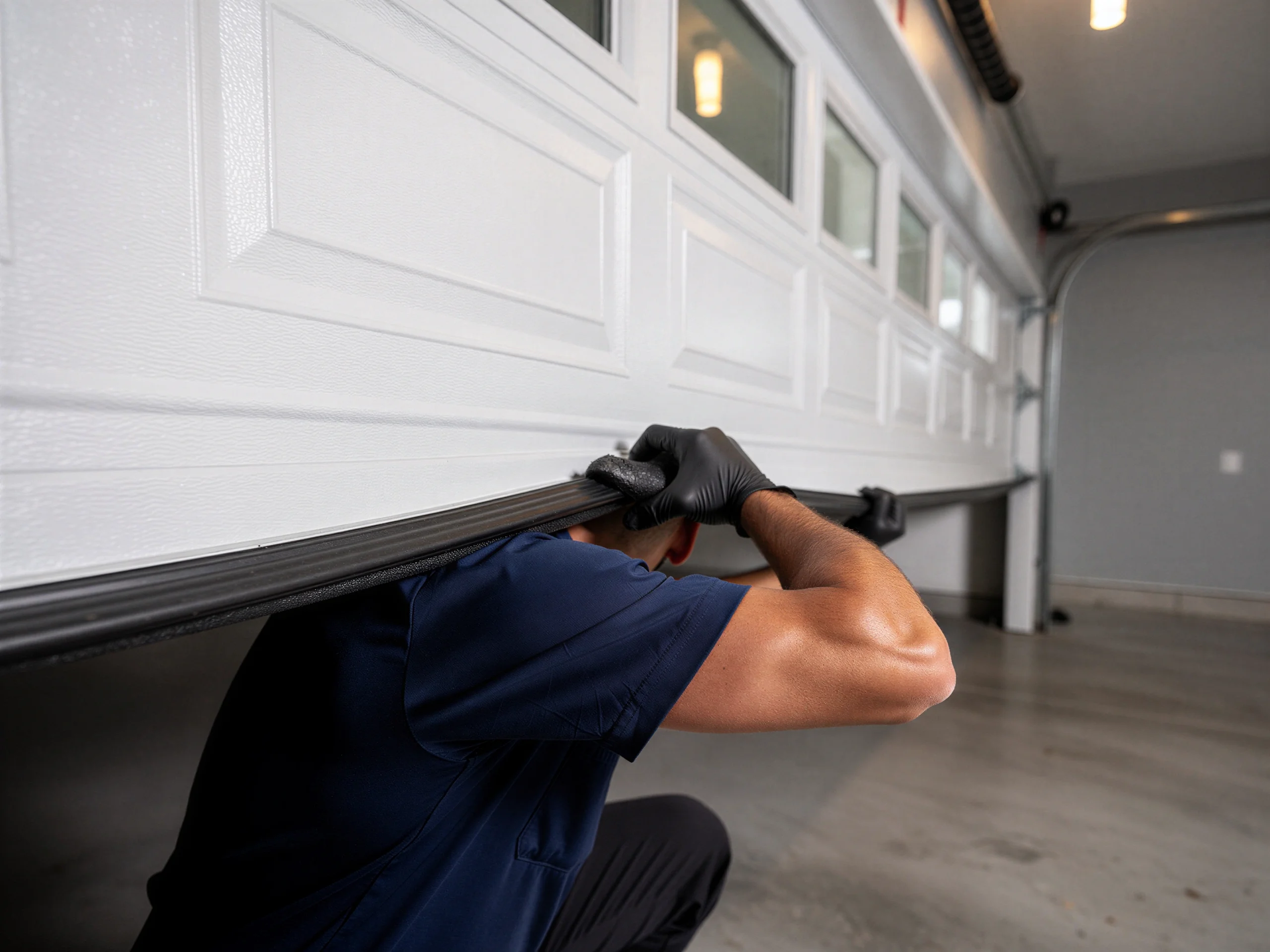
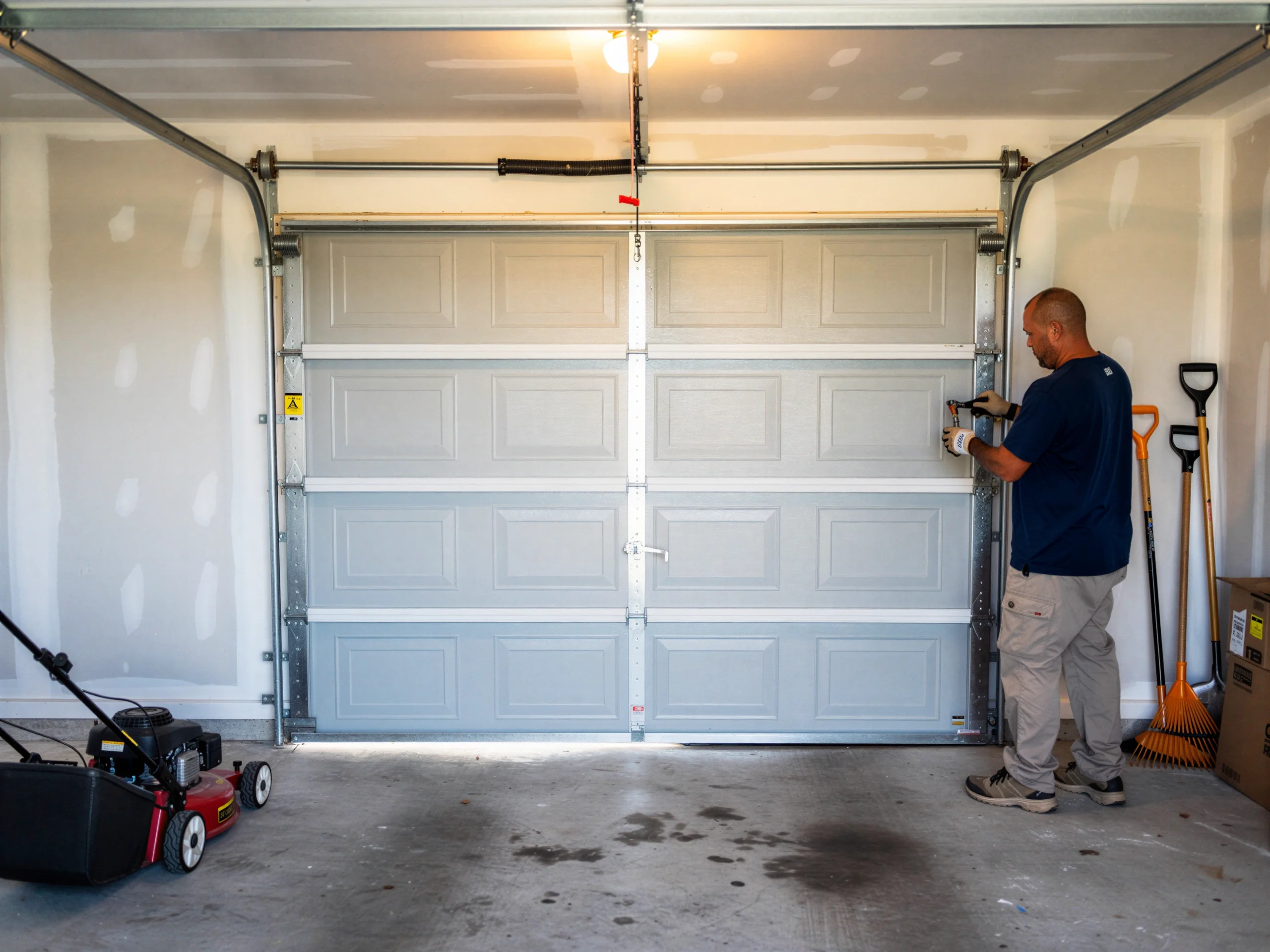
The door still opens and closes, but it takes more effort than it used to. The opener strains on cold mornings. Panels have started to dent or bow near the bottom, and the weather seal at the base has cracked and pulled away from the track.
Original door nearing install
None of that is an emergency yet, but it's the usual lead-up to an installation call rather than a repair call, especially once a homeowner realizes the door itself is original to the house. In a lot of Fort Collins neighborhoods, that original door is older than most people think.
Build-era housing timeline
Housing in the service area was built mostly between 1975 and 2012, with the median build year landing around 2005, and most of the stock across the ten named areas we work in is from that 2000s wave.
Past the point of parts
A door installed when a house was built in 2003 or 2005 is now past the point where new springs or a new opener motor make sense on their own. The track alignment, the panel gauge, and the insulation all reflect a build-code standard that's two decades old.
Why This Fails Locally
Fort Collins sits in a cold, severe climate band, and that matters more for garage doors than people expect. A door built to the mid-2000s standard typically carries lighter insulation and thinner steel than what's sold now, because the energy code at the time didn't ask for much more. Twenty winters of hard freeze-thaw cycling on that panel steel and that seal rubber is what produces the bowing and the gap at the bottom track.
It's not that Fort Collins gets uniquely brutal weather - it's that so much of the local housing stock is the same age, built to the same spec, in the same short window. When a house went up in that 2000s run, the garage door that came with it is now hitting the same wear point as thousands of others nearby. That's why installation calls cluster by neighborhood age rather than by random chance: whole blocks built in the same five-year stretch start failing in the same five-year stretch.
Parts We Carry
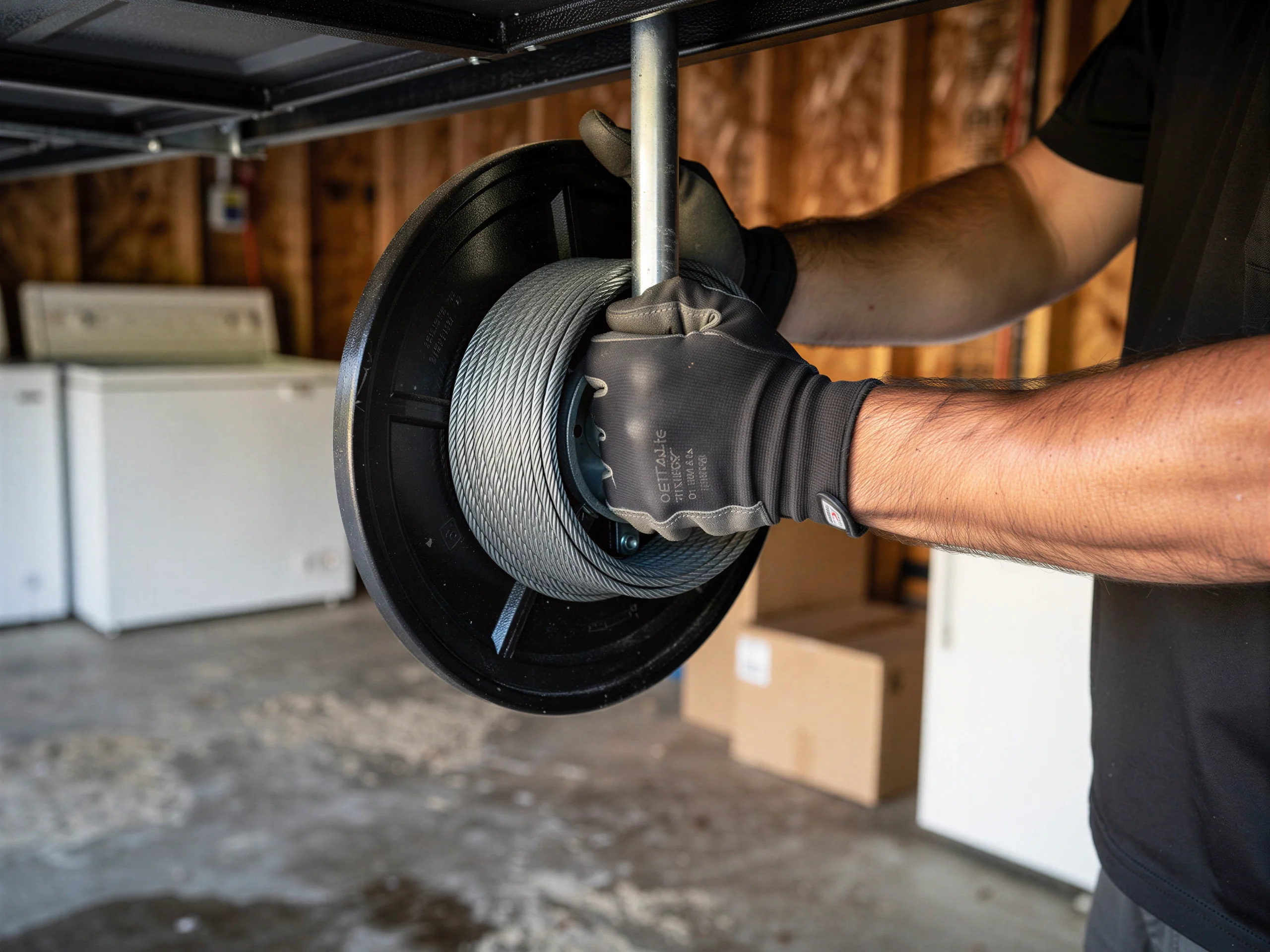
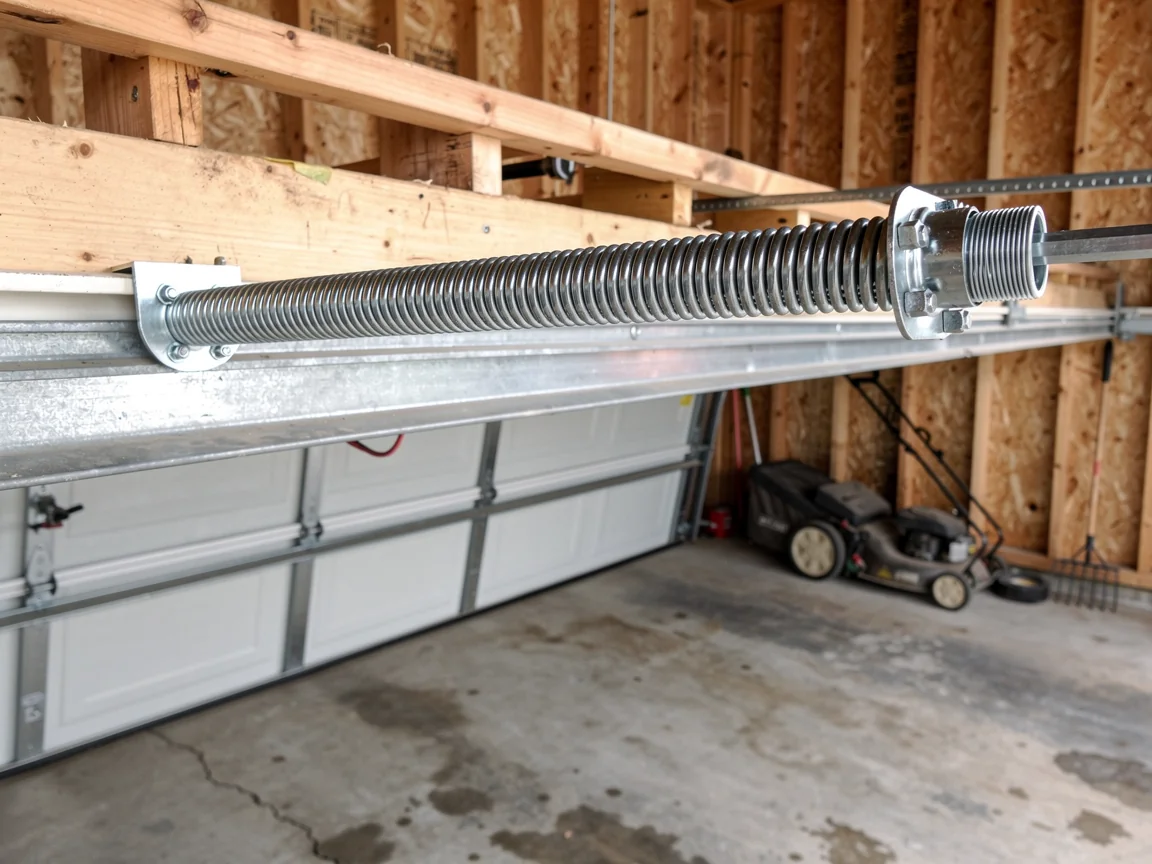
For installation jobs tied to this housing stock, we carry insulated steel panel doors sized for the openings common in 2000s-built garages, along with torsion spring sets rated for the heavier insulated panels - lighter springs from the original build often can't handle a properly insulated replacement door without binding.
We also stock weather seal kits built for cold-climate gaps, since the factory seal on a door from that era is usually the first thing to fail and the easiest to underestimate. One honest limit here: specialty widths and custom color panels aren't something we keep on the truck. Those are special-order, and lead time depends on the manufacturer, not on us.
What the Fix Involves
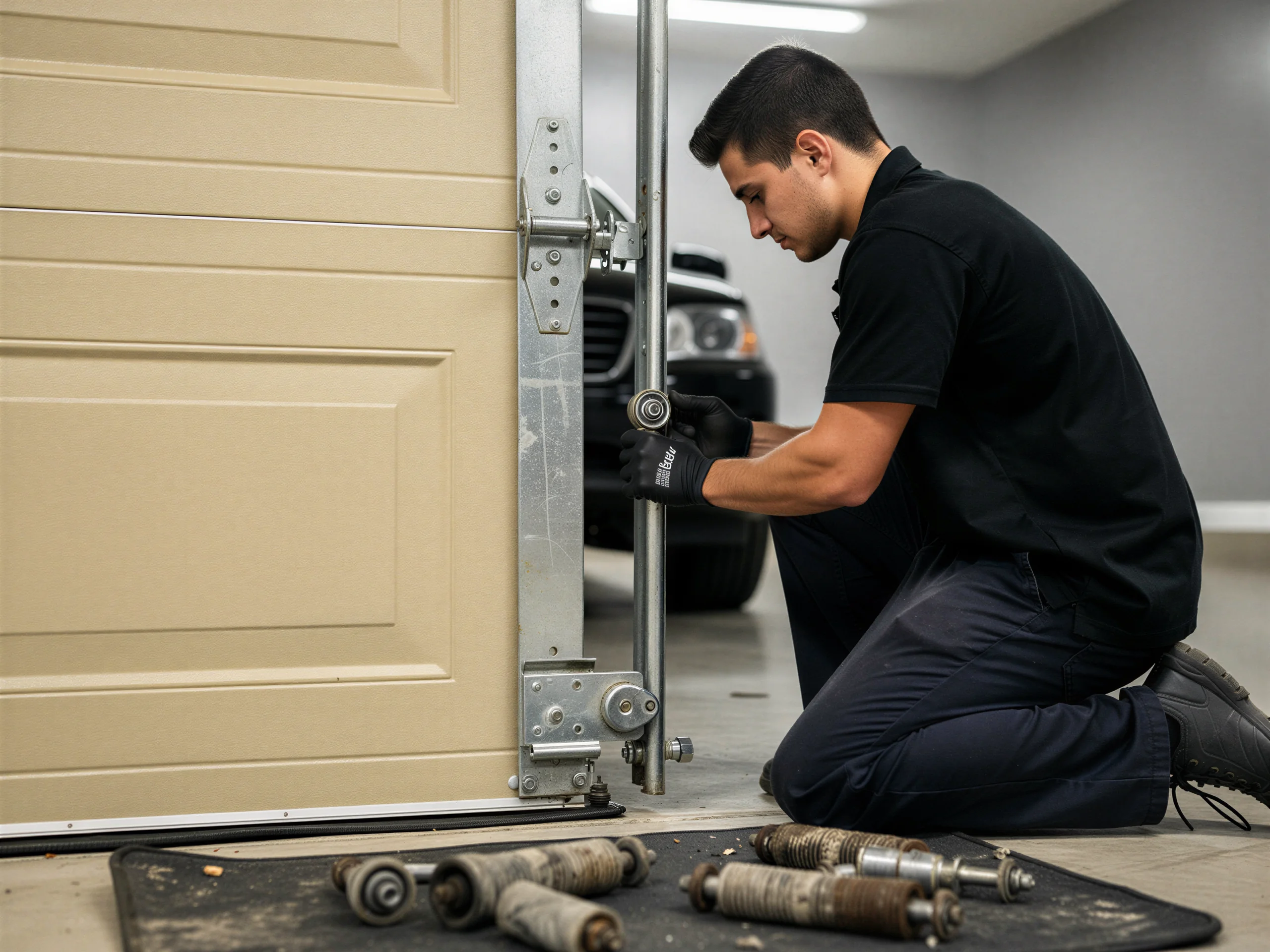
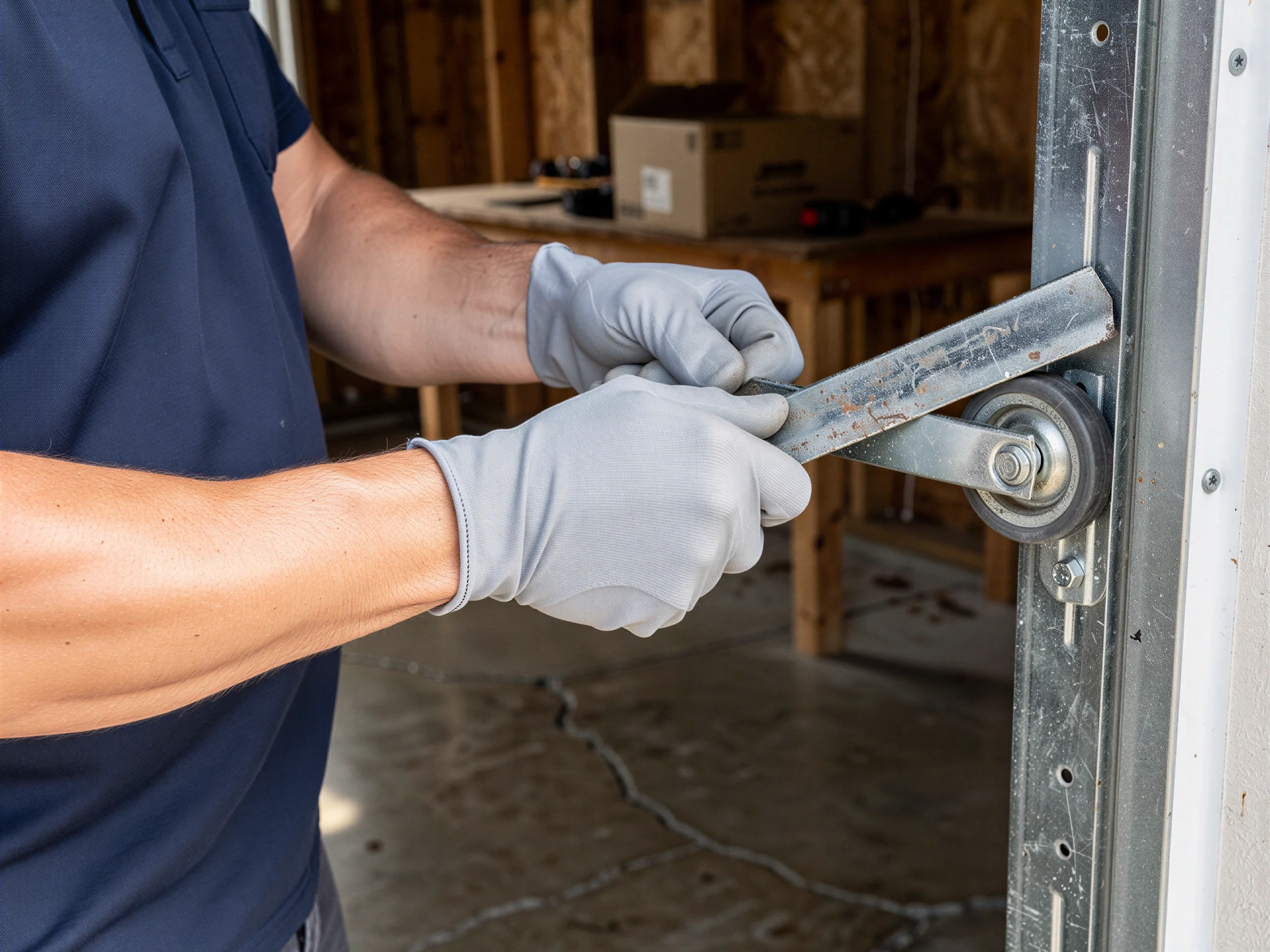
A full installation starts with pulling the old door, track, and springs as one unit rather than trying to reuse any of it - mixing an old track with a new door is how you end up with binding six months later.
Squaring and anchoring track
We square and re-anchor the track to the opening, since houses from the 2000s often settled slightly over the past fifteen-plus years and the original anchor points aren't always true anymore.
Full weather seal swap
From there it's panel installation, torsion spring tensioning sized to the new door's weight, and a full weather seal replacement at the base and sides - the part that actually earns its keep once the severe cold sets back in.
Force limits set last
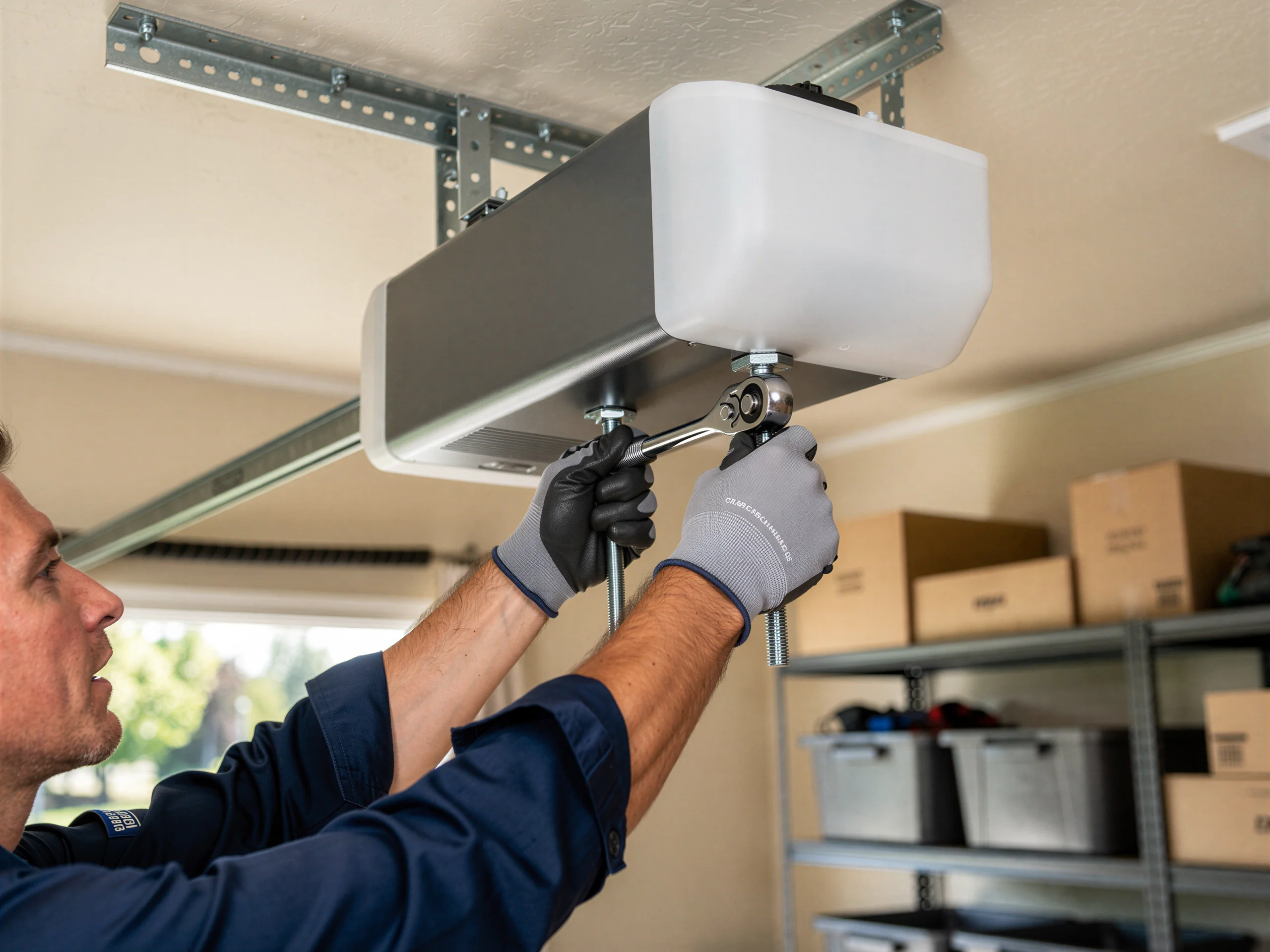
We test the balance and opener force setting last, since an insulated panel door weighs differently than the original and the opener's force limits need to match it, not the factory default.
Talk to a local pro
Garage door service in Fort Collins?
Same-day service with honest, upfront quotes.