The Symptom
Johnstown's median household income runs $130,851, well above the $105,017 median across the wider service area we cover. That number matters more than it sounds like it should, because it sets where the repair-or-replace line falls.
Replace rather than patch
At this income level, a lot of homeowners we talk to would rather pay for a new insulated steel door with a matched opener than keep patching a ten-year-old unit, and that's often the right call once a torsion spring and a worn opener board fail in the same year.
Newer 2007 housing stock
Most houses in Johnstown were built around 2007, which puts the housing stock on the newer end of what we see across the area. That means fewer of the old wood-panel doors with sagging hinges we fix elsewhere, and more insulated steel doors on factory openers with circuit boards instead of simple relay logic.
Travel limit not triggering
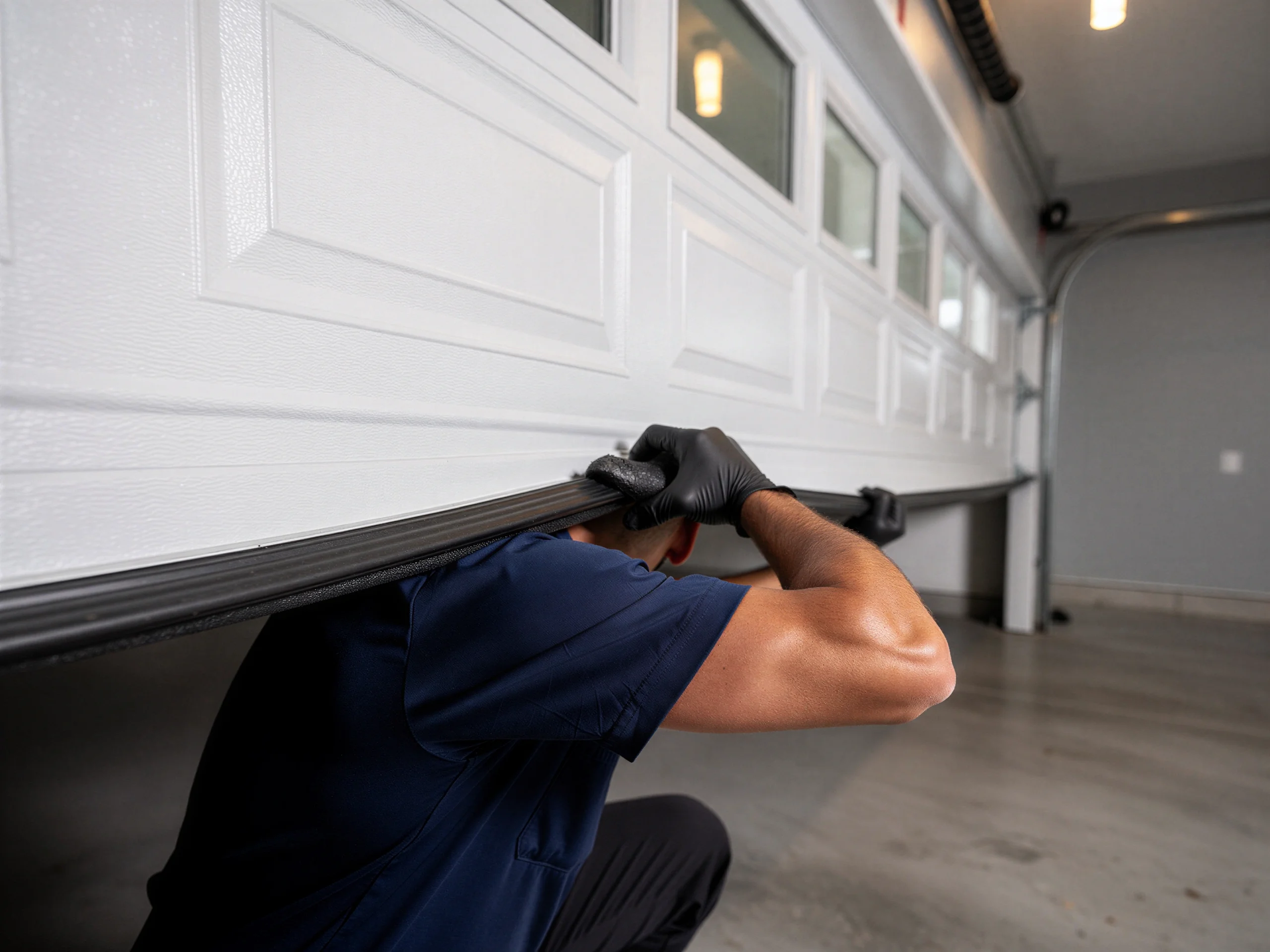
The common symptom here isn't a door that won't lift - it's an opener that runs the motor but won't trigger the travel limit, or a safety sensor pair that's gone out of alignment on a door heavier than the springs were ever meant to carry long-term.
Booking a Visit
We run this job from Fort Collins, about 18 miles out. There's no branch or drop box in Johnstown, so when you call, we're scheduling a truck trip, not a walk-in counter.
Share age and brand
That's worth knowing up front because it means we try to get everything we might need loaded before we leave, which is only possible if you can tell us the door's age, brand, and what it's doing (or not doing) when you call.
Traffic changes arrival windows
We don't promise a same-day slot just because the town is close. Eighteen miles on I-25 at 7am is a different trip than the same stretch at 2pm, and we'd rather give you an honest window than a number we miss.
Missing parts add days
If the job turns out to need a part we don't carry, that adds a day or two on top of the drive, and we'll tell you that on the phone, not after we've already been to the house once.
Where This Job Goes Sideways
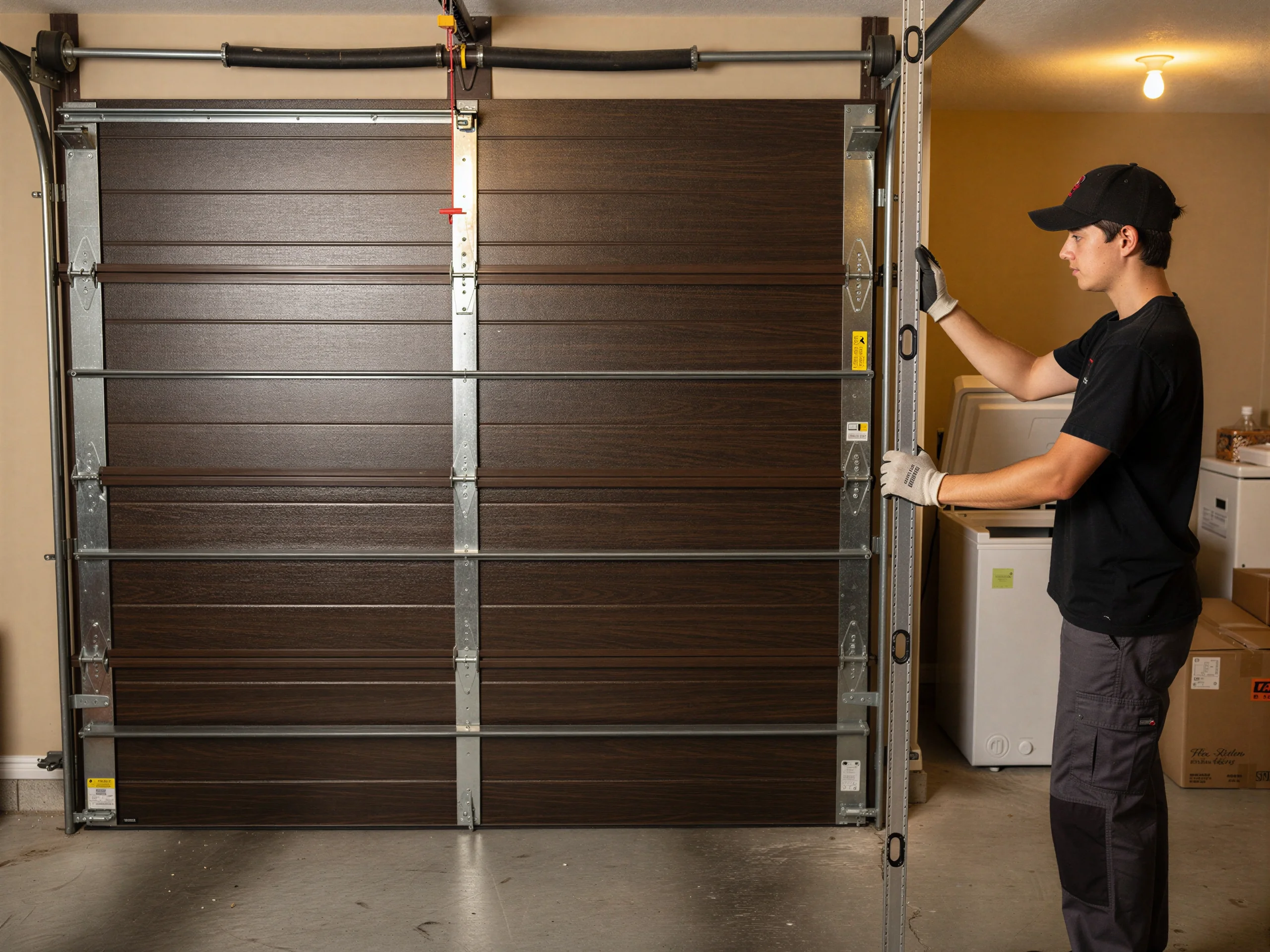
The newer build era works against you in one specific way: insulated steel doors are heavier than the single-layer doors they replaced, and a lot of them were installed with springs sized for the door's weight at install, not for ten-plus years of lubricant breakdown in a cold-severe climate.
High-tension spring hazards
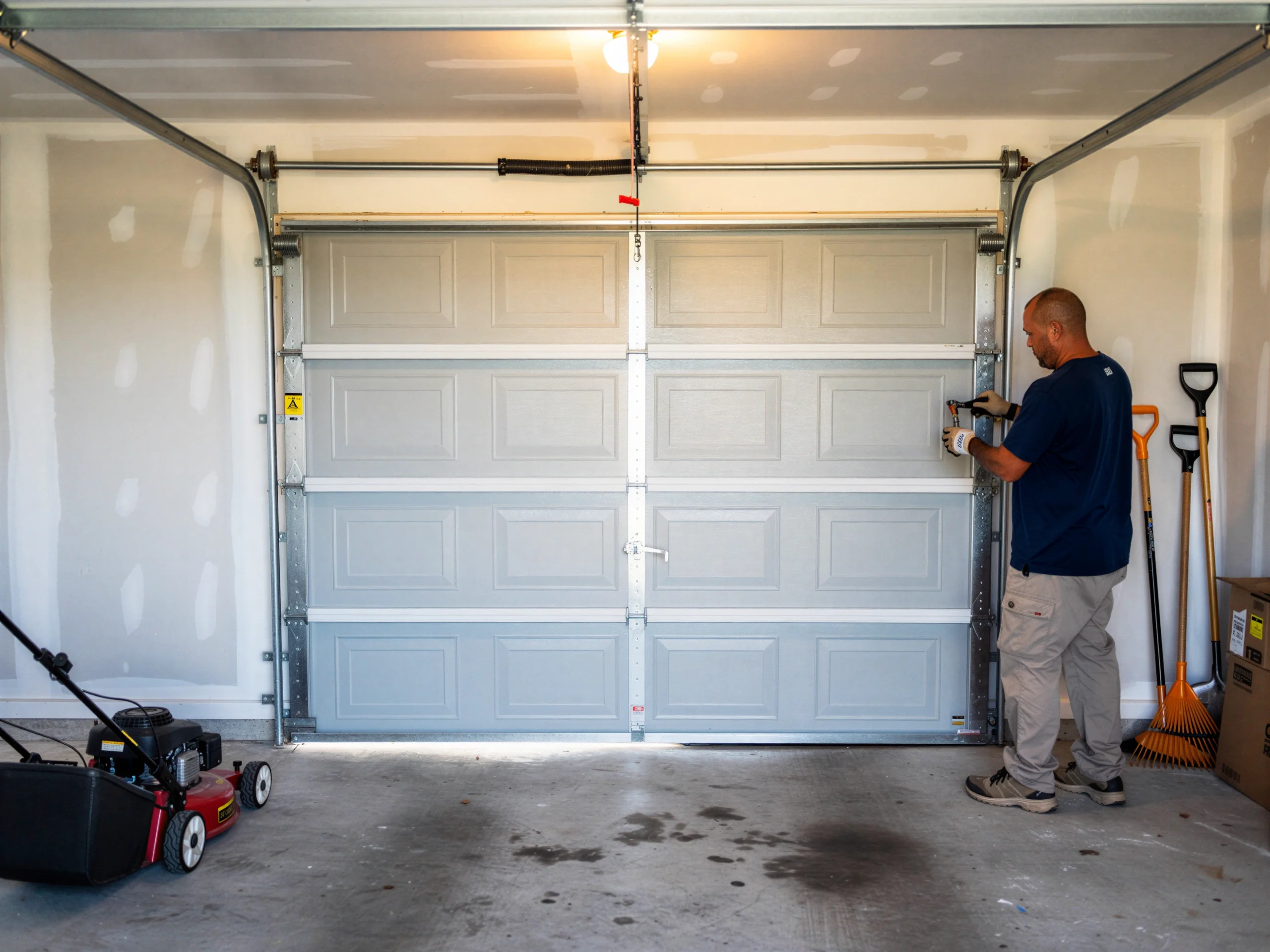
When a spring finally lets go on one of these doors, it's often under more tension than an older lightweight door would have carried, and that's not a repair to attempt without the right bar and a clear idea of the door's cycle count.
Proprietary opener protocols
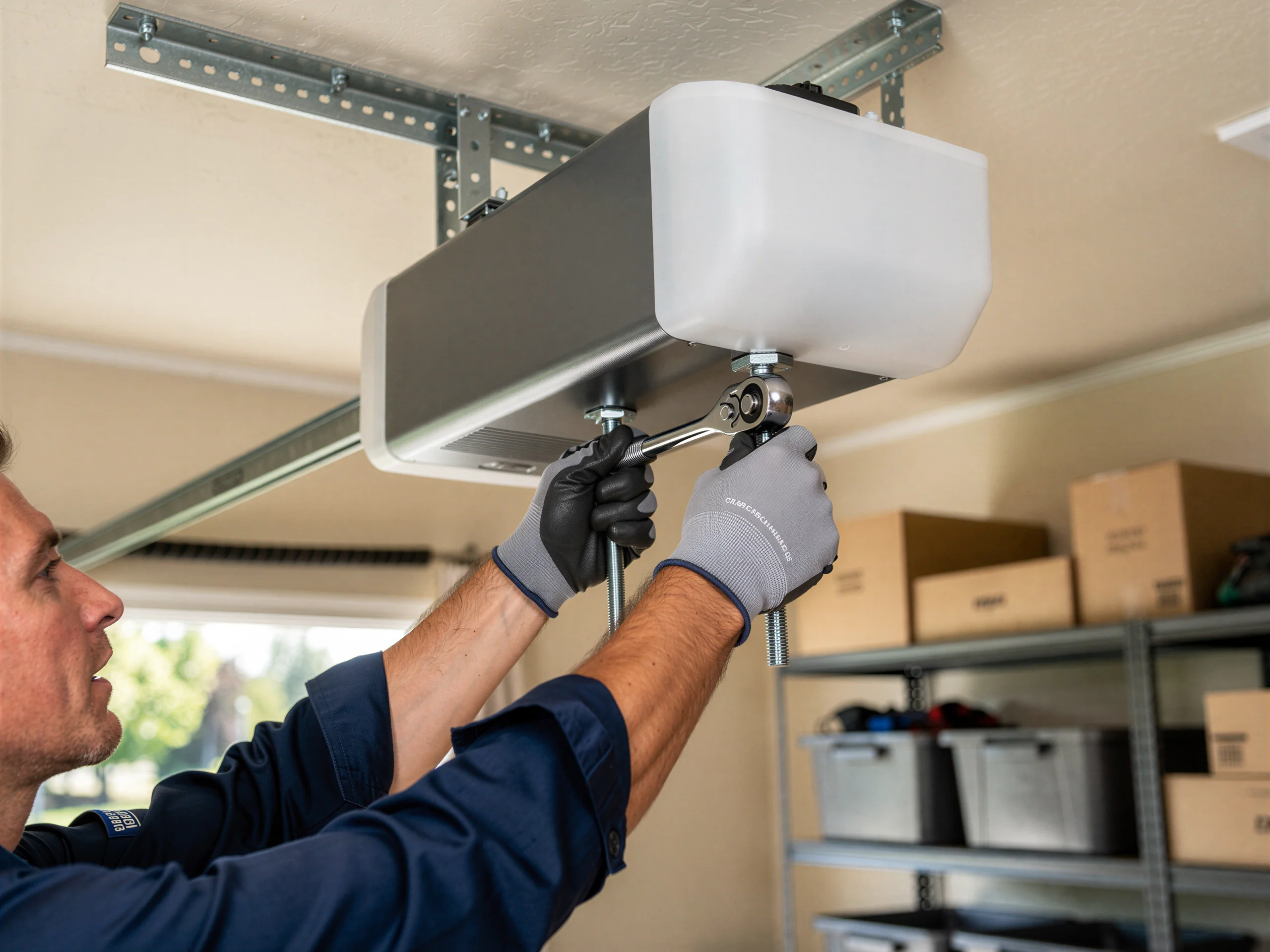
The other place this goes sideways is the opener. A 2007-era door built with a factory-matched opener sometimes has a proprietary circuit board or remote protocol that the manufacturer has since discontinued.
Old board compatibility gaps
We can diagnose the fault fast - bad board, bad sensor, bad logic board ground - but matching a sixteen-year-old opener to a current replacement part isn't always a same-visit fix, and we won't tell you it is just to get the job booked.
What the Fix Involves
We start by testing the opener's travel and force settings before touching the spring, because on insulated steel doors the two faults often get blamed on each other.
Measuring wire and wind
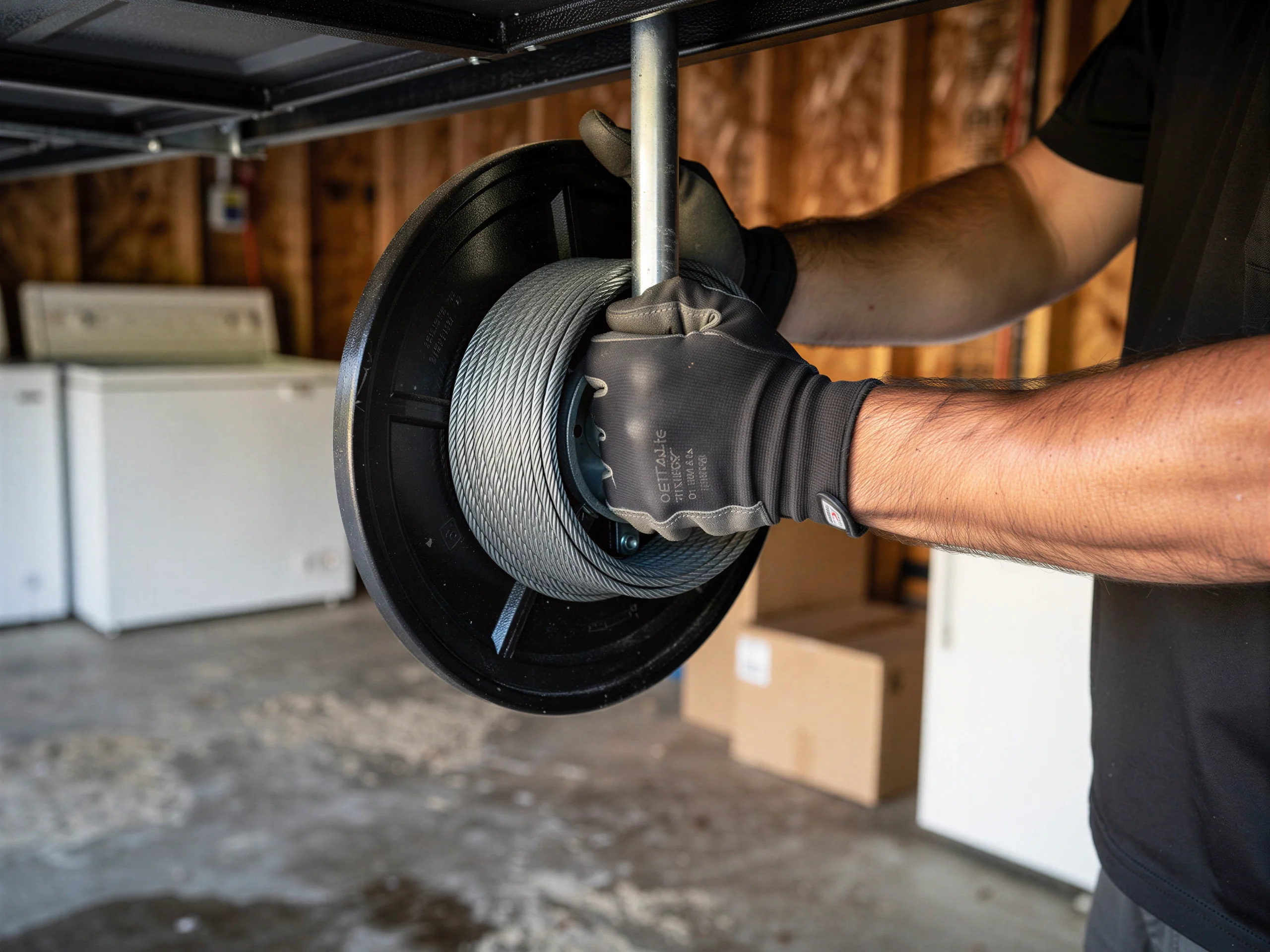
If the spring is the problem, we measure wire diameter and wind against the door's actual weight rather than assuming the original install got it right - a lot of these doors were sized for a showroom sample, not for Colorado winters.
Cold hardening rollers and cables
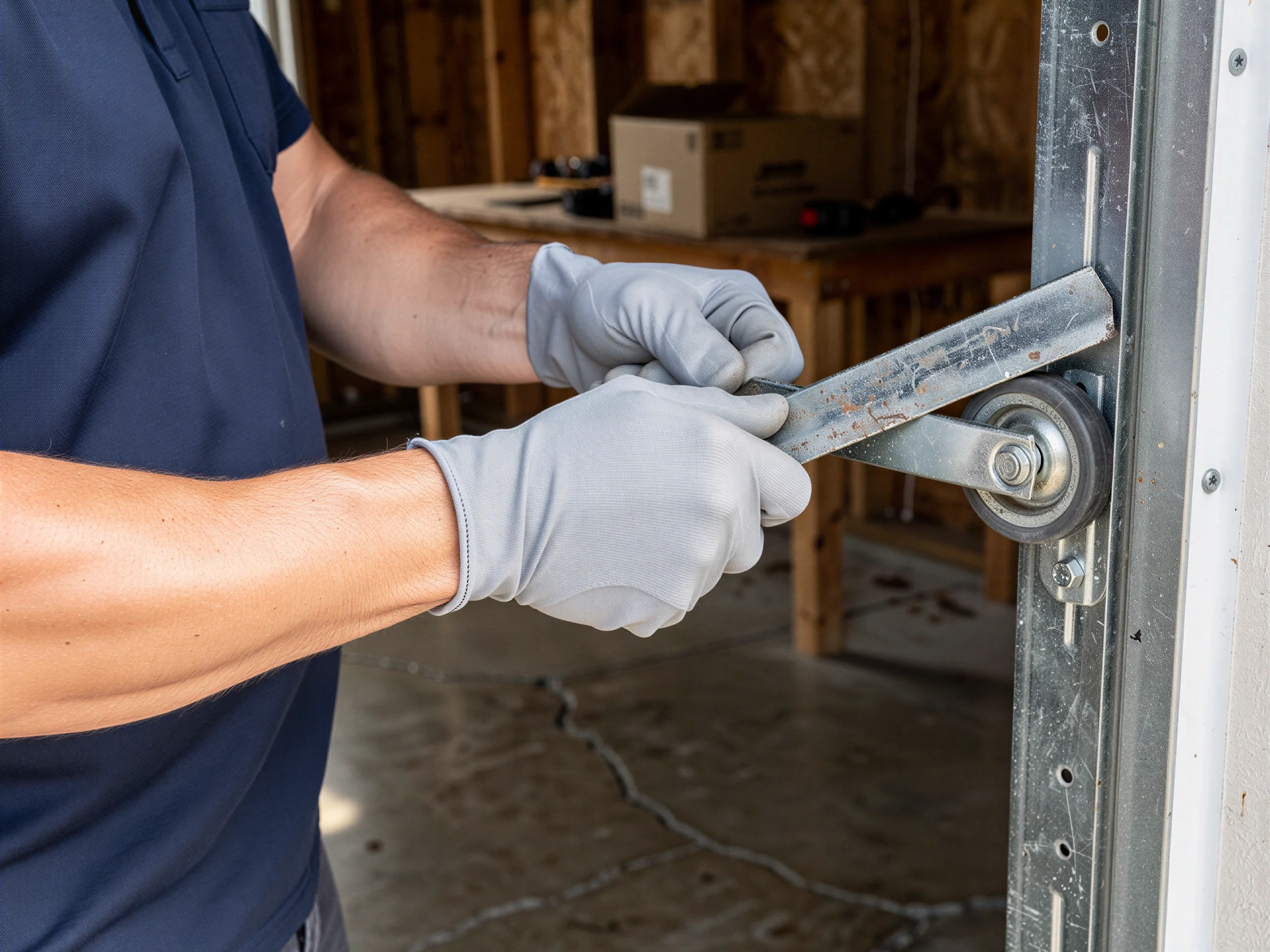
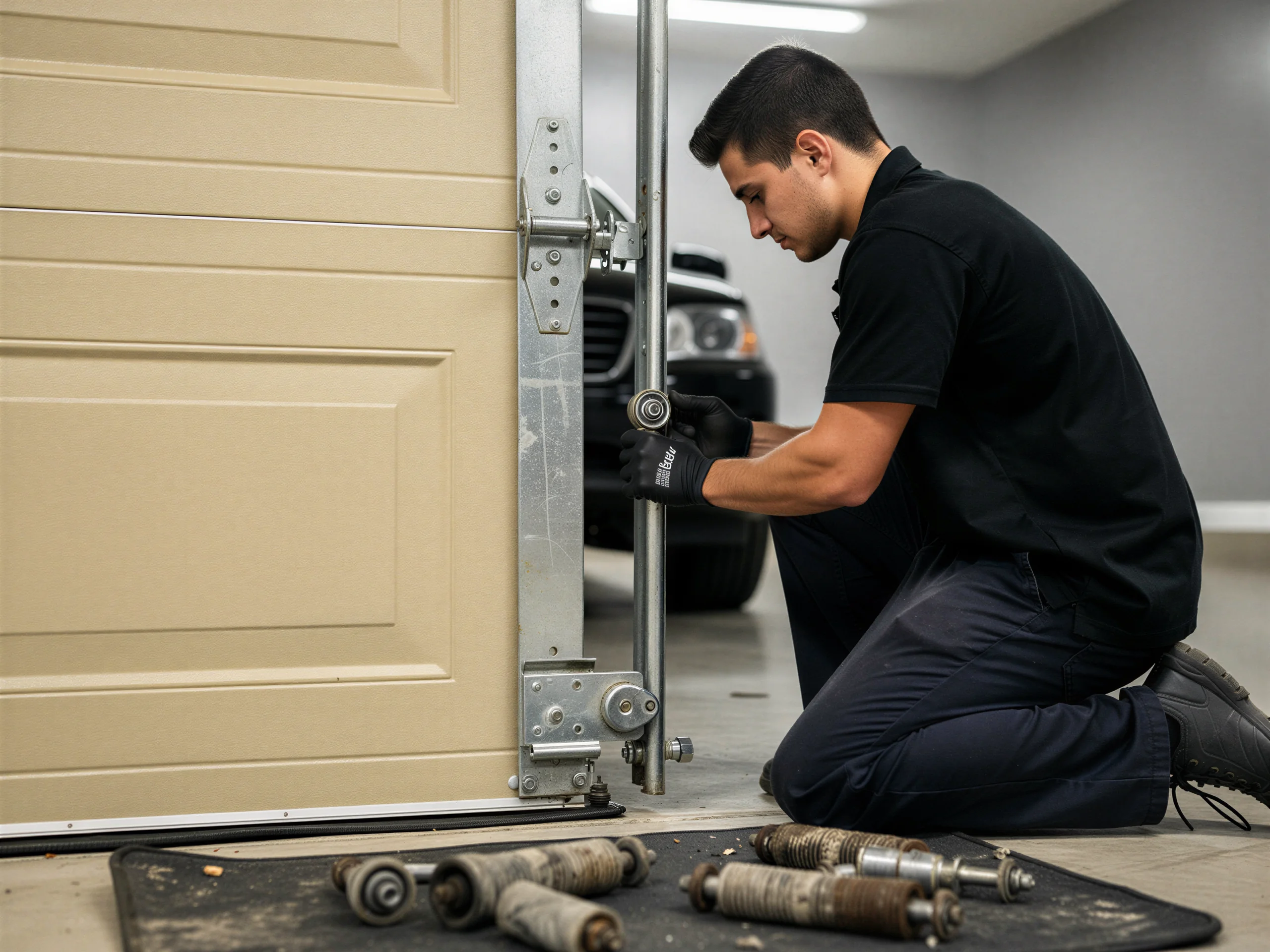
For cable and roller wear, cold-severe climates harden nylon rollers and stiffen lift cables faster than a mild climate would, so we check both even if neither was the reason you called.
Loose ground blamed wrongly
If the opener board is the fault, we test the logic board ground and the sensor pair before assuming the board itself is bad - a loose ground wire gets blamed for a dead board more often than you'd think. We'll show you what failed before we replace it.
Parts We Carry
On the truck we carry a working range of torsion springs across common wire sizes, extension springs, lift cables, rollers in both nylon and steel, and standard safety sensor pairs. That covers the bulk of what fails on a 2000s-era insulated steel door.
What we don't carry is every proprietary opener circuit board for every brand sold in this era - some of those are special-order parts even from the manufacturer, and we're not going to pretend we can pull one out of a bin on the truck. If your opener needs one, we'll order it and tell you the real timeline instead of guessing low.
How Long You Are Without the Door
If the fault is a spring, cable, or roller, we fix it in one visit once we're on-site - those are stocked parts. If it's a sensor or standard relay-type opener issue, same thing, one visit.
If the fault traces back to a discontinued circuit board, you're looking at the order lead time plus the 18-mile return trip, which can run several days depending on the part's availability from the manufacturer. We'll give you a number once we know which board it is, not before.
Talk to a local pro
Garage door service in Fort Collins?
Same-day service with honest, upfront quotes.