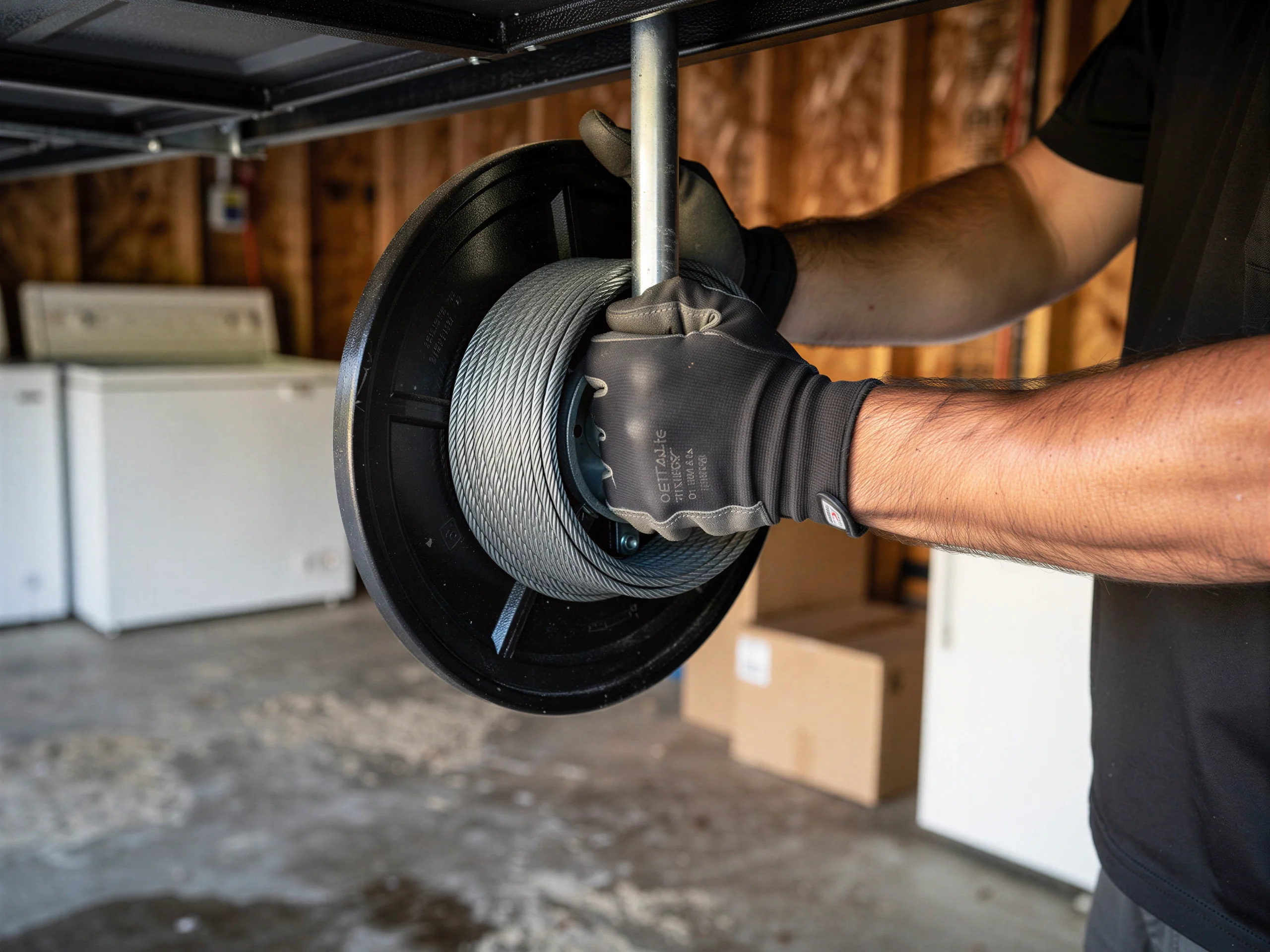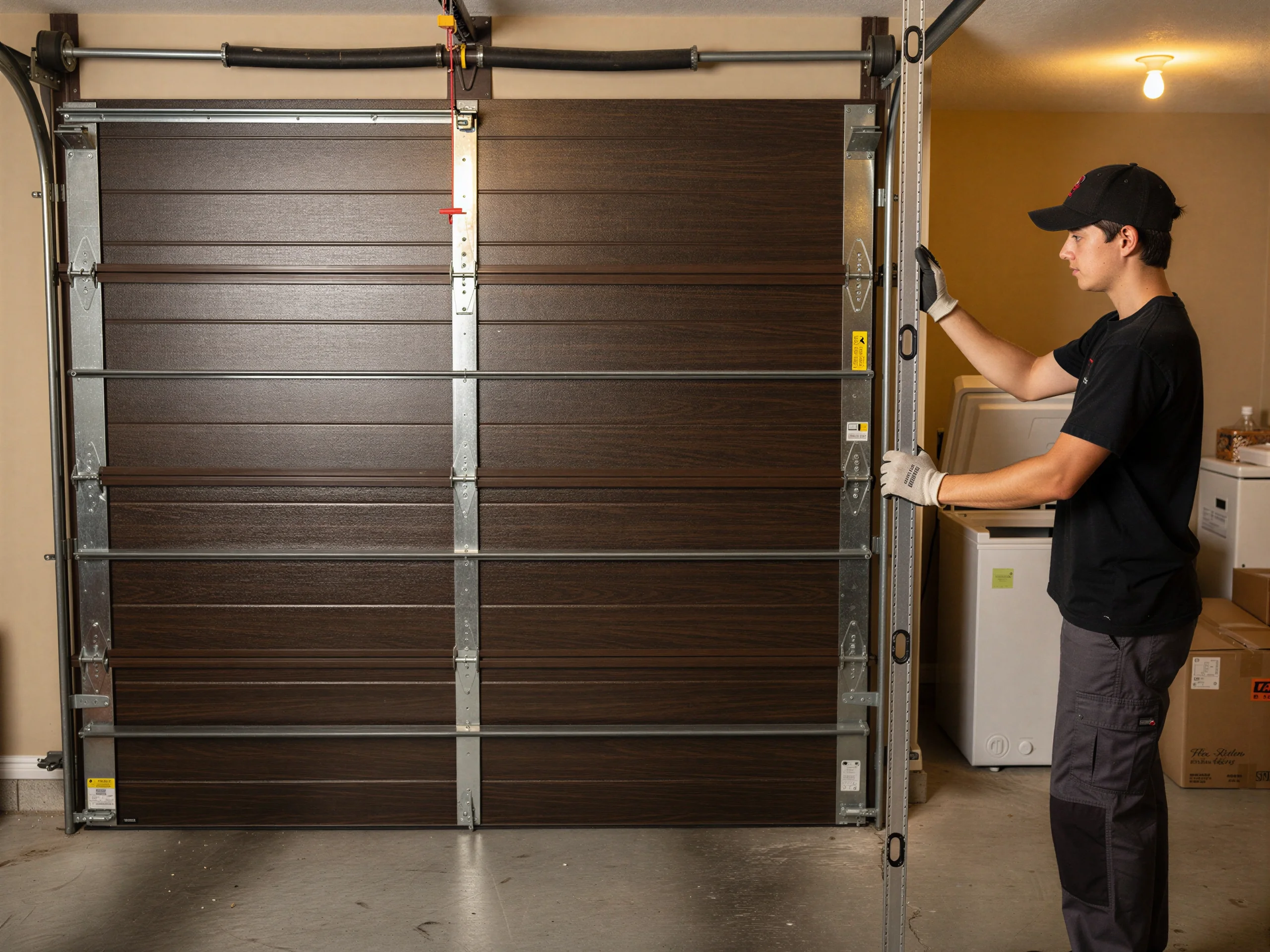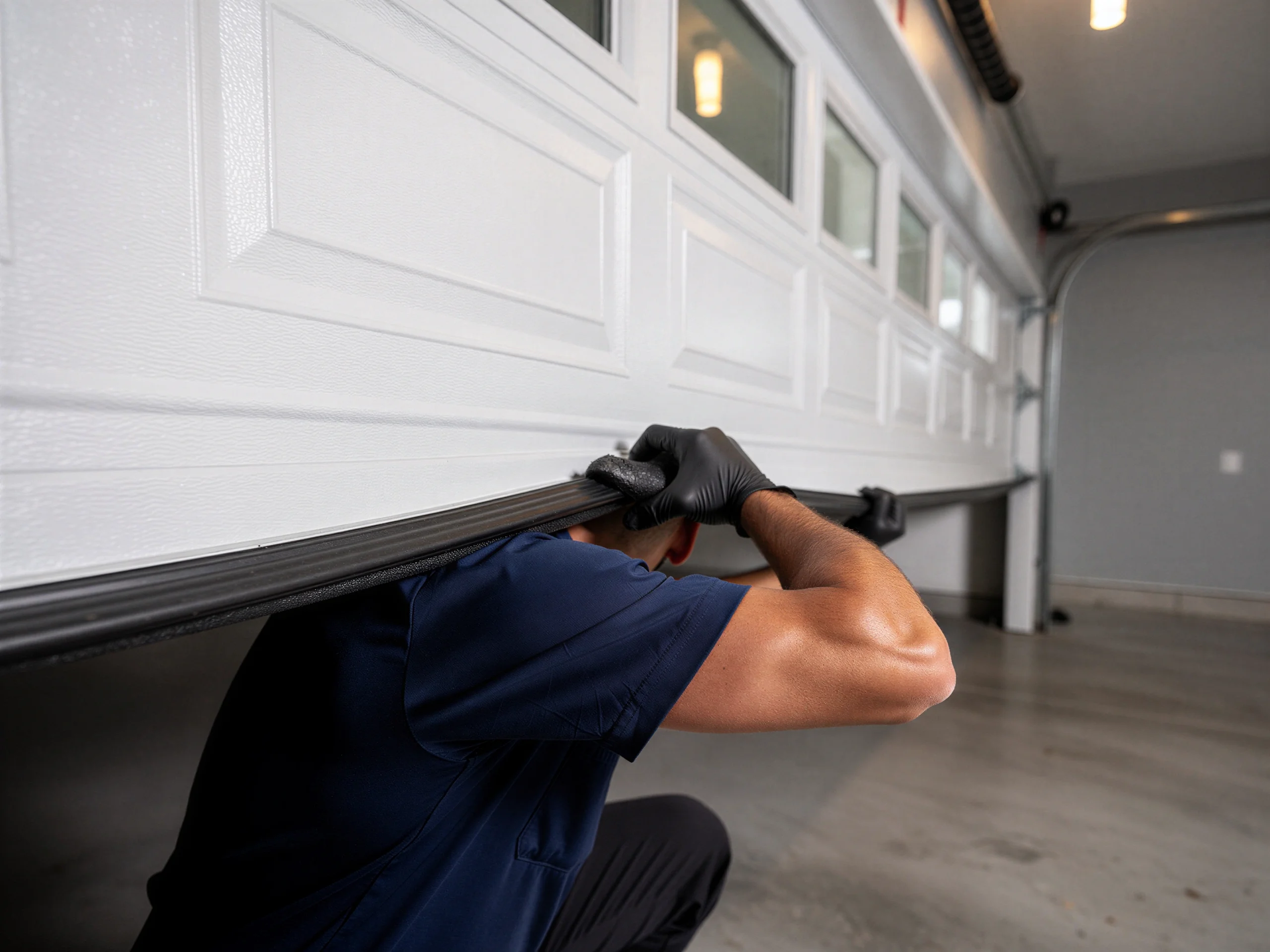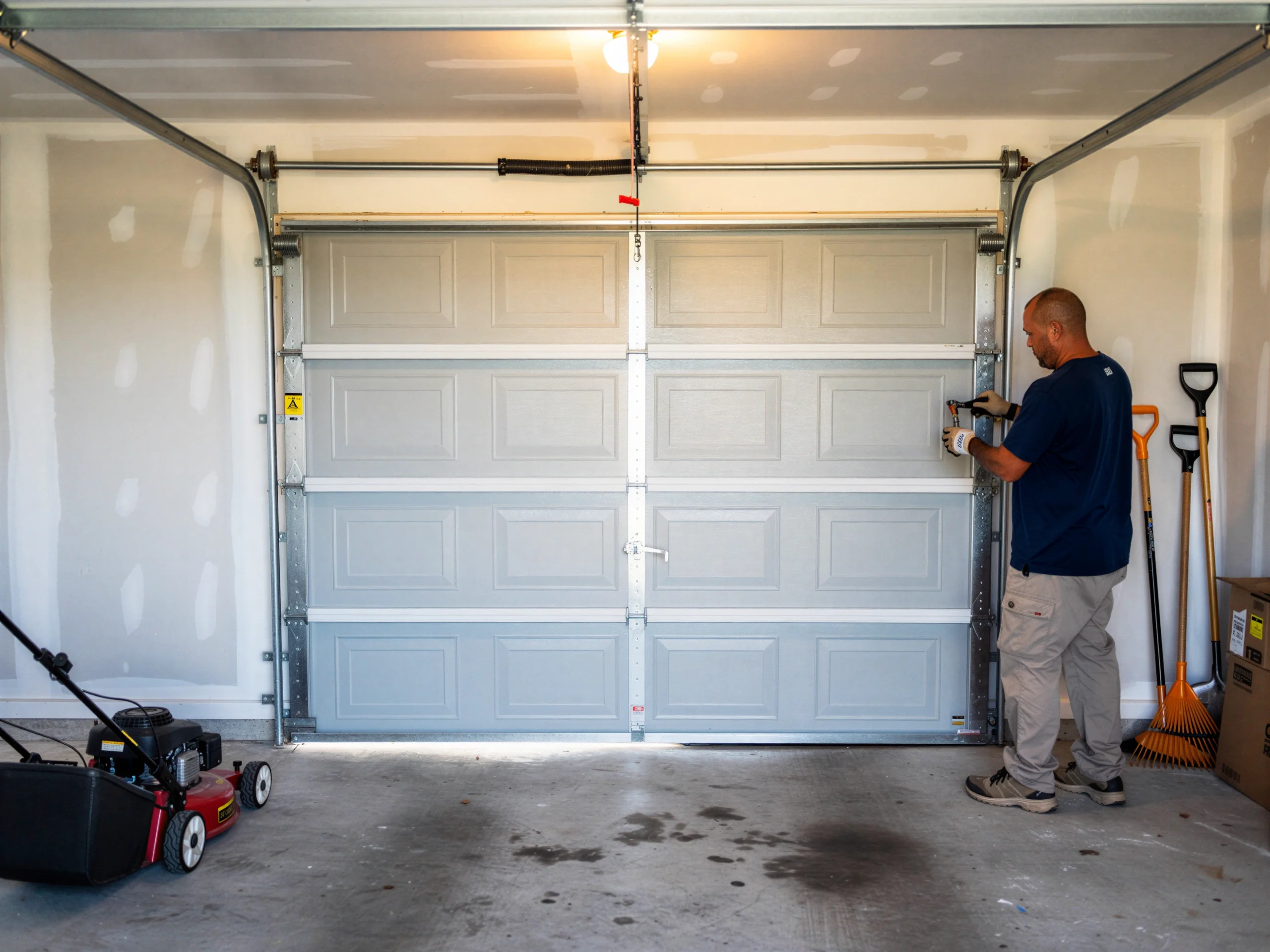
The Symptom
We run this job out of Fort Collins, and Johnstown sits about 18 miles down the road. That distance shapes the call before the truck even gets there: we're not a shop around the corner, so when you book an opener install or swap, we build the visit around getting the right unit and the right parts on the truck the first time, not around a same-day drop-in.
Newer openers, different failures
The symptom side of it is pretty consistent here. Johnstown's housing stock is overwhelmingly 2000s construction, with a lot of it going up right around 2007. That means the openers failing out here aren't the ancient chain-drive units from a 1960s tract house.
Rolling-code receiver drop
They're mid-2000s belt or chain drives hitting the end of their circuit board life, with dying logic boards, worn drive gears, or rolling-code receivers that have started dropping the remote.
Hum without movement
You press the button and get a hum, a light that blinks but nothing moves, or a door that reverses halfway up for no visible reason. That's a board or gear problem, not a spring problem, and it shows up differently than it would in an older house.
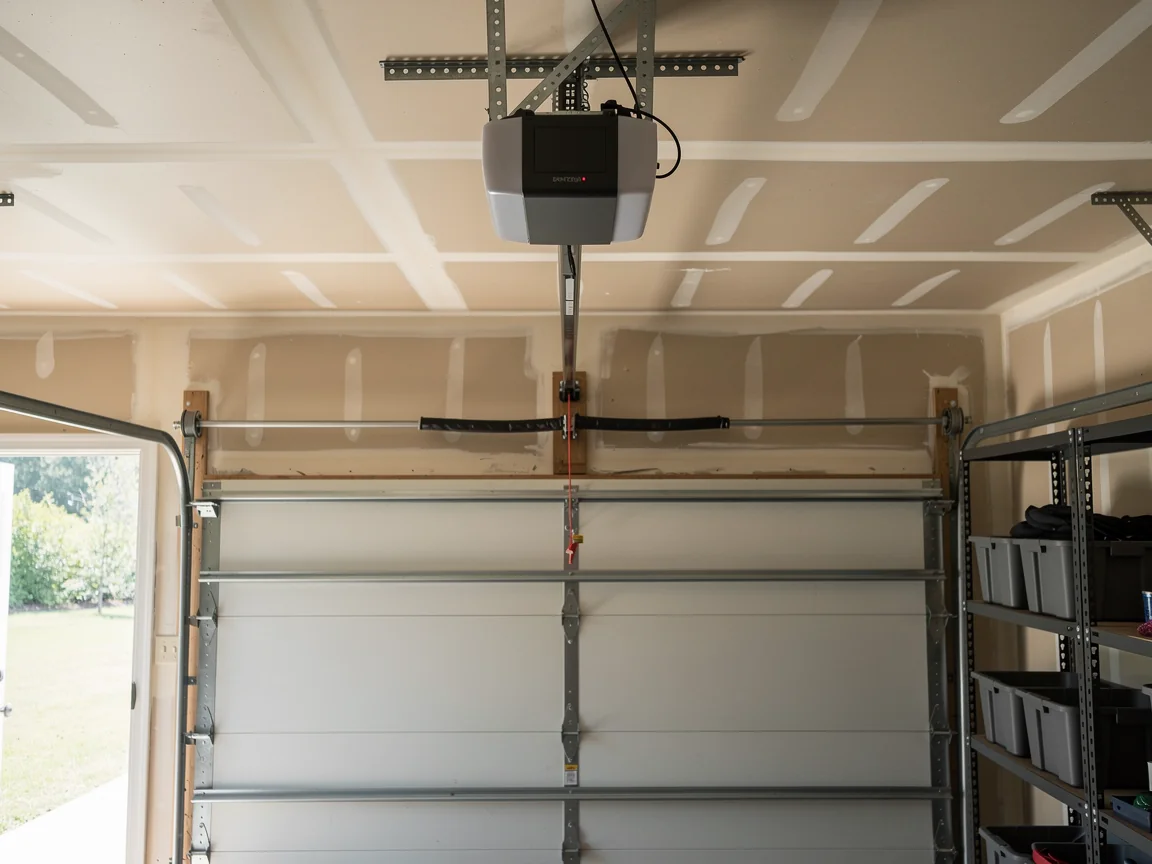
Booking a Visit
Because the shop is in Fort Collins, every Johnstown call starts with a phone conversation about what you're seeing - grinding, humming with no movement, a remote that used to work and now doesn't, or a door that only responds from the wall button. That tells us whether this is a straight opener swap or something tangled up with the track or springs, which changes what rides on the truck for that 18-mile trip out.
We don't promise a same-day window here, because we're not staged in Johnstown - we're coming from Fort Collins every time. What we can do is get the diagnosis right over the phone so the first trip out is the trip that fixes it, instead of a trip to look and a second trip to fix.
Where This Job Goes Sideways
The most common misfire on a Johnstown opener job is a mismatch between the new unit and a house built around 2007. A lot of these homes have openers original to construction, wired into a dedicated circuit and a specific wall control layout that doesn't always match what a generic replacement box expects.
Voltage and header clearance
Swap in a unit that assumes an older low-voltage setup, or one that needs a different header clearance than the original bracket allows, and you end up with an opener that's mechanically fine but fights the door or the frame.
Corroded photo-eye sensors
The other place it goes sideways is safety sensors. Homes from this era usually still have their original photo-eye sensors, and those brackets corrode or shift slightly over 15-plus years.
Inherited reversing problems
Bolt a new opener head onto old sensor wiring without checking alignment and the door will reverse on its own, which looks like a brand-new opener problem when it's actually an inherited one.
What the Fix Involves
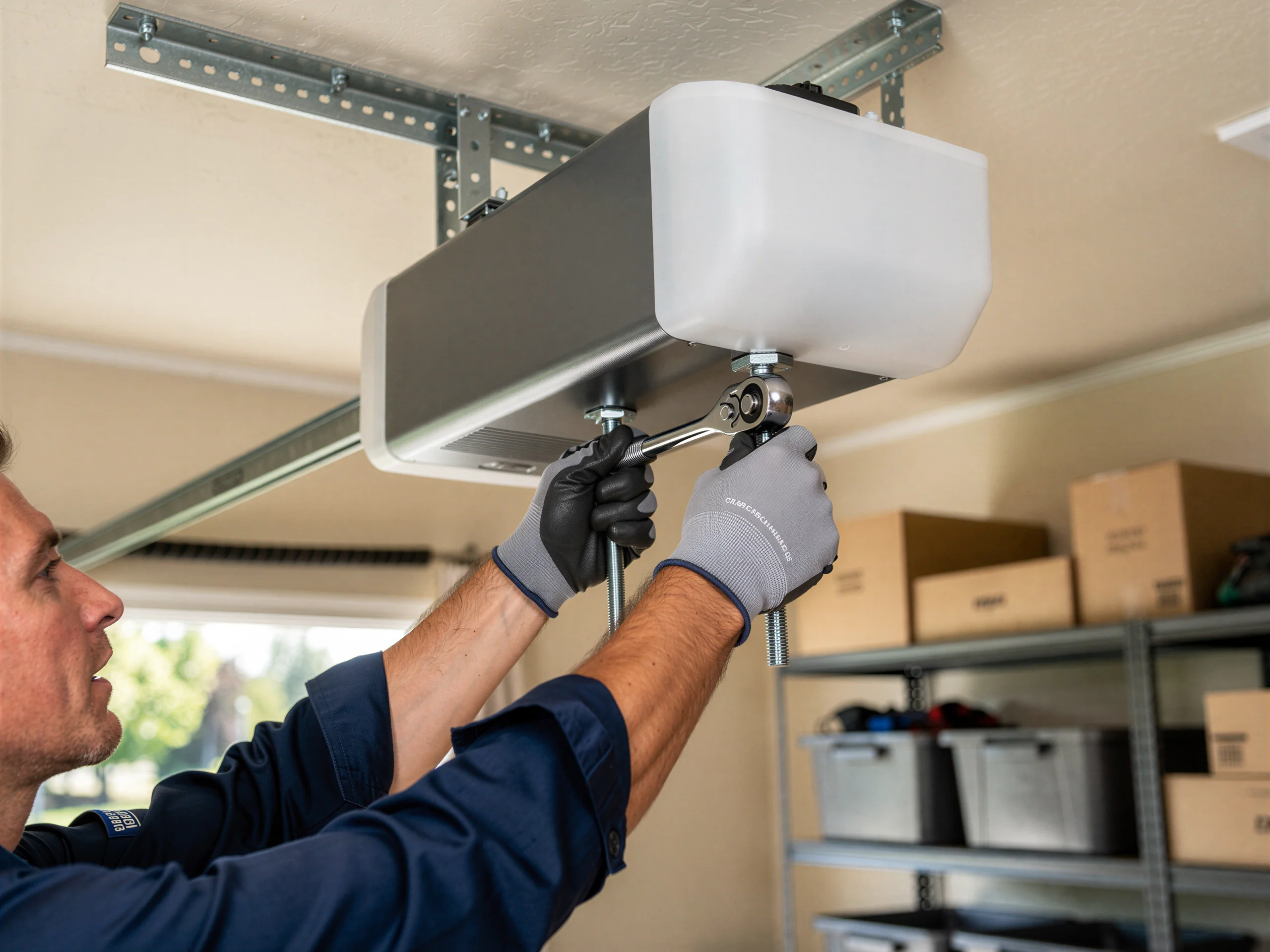
A straight install means mounting the head unit, running new wiring to a dedicated circuit if the old one's undersized, setting travel limits, and pairing remotes and keypads to the new receiver.
Resetting sensor brackets
On a house like the typical Johnstown build, that also means checking the existing safety sensor brackets rather than assuming they're square - if they're not, we reset them rather than bolt a new system onto a bad foundation.
Physical object reverse test
We test the auto-reverse function with a physical object under the door, not just a visual check, because that's the part that matters if someone's standing in the way.
Force matched to panel weight
We also set the force settings to match the actual weight of your door panel, which for a lot of these 2000s-era double doors is heavier than the factory default opener assumes. Skipping that step is how you get an opener that works for a month and then starts slamming or stalling.
Parts We Carry
We carry a stock of current-production belt and chain-drive openers, standard remotes, keypads, and photo-eye sensor kits on the truck. What we don't keep in stock are obsolete logic boards for openers older than roughly 15 years - those parts have mostly gone out of production, and when a board like that fails, replacement of the whole unit is usually the real fix rather than a repair.
That's an honest limitation, not a sales pitch: if your opener is original to a 2007 build and the board's dead, we'll tell you straight that a new head unit makes more sense than hunting down a discontinued part. For anything we don't carry on the truck, we'll tell you that on the phone before the drive out, not after.
How Long You Are Without the Door
A standard opener swap, once we're on site, typically runs under half a day including testing and remote programming. The variable in Johnstown is less the install itself and more getting the visit scheduled, since the crew is coming from Fort Collins rather than sitting idle nearby. If the sensor brackets need realignment or the circuit needs new wiring, add time for that - it's not a guess, it's just what the job in front of us needs.
You can operate the door manually with the release cord while you wait on parts or scheduling, so you're not locked out of the garage. It's slower and it's manual, but it works until the new unit's in.
Talk to a local pro
Garage door service in Fort Collins?
Same-day service with honest, upfront quotes.