What the Fix Involves
Laporte's median home was built around 1976, which puts a lot of doors here a full generation ahead of the newer stock we see elsewhere in the service area, where most houses went up in the 2000s.
Maintaining extension systems
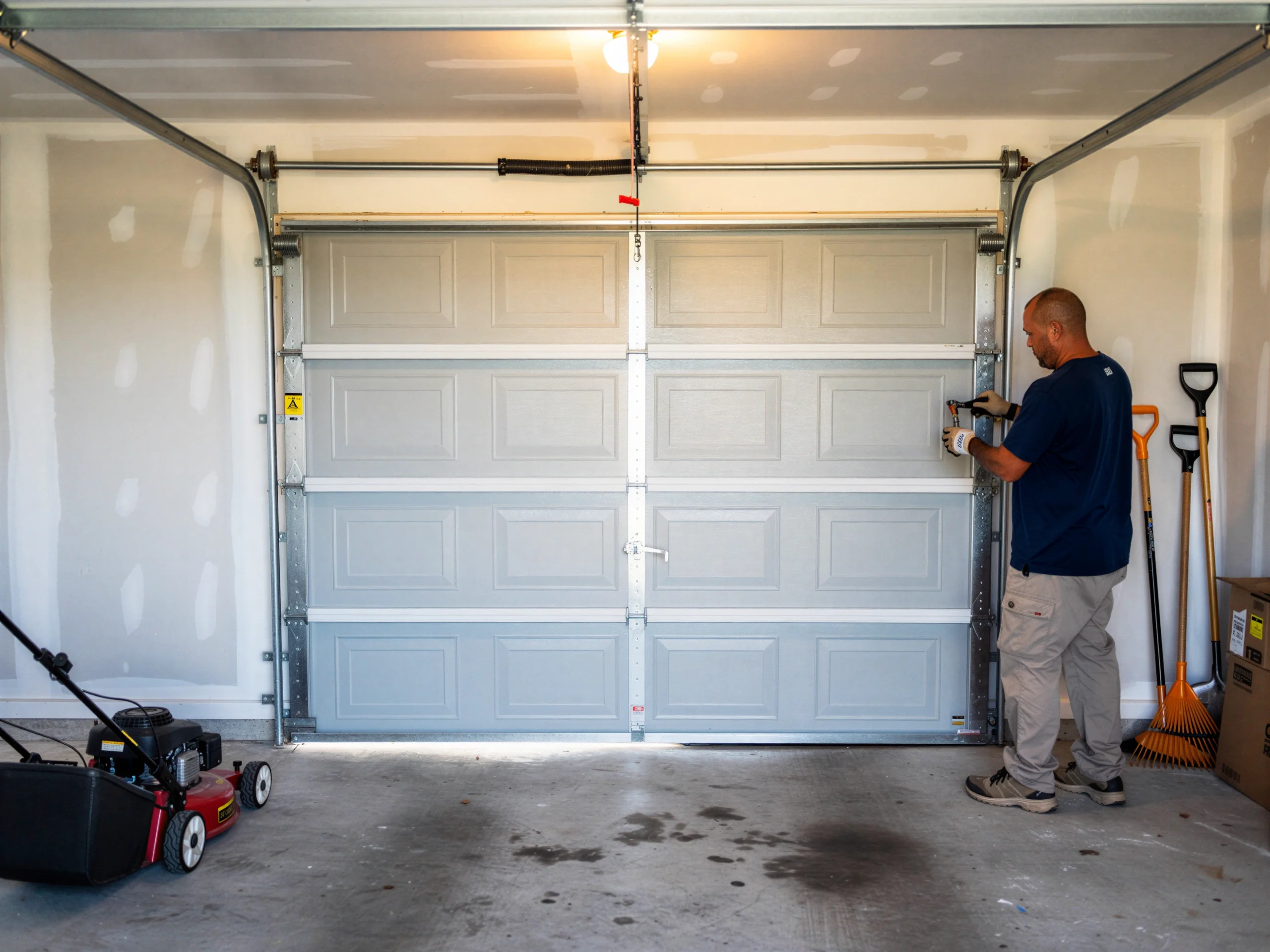
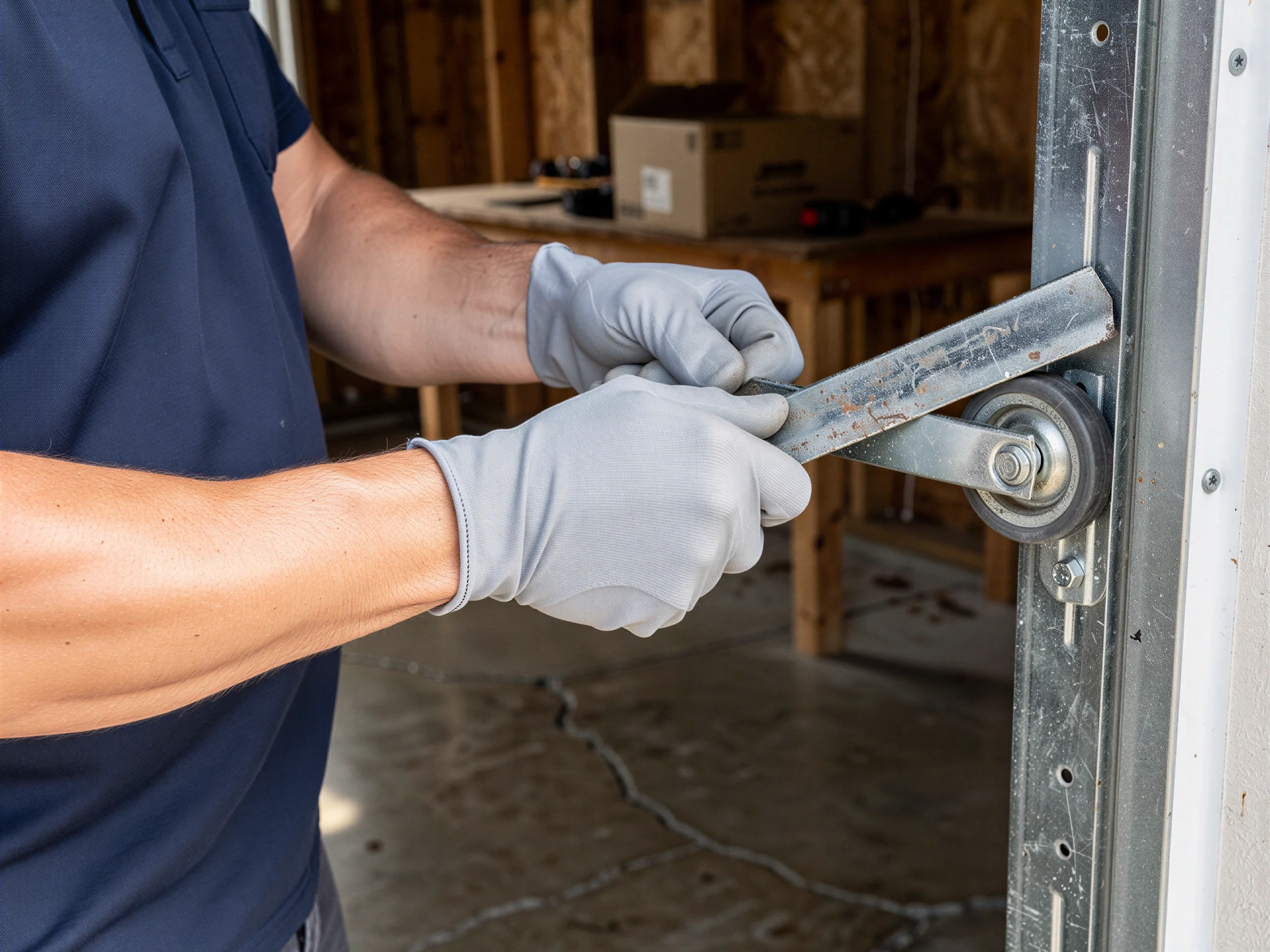
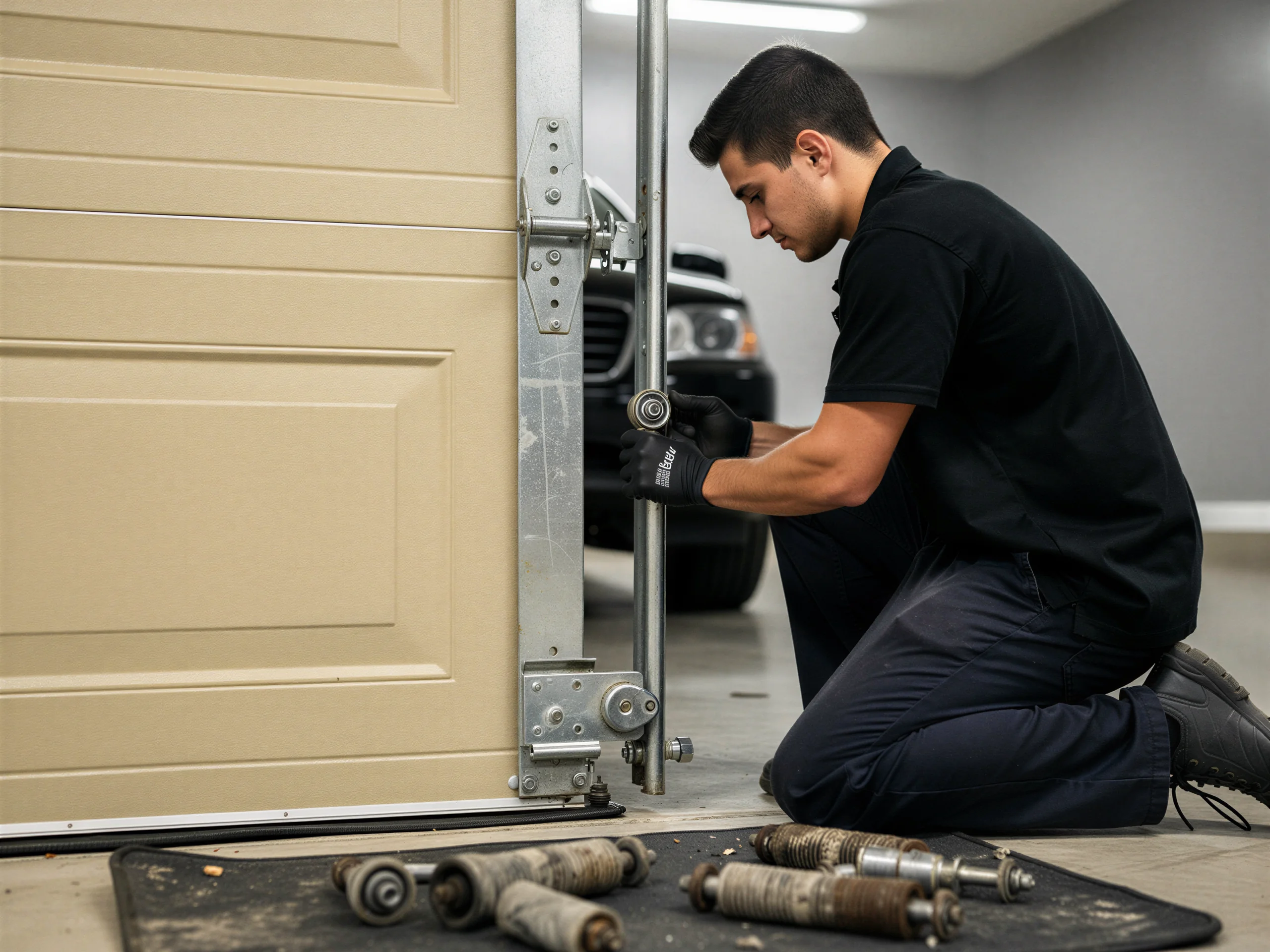
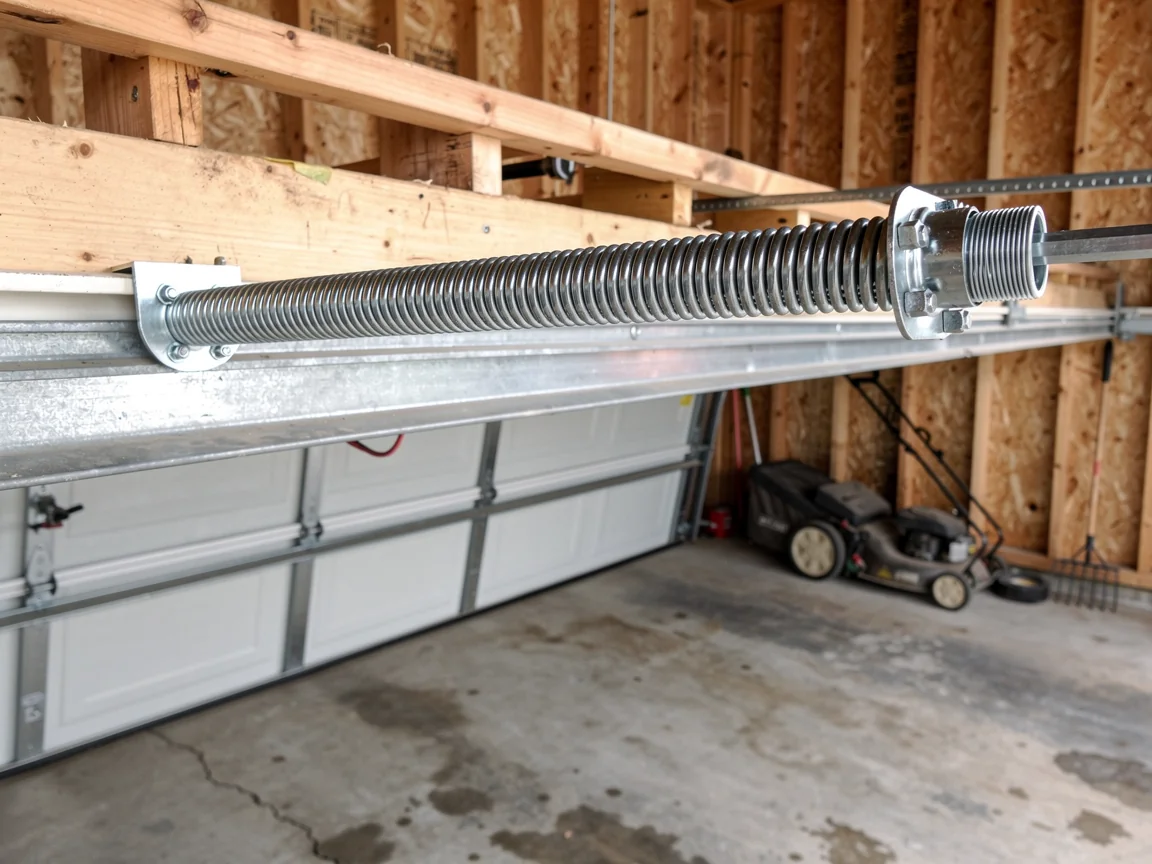
That gap matters. A door from the mid-70s was almost certainly built with an extension spring system mounted along the horizontal track, not the torsion spring sitting over the header that's standard on newer installs. Maintenance on these older setups means checking extension spring containment cables (if they were ever added at all), lubricating a different roller and hinge pattern, and inspecting lift cable fraying points that newer torsion doors don't have in the same spots.
Opener swapped, door original
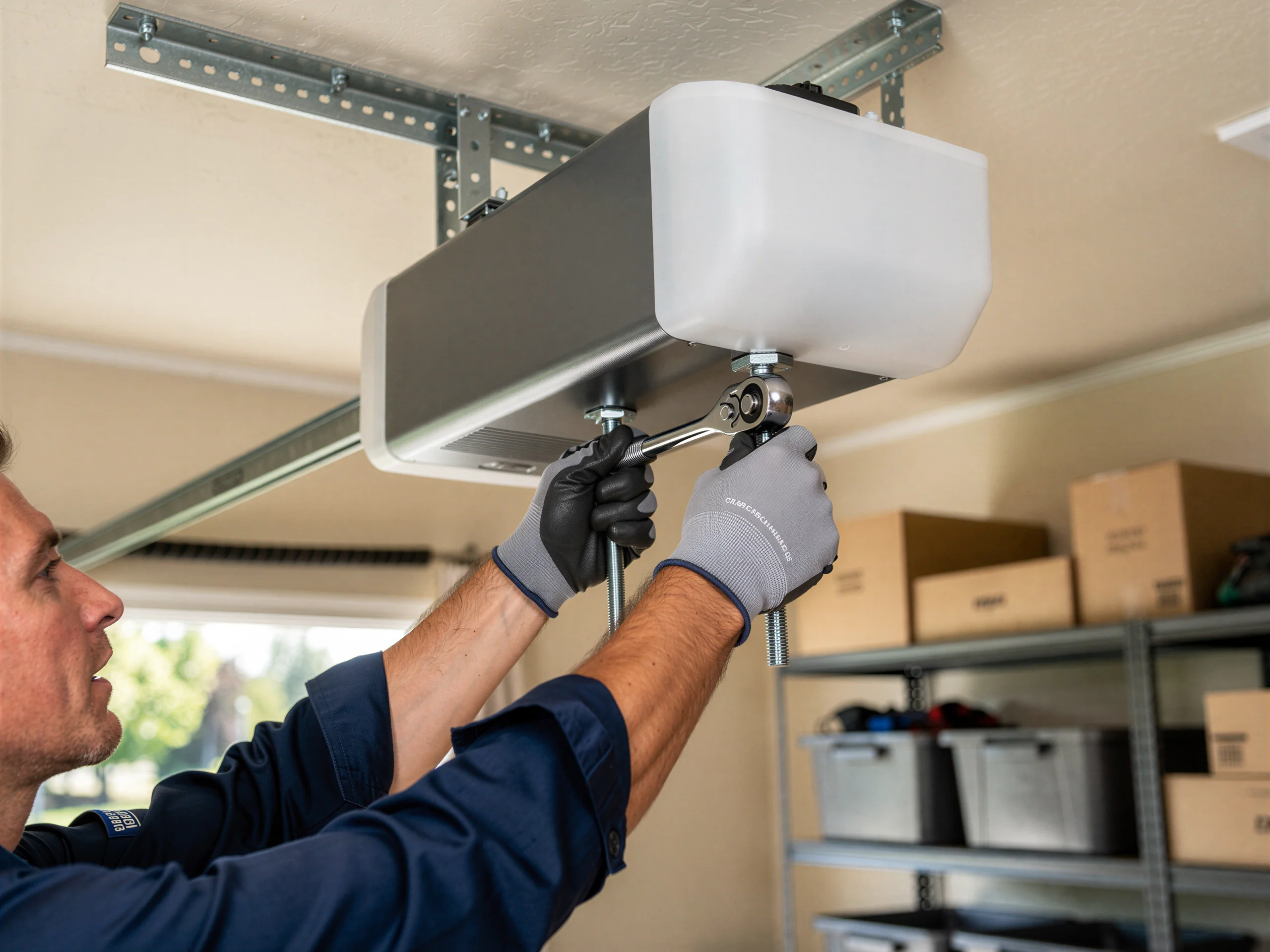
We also check the opener separately from the door hardware. A lot of these older doors have had the opener swapped out once or twice over the decades while the door and track stayed original, so you can end up with a 2010s opener bolted to 1976 rail geometry.
Force and travel recheck
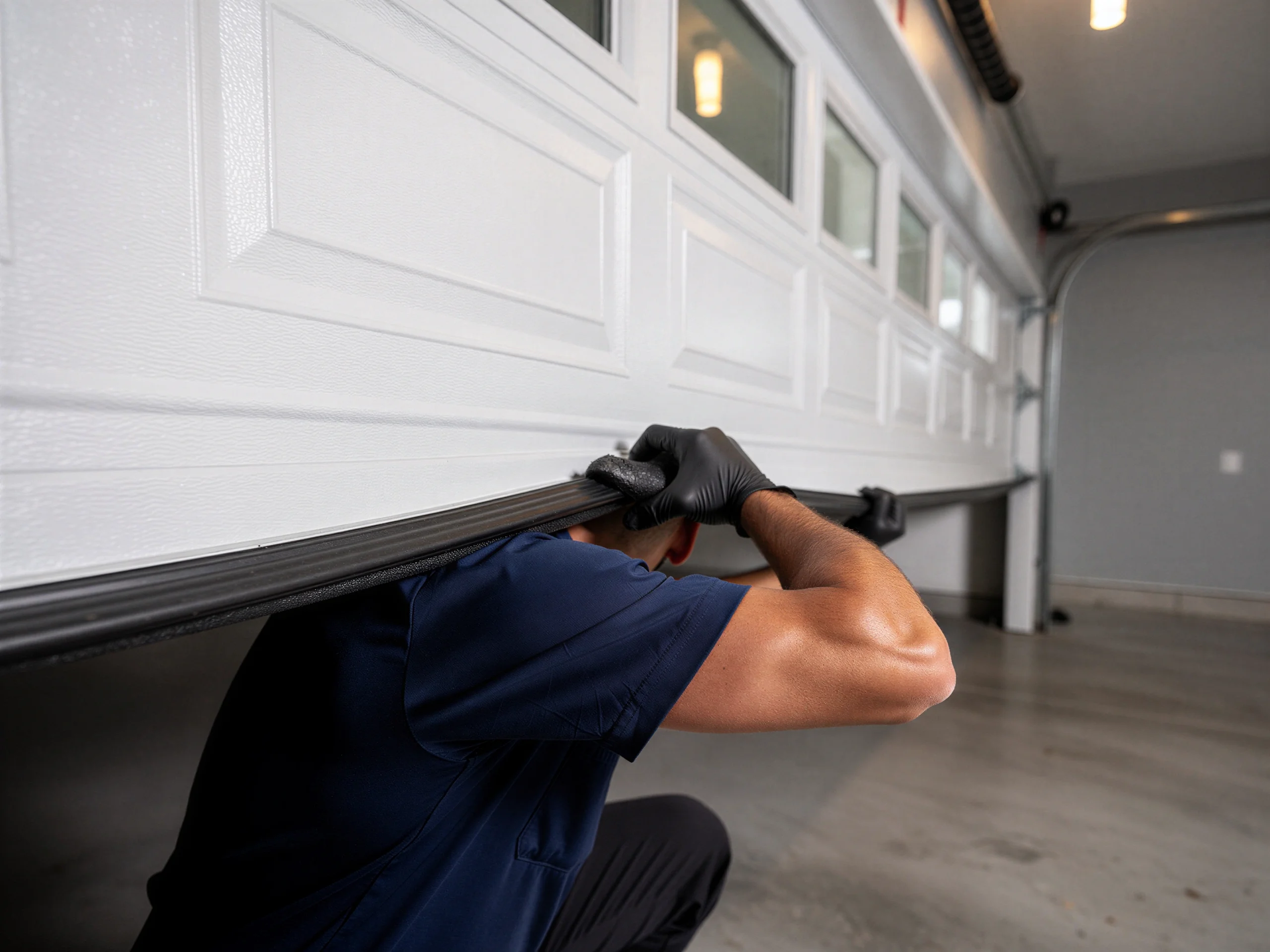
That mismatch is worth flagging during a maintenance visit even when nothing is actively broken, because it changes how much force the opener should be set to and how often the travel limits need rechecking. We're coming from Fort Collins, about 7 miles out, so we bundle the inspection, lubrication, and hardware check into one visit rather than multiple trips.
Why This Fails Locally
The service area overall sits in a severe cold climate band, and that doesn't spare older hardware just because it's lasted this long. Extension springs on a 1976-era door lose tension differently than torsion springs do - they stretch and sag rather than fatigue at a predictable cycle count, which makes them harder to judge by eye. In hard winter cold, the steel contracts, lift cables that were already fraying from age get stiffer and more likely to snap on a cold morning rather than fail gradually.
With roughly 1,053 households in Laporte, most sitting at a median income around $67,697, we also see more owners stretching a repair further than they would in a newer, higher-turnover area - patching a worn roller or a loose hinge instead of swapping the part, which is reasonable, but it means the maintenance visit has to look harder at wear that's been deferred a few seasons longer than average.
Parts We Carry
Because so much of Laporte's housing predates the 2000s construction boom that defines the rest of the service area, we carry extension spring hardware and the older-style roller and hinge sets that fit 70s-era tracks, not just the torsion spring stock that covers newer builds.
Extension-sized lift cables
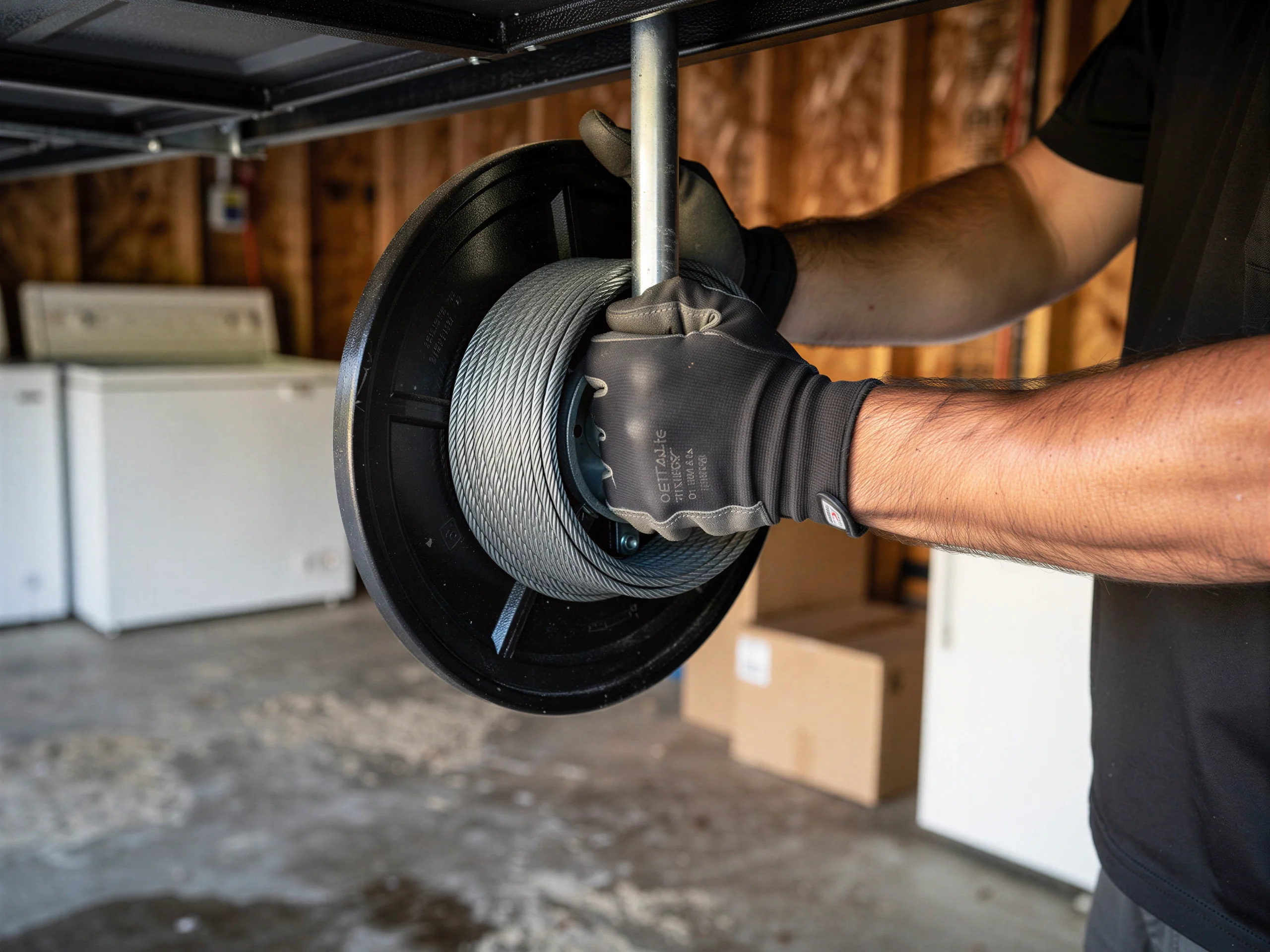
We stock standard galvanized lift cables sized for extension systems, replacement spring safety cables for doors that never had them installed originally, and the hinge and roller sets matched to older track spacing.
Conversion kits take time
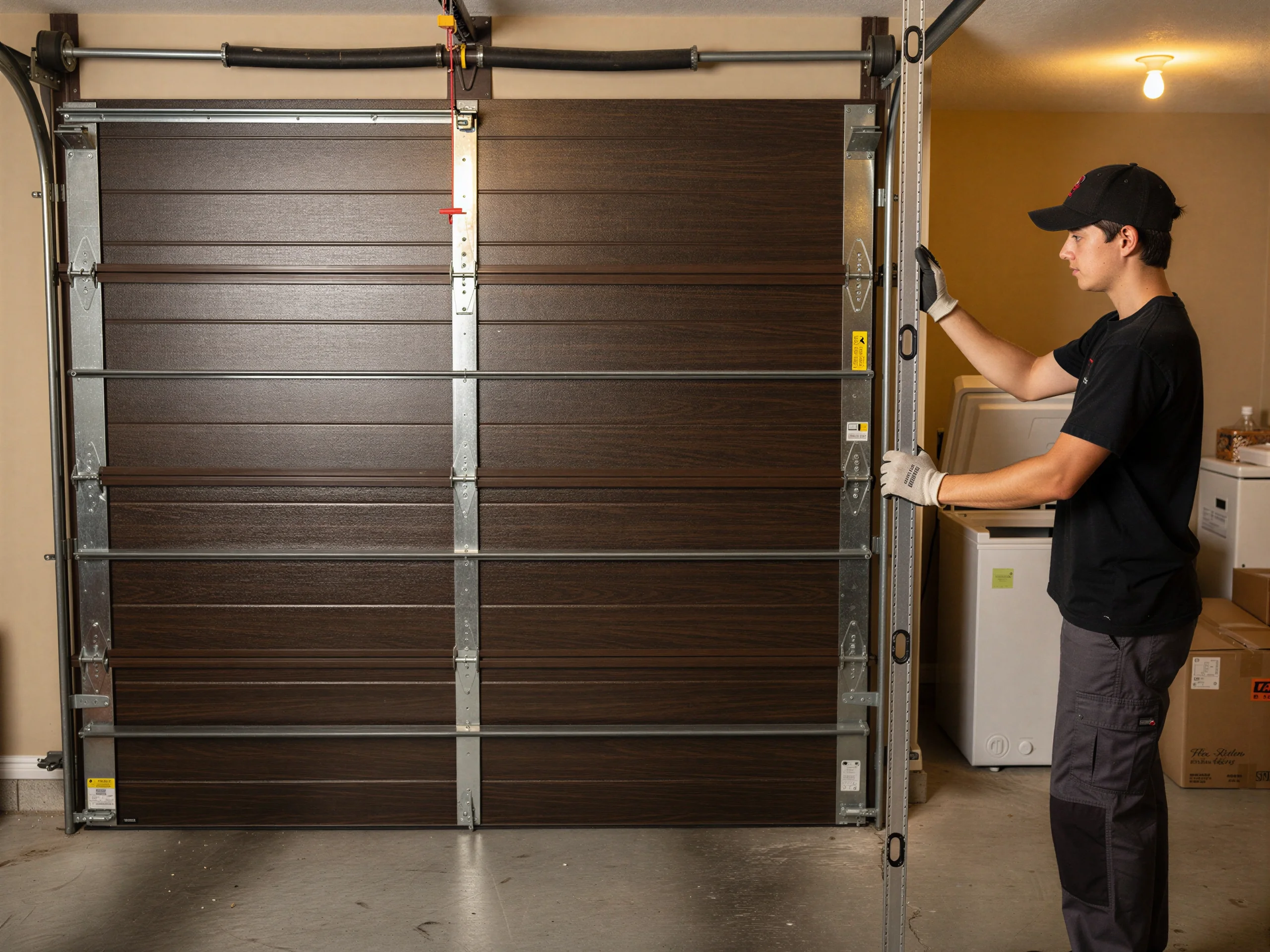
One honest limit: if your door needs a torsion conversion kit - swapping the whole system from extension to torsion, which some Laporte homeowners ask for to modernize an old door - that's a special-order part.
Width-specific hardware waits
We don't keep torsion conversion hardware on the truck for every door width, so that job usually needs a short lead time to get the right kit in before we come back out.
Booking a Visit
We service Laporte from our Fort Collins base, about 7 miles away, so a maintenance visit here gets scheduled as a dedicated trip rather than squeezed between calls closer to the shop. Tell us the rough age of your door and whether it's extension or torsion spring (look up - if the spring sits horizontal above the track, it's extension; if it's a single spring over the header, it's torsion) and we'll bring the right stock on the truck the first time.
For the full list of services we run out of Fort Collins, see the maintenance page for Fort Collins. For more on how we cover Laporte specifically, see our Laporte area page.
Talk to a local pro
Garage door service in Fort Collins?
Same-day service with honest, upfront quotes.